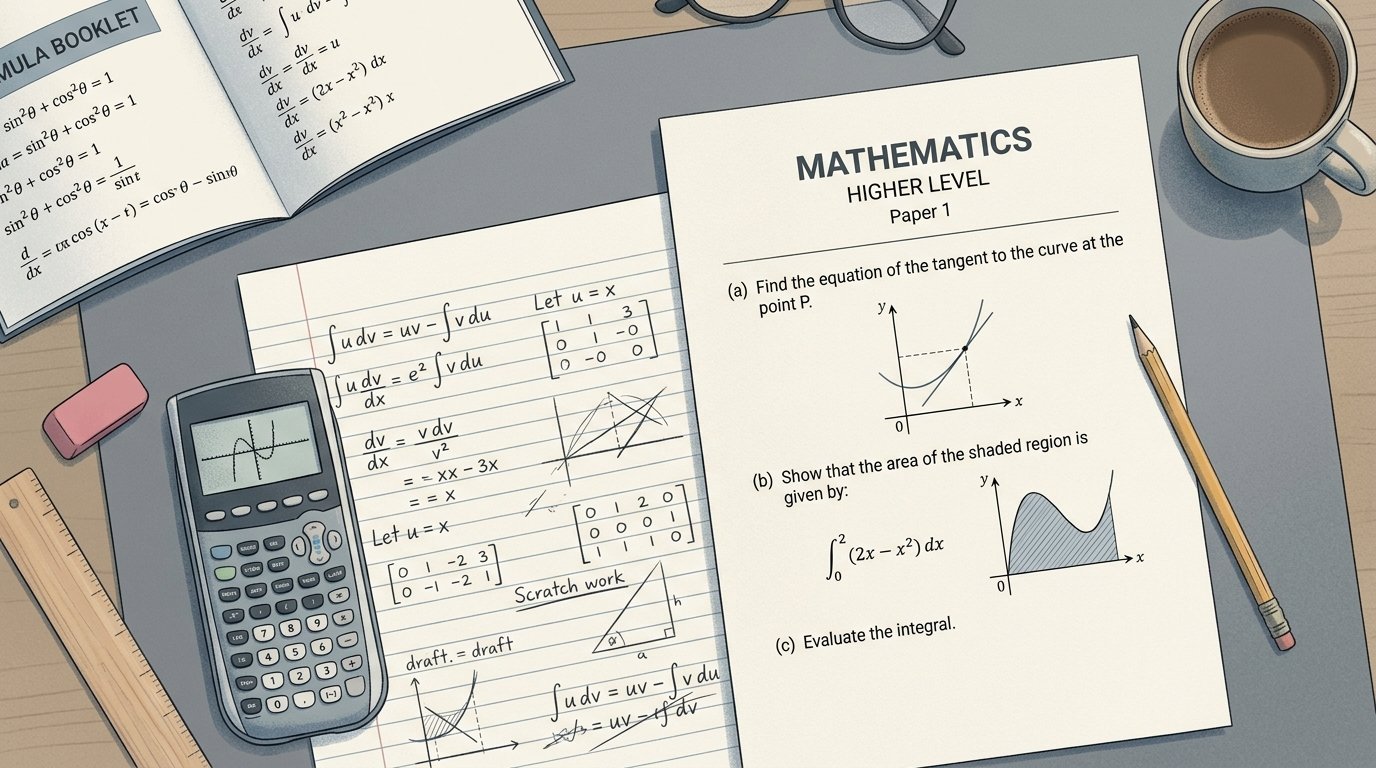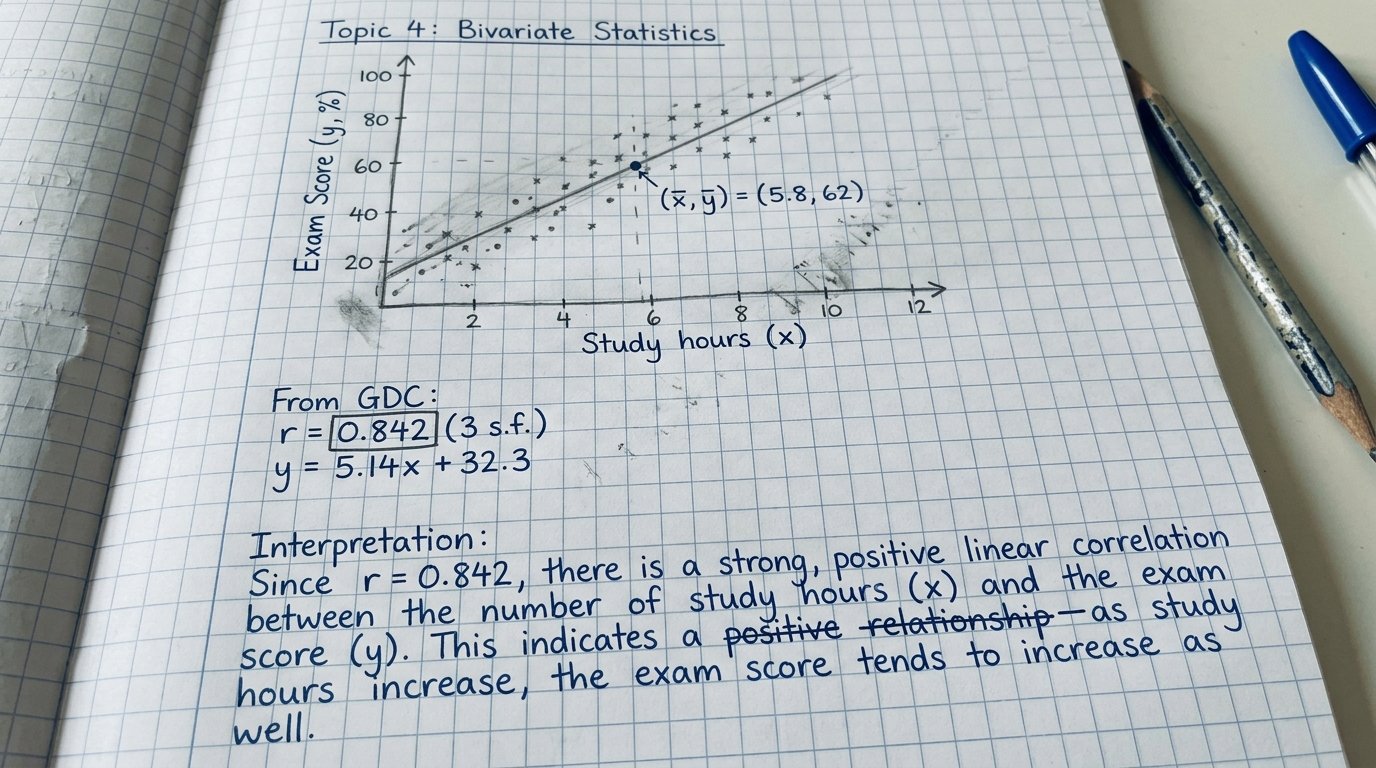
Understanding sequences and series in IB Maths is essential for success in both SL and HL. This topic builds on algebra and connects to functions and calculus, making it a key part of the IB Maths syllabus.
Whether you’re just starting or looking to improve your performance, mastering sequences and series will help you solve problems more efficiently, especially in competitive academic environments like Denmark and Switzerland.
Table of Contents
What Are Sequences and Series in IB Maths?
A sequence is an ordered list of numbers following a specific pattern, while a series is the sum of those numbers.
According to the International Baccalaureate Organization, IB Maths students must:
- Recognize patterns in sequences
- Use formulas to find terms
- Calculate sums of series
Types of Sequences in IB Maths
1. Arithmetic Sequences
In an arithmetic sequence, each term increases or decreases by a constant value.
Example:
2, 5, 8, 11, …
Key formula:
- nth term depends on first term and common difference
2. Geometric Sequences
In a geometric sequence, each term is multiplied by a constant ratio.
Example:
3, 6, 12, 24, …
Key formula:
- nth term depends on first term and common ratio
Understanding Series
A series is the sum of terms in a sequence.
Types:
- Arithmetic series
- Geometric series
You need to know how to calculate
- Finite sums
- Infinite sums (HL level)
Why Sequences and Series Are Important
This topic appears in:
- Algebra
- Functions
- Financial mathematics
It is also useful in real-world applications such as growth models and investments.
Key Formulas to Remember

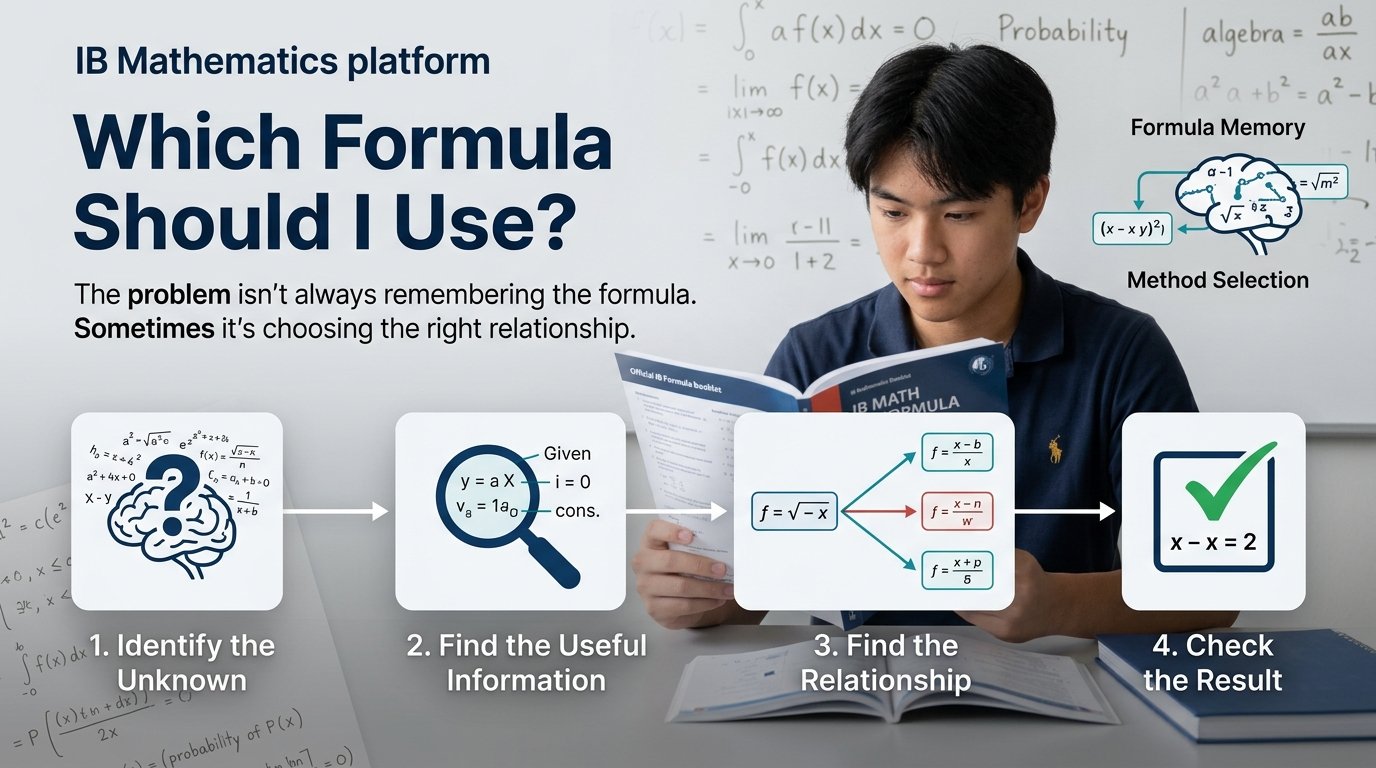
To master sequences and series in IB Maths, you need to remember essential formulas for
- nth term
- Sum of arithmetic series
- Sum of geometric series
Understanding when to use each formula is just as important as memorizing them.
How to Study Sequences and Series Effectively
1. Understand Patterns Clearly
Practice identifying patterns in sequences quickly.
2. Learn the Formulas
Memorize key formulas and understand how they work.
3. Practice Different Question Types
Solve:
- Finding nth term
- Calculating sums
- Real-world applications
Using Past Papers for Practice
Past papers are essential for mastering this topic.
Focus on:
- Arithmetic sequence questions
- Geometric series problems
- Application-based questions
Practice under timed conditions to improve performance.
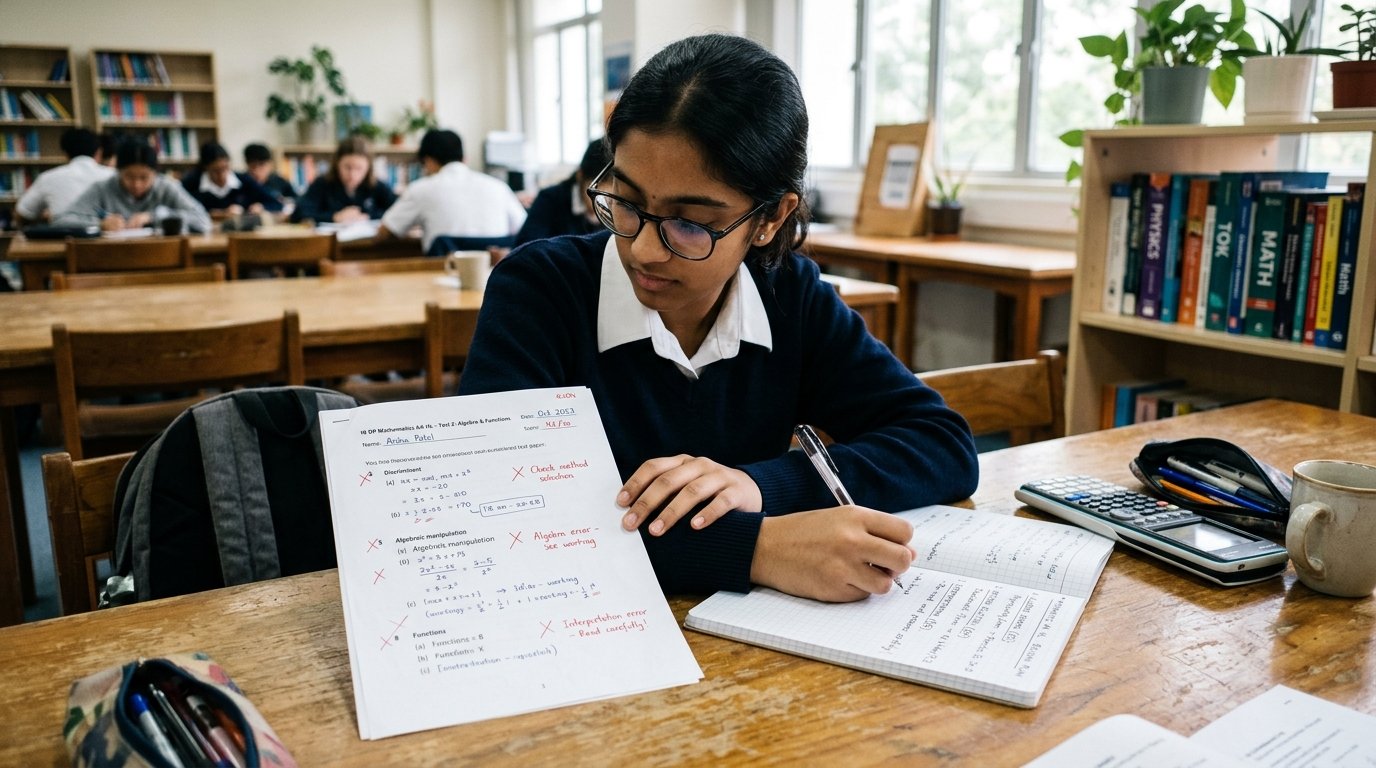
Common Mistakes to Avoid
Avoid these errors:
- ❌ Confusing arithmetic and geometric sequences
- ❌ Using incorrect formulas
- ❌ Calculation mistakes
- ❌ Not checking answers
Being aware of these mistakes improves accuracy.
Tips to Improve Quickly
Simple strategy:
- Practice regularly
- Focus on weak areas
- Review mistakes
- Use past papers
Consistency leads to better results.
Real-World Applications
Sequences and series are used in:
- Finance (interest and investments)
- Population growth models
- Scientific calculations
Understanding applications makes learning more meaningful.
Frequently Asked Questions
Are sequences and series important in IB Maths?
Yes, they are a key topic and appear in many exam questions.
Is this topic included in both SL and HL?
Yes, with more advanced concepts in HL.
How can I improve in sequences and series?
Practice regularly, learn formulas, and solve exam-style questions.
Final Thoughts
Mastering sequences and series in IB Maths is essential for improving your overall performance. By understanding patterns, learning formulas, and practicing consistently, you can solve problems more efficiently.
If you want structured guidance and expert-level preparation:
Start here:
https://mathzem.com/membership-pricing/