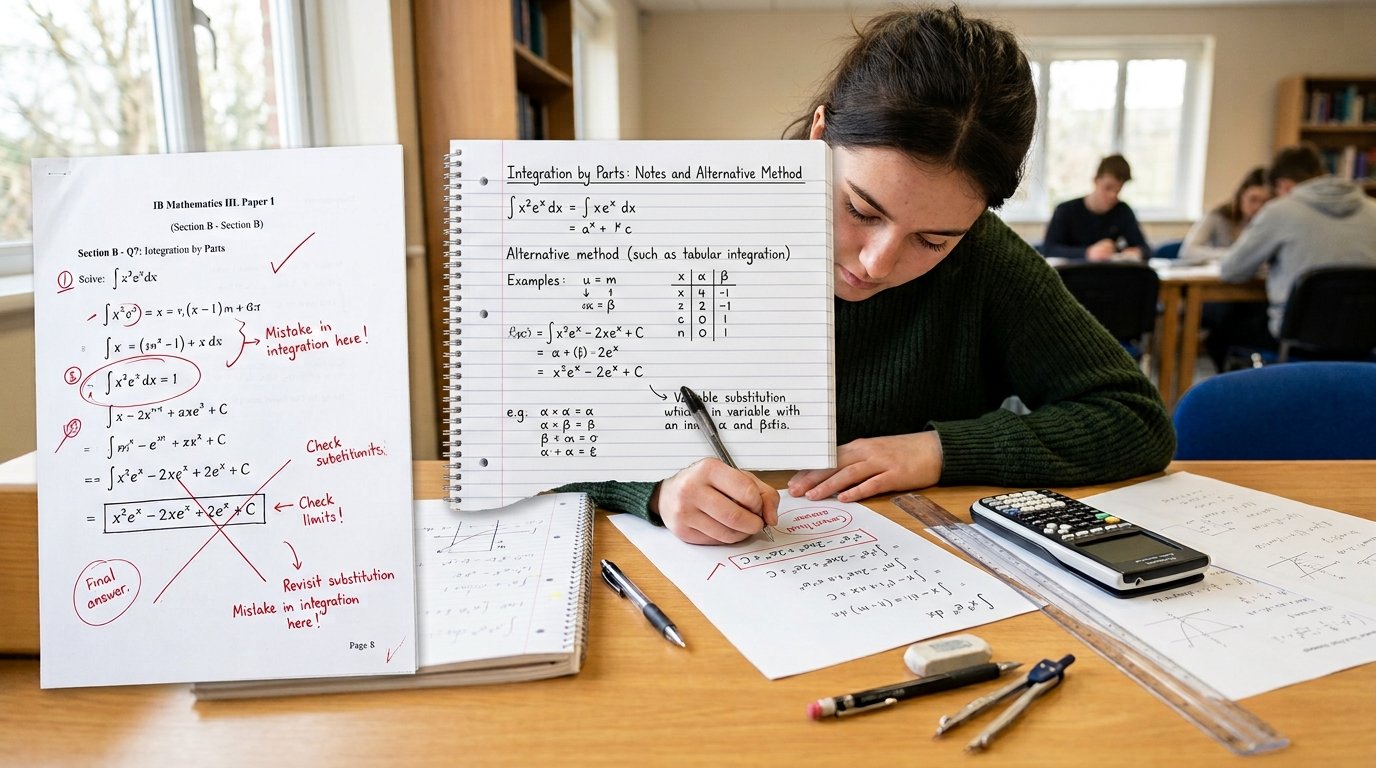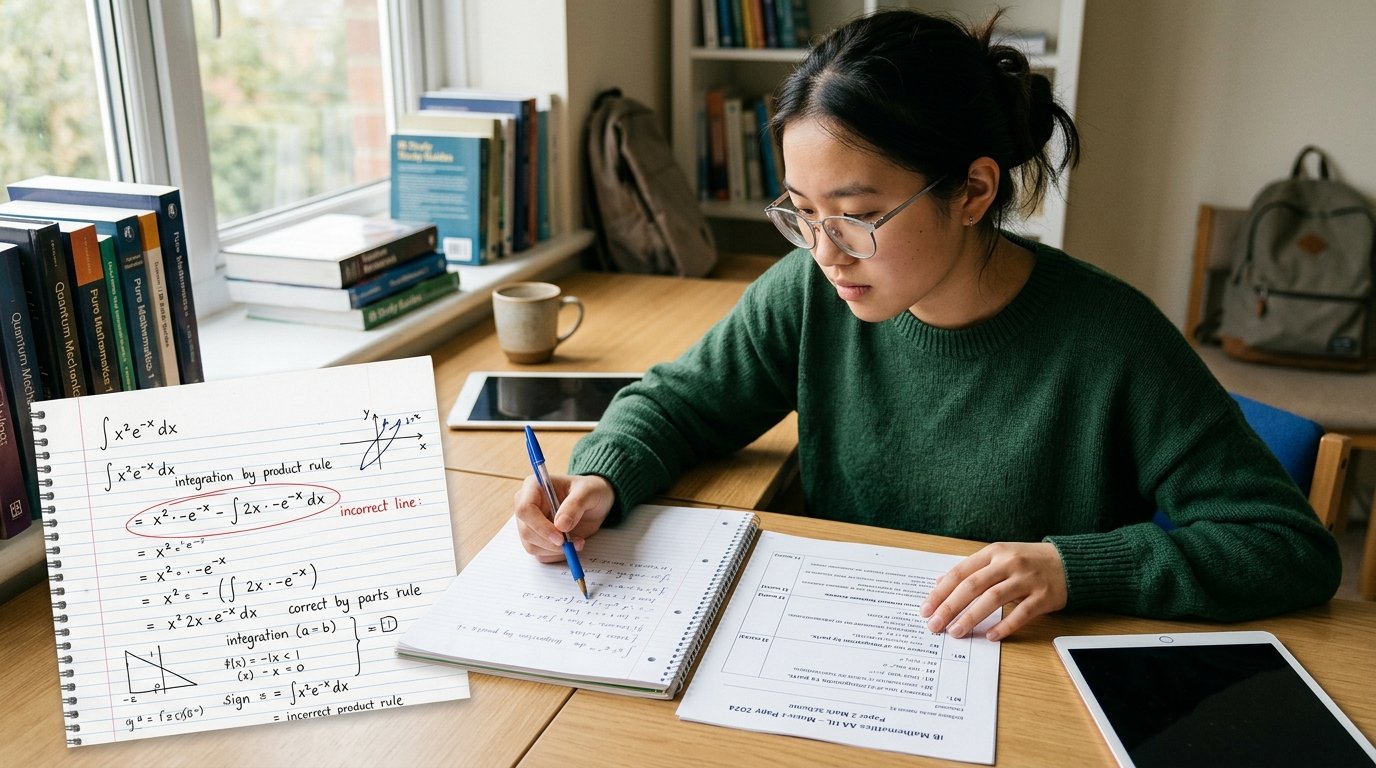
The IGCSE maths formula sheet is a powerful exam tool, but success depends on understanding how to apply formulas correctly. By mastering key formulas and practicing their use in real exam questions, students can significantly improve their performance.
Table of Contents
Why the IGCSE Maths Formula Sheet Matters

The IGCSE maths formula sheet is designed to support students during exams by providing essential formulas. However, many students misunderstand its purpose. It is not a shortcut to avoid learning but a tool to enhance problem-solving efficiency.
In both IGCSE maths and GCSE maths, understanding formulas is more important than simply having access to them. Exams are designed to test application, not memorization. Students must know when and how to use each formula effectively.
From an E.E.A.T. perspective, mastering the IGCSE maths formula sheet demonstrates expertise and practical understanding. Students who can confidently apply formulas show strong analytical skills and deeper mathematical comprehension.
Another key point is time efficiency. Having formulas available saves time, allowing students to focus on solving problems rather than recalling equations. However, this advantage only works if students are already familiar with the formulas.
Core Formula Categories Explained
The IGCSE maths formula sheet covers several important areas. Understanding these categories is essential for effective revision.
Algebra Formulas
Algebra forms a major part of IGCSE maths. Key formulas include:
- Quadratic equations
- Expansions and factorization
- Linear equations
Students must understand how to manipulate these formulas rather than just recognize them.
Geometry Formulas
Geometry formulas are among the most frequently used in exams. These include:
- Area of shapes (triangles, circles, rectangles)
- Volume of 3D shapes
- Surface area calculations
Visualization plays a crucial role in applying these formulas correctly.
Trigonometry Formulas
Trigonometry is essential, especially for higher-level students. Common formulas include:
- Sine, cosine, and tangent ratios
- Pythagoras’ theorem
Understanding when to use each ratio is key to solving problems accurately.
Statistics and Probability
These formulas help analyze data and calculate likelihoods. Students must interpret results correctly, not just compute them.
What Works: How to Use the Formula Sheet Effectively
To get the most out of the IGCSE maths formula sheet, students need a strategic approach.
Familiarize Before the Exam
Do not rely on the formula sheet for the first time during the exam. Practice using it regularly so you know where each formula is located.
Understand, Don’t Memorize
Even though formulas are provided, understanding their meaning is essential for correct application.
Practice Application
Use past papers to apply formulas in real exam scenarios. This builds confidence and accuracy.
Combine with Problem-Solving
Formulas are only tools. The real challenge is interpreting the question and choosing the correct formula.
Improve Speed
Knowing where formulas are on the sheet saves valuable time during exams.
Trade-offs and Common Mistakes
While the IGCSE maths formula sheet is helpful, it can also lead to mistakes if used incorrectly.
Over-Reliance on the Sheet
Some students depend too much on the formula sheet and neglect understanding. This can lead to confusion during complex questions.
Misapplying Formulas
Using the wrong formula is a common mistake that can cost marks.
Ignoring Units
Forgetting to include correct units in answers can result in lost marks.
Lack of Practice
Not practicing with the formula sheet before exams reduces its effectiveness.
Panic During Exams
Students unfamiliar with the sheet may waste time searching for formulas.
GCSE vs IGCSE Formula Sheets
There are differences between GCSE maths and IGCSE maths formula sheets.
In GCSE maths, students may receive a formula sheet depending on the exam board and year. However, they are often expected to memorize more formulas compared to IGCSE.
In IGCSE maths, formula sheets are more comprehensive, providing a wider range of equations. This allows students to focus more on application and problem-solving.
Understanding these differences helps students prepare more effectively for their specific exams.
Next Steps for Students
To master the IGCSE maths formula sheet, students should take consistent action.
Start by reviewing all formulas and categorizing them by topic. Practice applying each formula using past paper questions.
Create summary notes or flashcards to reinforce understanding. Regular revision ensures that formulas become second nature.
Seek guidance when needed and use reliable resources to clarify difficult concepts.
Consistency is the key to success. With regular practice and a clear strategy, students can confidently use the formula sheet to their advantage.
FAQ Section
Do I need to memorize formulas for IGCSE maths?
While many formulas are provided, understanding them is essential for correct application.
Are formula sheets the same for all exam boards?
No, formula sheets may vary slightly depending on the exam board.
Can I rely only on the formula sheet to pass?
No, success depends on understanding concepts and practicing problem-solving.
Conclusion
The IGCSE maths formula sheet is a valuable tool, but it is not a substitute for understanding. Students who take the time to learn, practice, and apply formulas effectively will gain a significant advantage in exams.
By combining conceptual knowledge with strategic use of the formula sheet, students can improve accuracy, save time, and achieve higher grades in both IGCSE maths and GCSE maths.
Join Mathzem and Master IGCSE Maths Formula Today
Ready to fully understand and apply every formula with confidence?
Unlock premium resources, guided lessons, and exam-focused practice designed to help you succeed in GCSE maths and IGCSE maths.
Start learning now:
https://mathzem.com/membership-pricing/