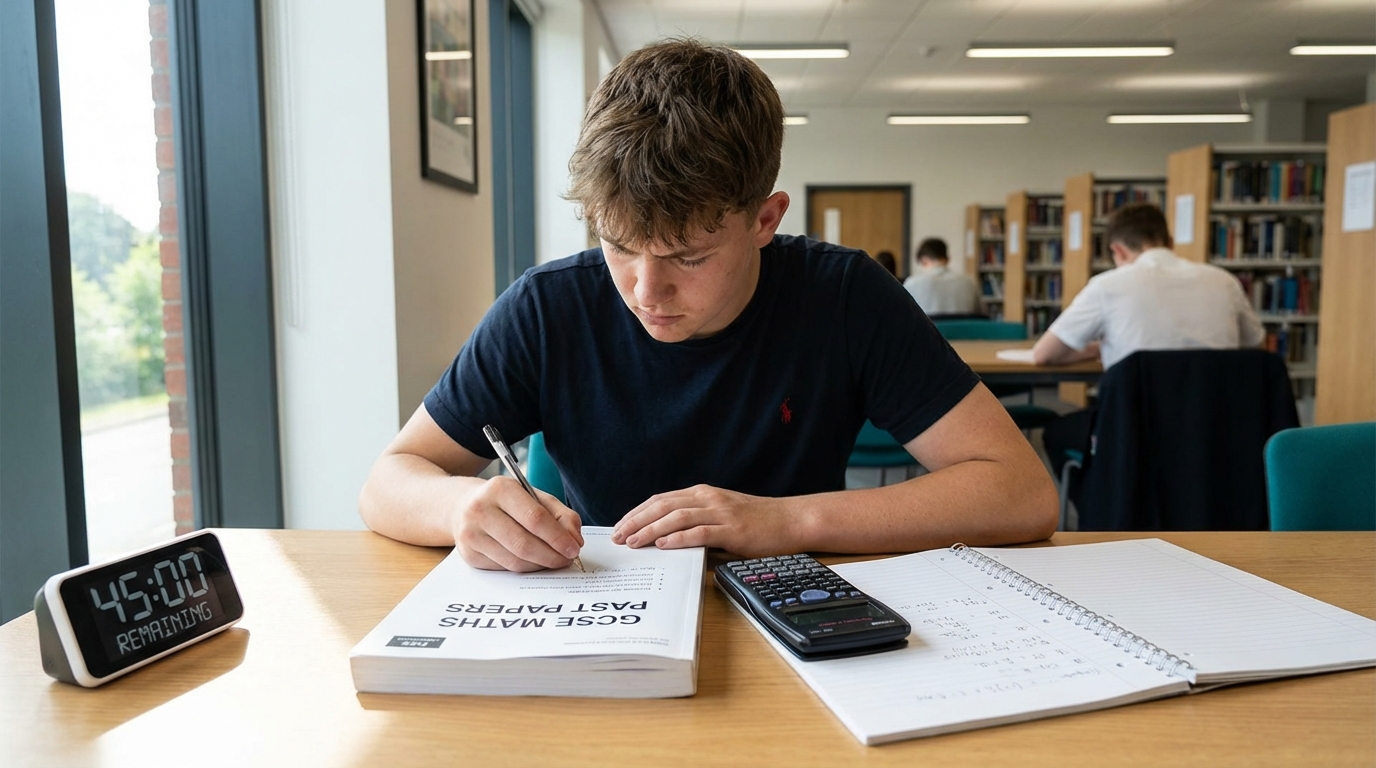
GCSE maths past papers are one of the most powerful tools for exam success. By practicing consistently, analyzing mistakes, and simulating real exam conditions, students can significantly improve their performance in both GCSE maths and IGCSE maths exams.
Table of Contents
Why GCSE Maths Past Papers Matter
GCSE maths past papers play a critical role in exam preparation. They provide real insight into how questions are structured, what topics are frequently tested, and how marks are awarded. For students aiming to excel in GCSE maths and IGCSE maths, past papers are not just helpful; they are essential.
From an E.E.A.T. perspective, using past papers demonstrates a practical and experience-based approach to learning. Instead of relying solely on theory, students actively engage with real exam scenarios. This builds confidence, reduces exam anxiety, and improves accuracy under pressure.
Another important advantage of GCSE maths past papers is familiarity. Many exam boards, including AQA and Edexcel, tend to repeat question styles. By practicing these patterns, students develop a deeper understanding of how to approach different types of problems.
Moreover, past papers help bridge the gap between knowledge and application. Knowing a formula is one thing, but applying it correctly in an exam setting is what truly matters.
What Works: Best Strategies Using Past Papers
Simply attempting GCSE maths past papers is not enough. The real benefit comes from how they are used.
Practice Under Real Exam Conditions
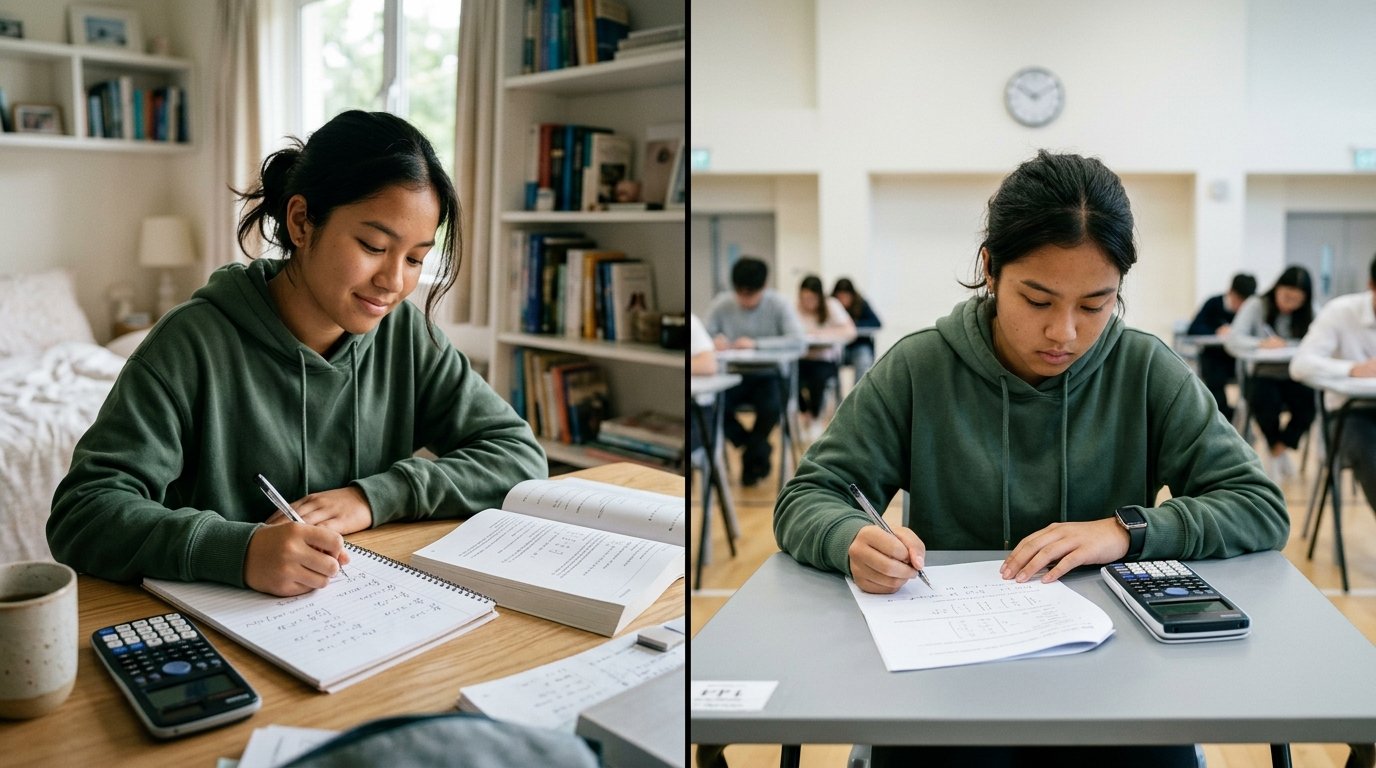
One of the most effective strategies is to simulate actual exam conditions. Set a timer, remove distractions, and complete the paper as if it were the real exam. This helps improve time management and builds exam stamina.
Analyze Mistakes Thoroughly
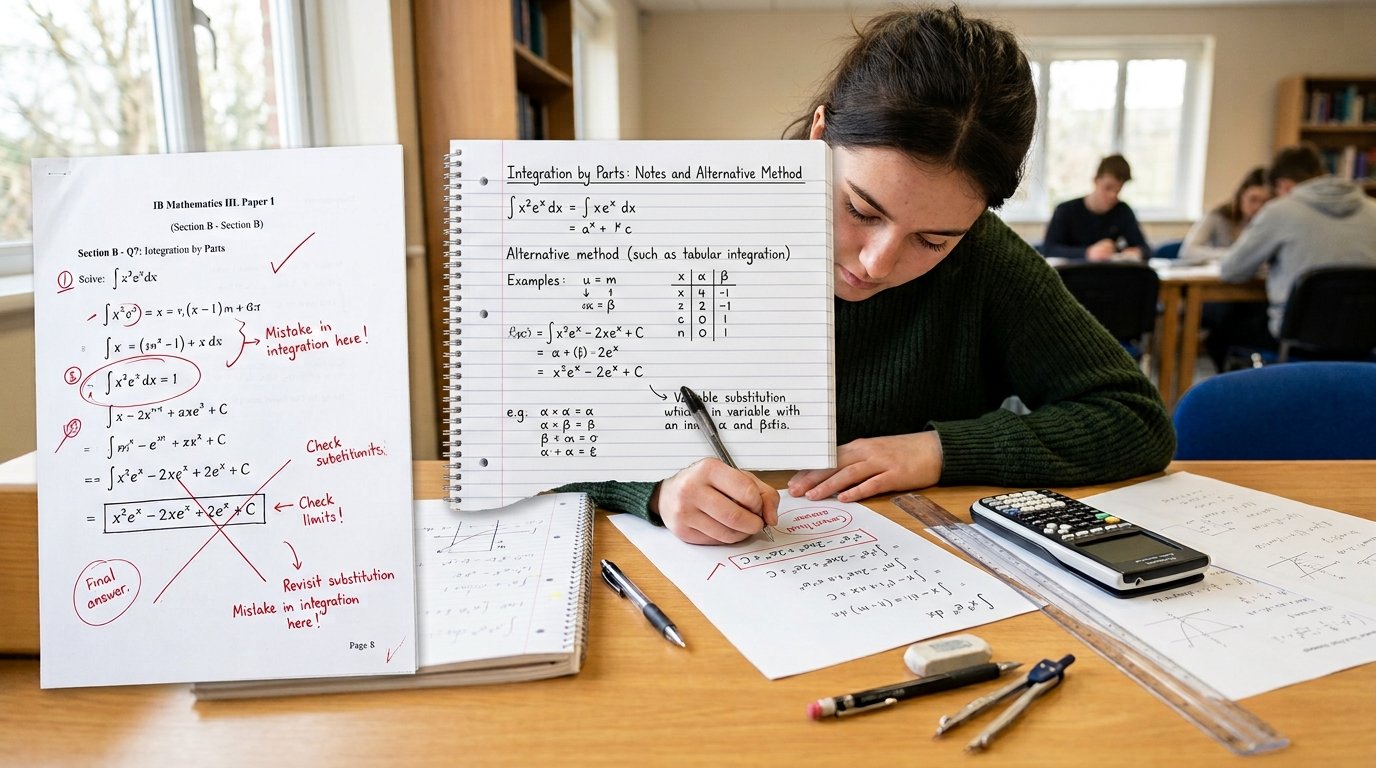
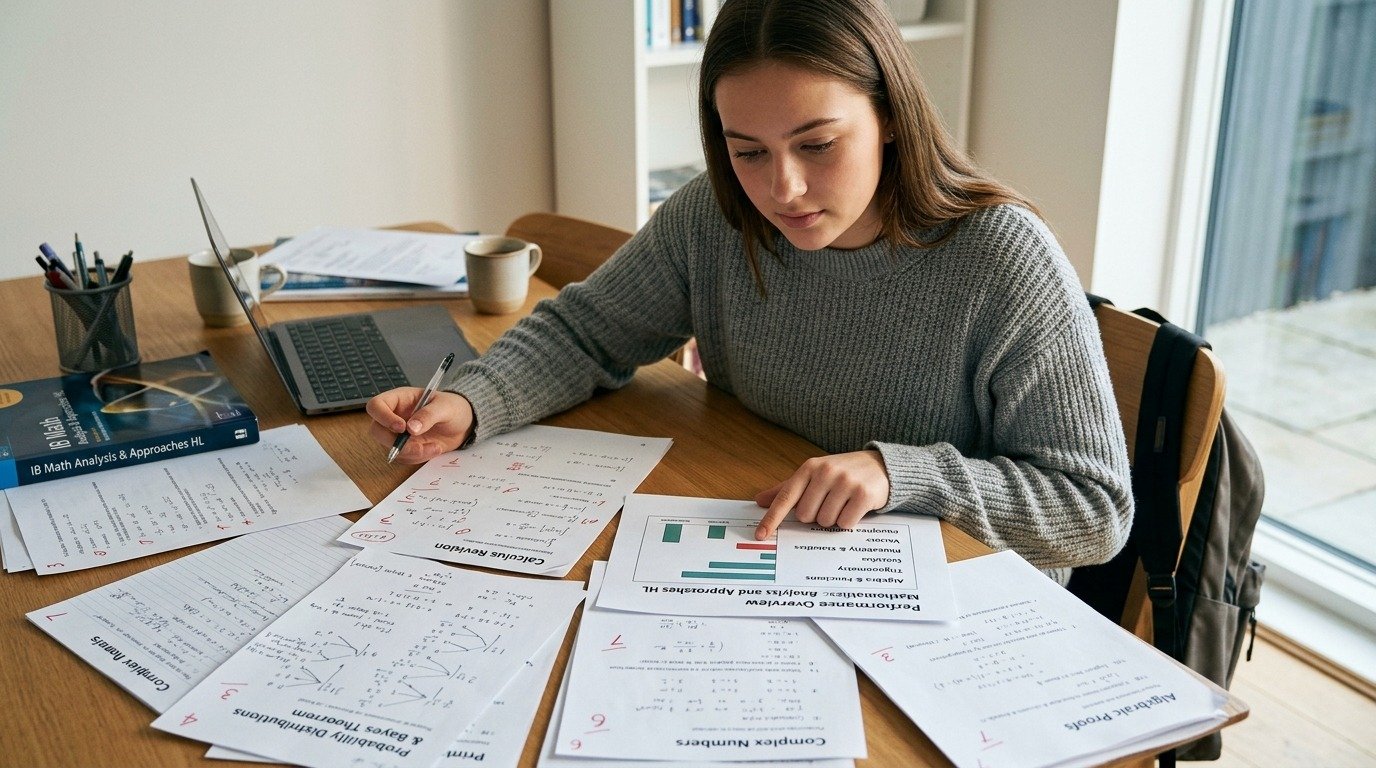
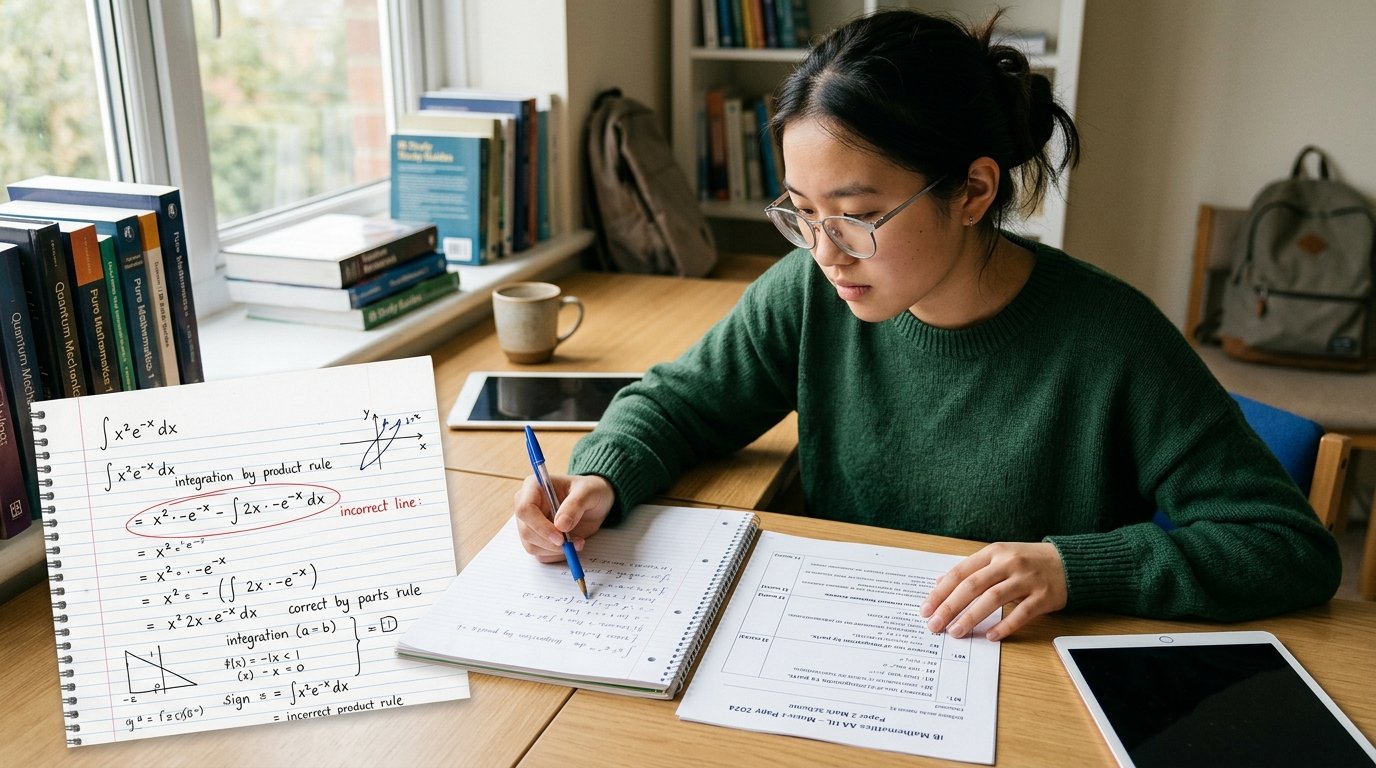
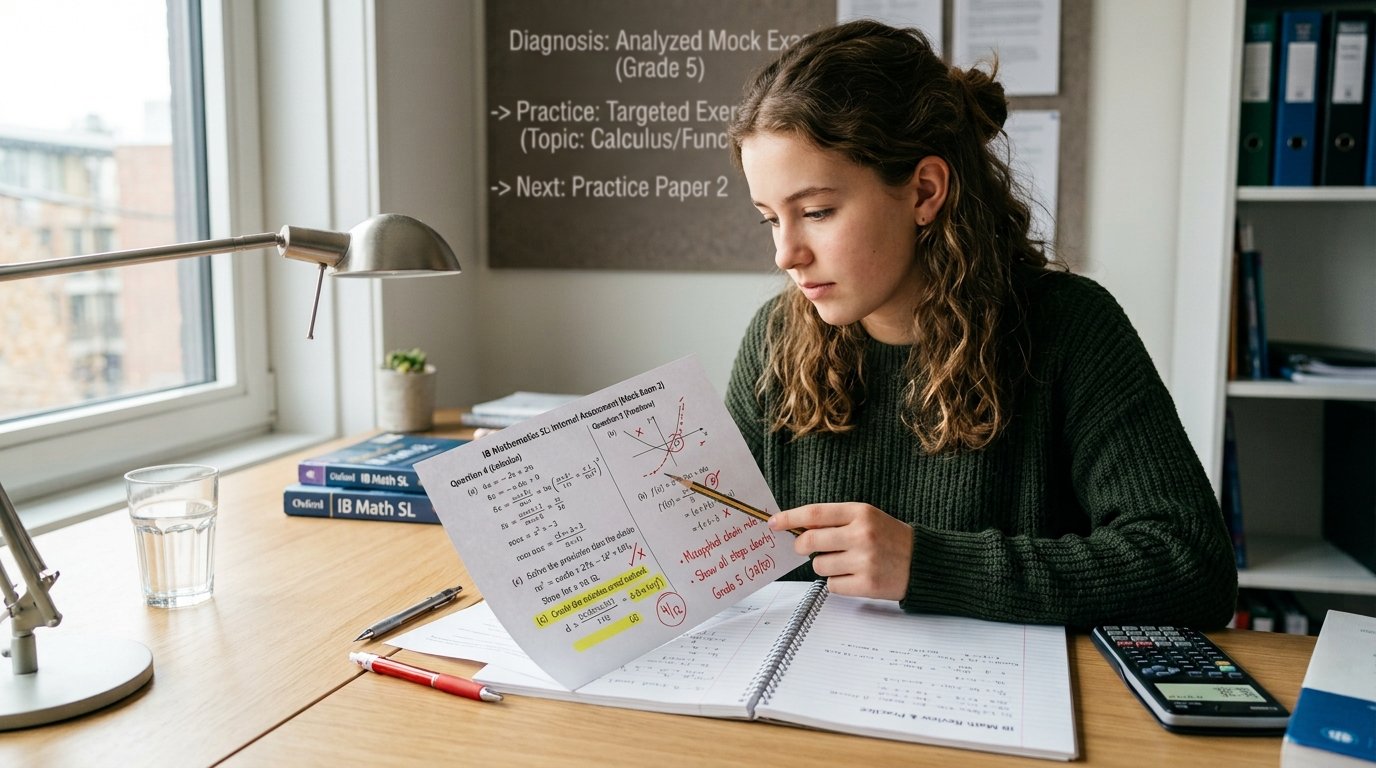
After completing a paper, spend time reviewing every mistake. Understanding why an error occurred is far more valuable than simply noting the correct answer. This process strengthens conceptual understanding and prevents repeated mistakes.
Focus on Weak Areas
GCSE maths past papers make it easier to identify weak topics. If you consistently struggle with algebra or geometry, dedicate extra time to those areas.
Use Mark Schemes Effectively
Mark schemes provide insight into how examiners award marks. Learning how to structure answers according to mark schemes can significantly improve scores.
Repeat Papers for Mastery
Reattempting the same paper after some time can reinforce learning and track improvement. This technique is particularly useful for challenging topics.
Mix Different Exam Boards
Practicing papers from both AQA and Edexcel exposes students to a wider variety of question styles, enhancing adaptability.
Trade-offs and Common Mistakes
While GCSE maths past papers are highly effective, there are some trade-offs and common mistakes to be aware of.
Over-Reliance on Past Papers
Focusing only on past papers without understanding the underlying concepts can limit progress. Students should balance practice with theory.
Ignoring Early Mistakes
Some students move on too quickly without analyzing errors. This leads to repeated mistakes and slower improvement.
Practicing Without Timing
Untimed practice does not prepare students for the pressure of real exams. Time management is a crucial skill that must be developed.
Memorizing Instead of Understanding
Memorizing answers from past papers is ineffective when new variations of questions appear in exams.
Lack of Consistency
Irregular practice reduces the effectiveness of past papers. Consistency is key to achieving noticeable improvement.
How to Structure Your Revision Plan
A well-structured revision plan can maximize the benefits of GCSE maths past papers.
Start by allocating specific days for different topics. For example, dedicate one day to algebra and another to geometry. After revising a topic, immediately apply your knowledge by solving related past paper questions.
Incorporate weekly full-paper practice sessions to simulate real exams. This helps track progress and identify areas that need further improvement.
It is also important to include regular review sessions. Revisiting previously attempted papers ensures that mistakes are not repeated.
Students preparing for both GCSE maths and IGCSE maths should allocate time for each syllabus, as there may be slight differences in content and difficulty.
GCSE vs IGCSE Past Papers
GCSE maths past papers and IGCSE maths past papers serve similar purposes but have some differences.
GCSE maths papers are aligned with UK exam boards such as AQA and Edexcel. They often include structured questions with clear marking criteria.
IGCSE maths past papers, on the other hand, may include more complex problem-solving questions and international contexts. They often require deeper analytical thinking.
Using both types of papers can provide a well-rounded preparation strategy. Students gain exposure to a wider range of questions, improving their ability to adapt in exams.
Next Steps for Students
To make the most of GCSE maths past papers, students should take a strategic approach.
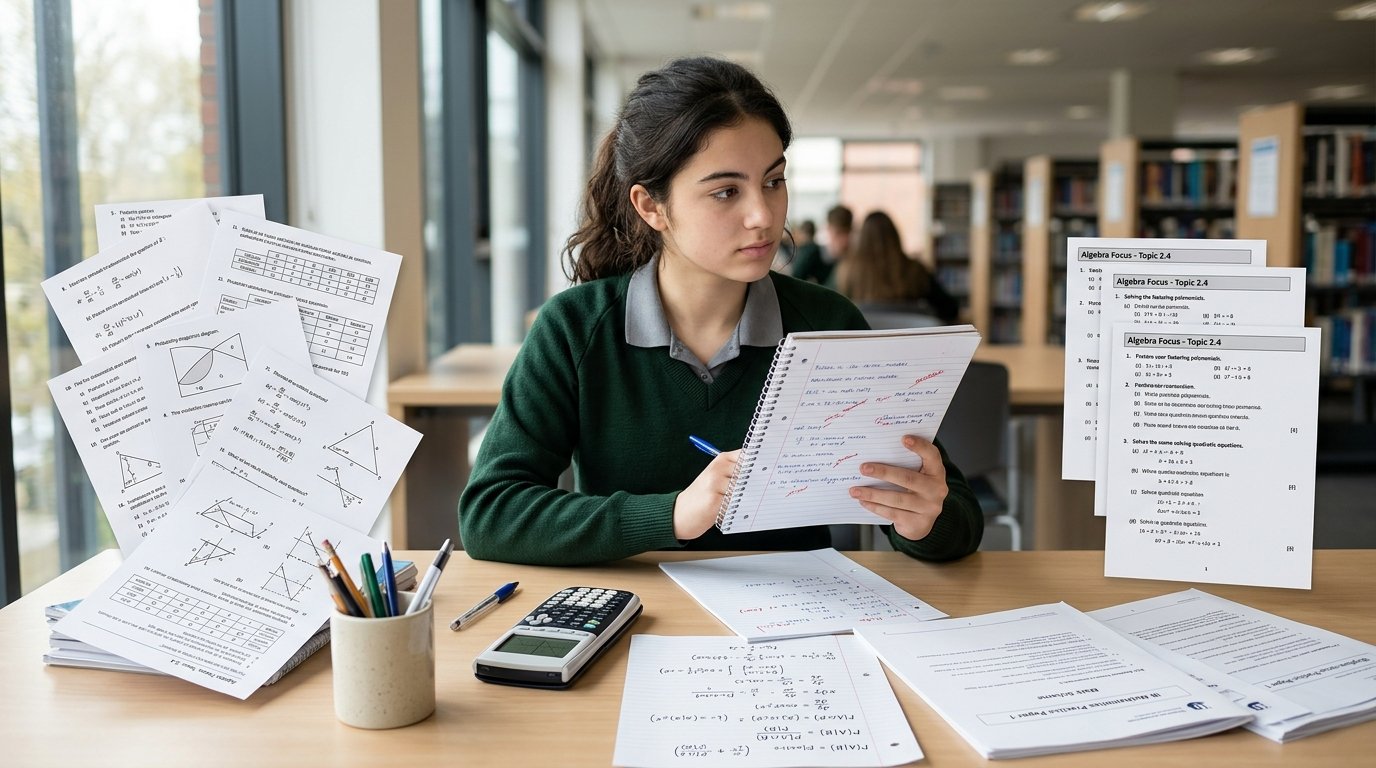
Begin by gathering a variety of past papers from different exam boards. Create a study schedule that includes regular practice sessions and review periods.
Track your progress by recording scores and identifying trends. This helps measure improvement and maintain motivation.
Seek help when needed. Teachers, tutors, and online resources can provide valuable guidance and clarification.
Most importantly, stay consistent. Daily practice, even for a short duration, can lead to significant improvements over time.
FAQ
How many GCSE maths past papers should I complete?
Students should aim to complete at least 10–15 full past papers before the exam for effective preparation.
Are older past papers still useful?
Yes, older papers are valuable for practice, as many question styles remain consistent over time.
Can past papers guarantee a high grade?
Past papers significantly improve performance, but success also depends on understanding concepts and consistent revision.
Conclusion
GCSE maths past papers are an essential tool for achieving exam success. They provide valuable insights into exam patterns, improve problem-solving skills, and build confidence under pressure. However, their effectiveness depends on how they are used.
By combining past paper practice with strong conceptual understanding and consistent revision, students can maximize their potential and achieve top grades in both GCSE maths and IGCSE maths.
Success is not about doing more papers; it is about doing them smarter.
Join Mathzem & Boost Your GCSE Maths Scores Today
Ready to take your GCSE maths and IGCSE maths preparation to the next level?
Get access to premium past papers, expert solutions, and structured revision plans designed to help you achieve top grades.
Start your journey now:
https://mathzem.com/membership-pricing/
One Response