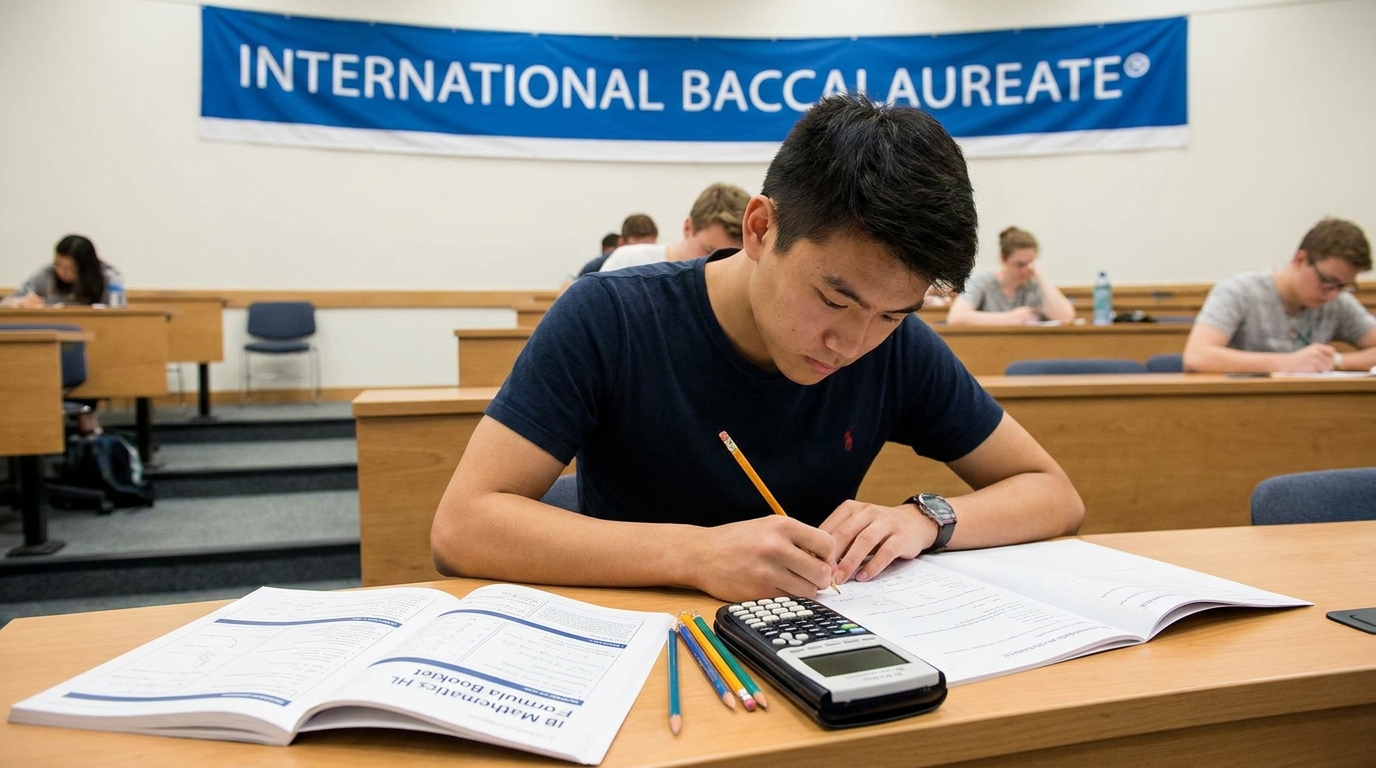
Success in IB Maths exam tips is not just about knowing the content. It is about applying your knowledge accurately under pressure. Students who perform well typically have a clear exam strategy, strong time-management skills, and experience working through past papers. The good news is that these skills can be learned.
By following the tips in this guide, you can approach your exams with greater confidence and improve your chances of achieving your target grade.
Table of Contents
Why Exam Technique Matters in IB Maths Exam Tips
Many students spend months revising but still underperform during exams.
Why?
Because knowing mathematics and performing well in an exam are two different things.
Exams test
- Mathematical understanding
- Time management
- Accuracy
- Decision-making
- Problem-solving under pressure
At Mathzem, we often see students improve dramatically once they develop better exam habits—even when their mathematical knowledge remains largely unchanged.
1. Start Your Revision Early
One of the biggest mistakes students make is leaving revision until the final few weeks.
IB Mathematics covers a wide range of topics, and effective preparation takes time.
Starting early allows you to:
- Identify weak areas
- Build confidence gradually
- Reduce stress
- Avoid cramming
Even 30–60 minutes of focused revision each day can make a significant difference over several months.
2. Focus on Understanding, Not Memorization
Mathematics is about applying concepts.
Students who simply memorize methods often struggle when questions are presented in unfamiliar ways.
Instead:
- Understand why formulas work
- Explore multiple solution methods
- Practice explaining concepts in your own words
This creates flexible problem-solving skills that transfer across different question types.
3. Use Past Papers Strategically
Past papers remain one of the most valuable revision resources.
They help you:
- Understand exam structure
- Identify recurring question styles
- Build speed
- Improve confidence
However, simply completing papers is not enough.
Always review mistakes carefully and learn from them.
Find Your Weakest Topics Before the Exam
Many students waste time revising topics they already understand.
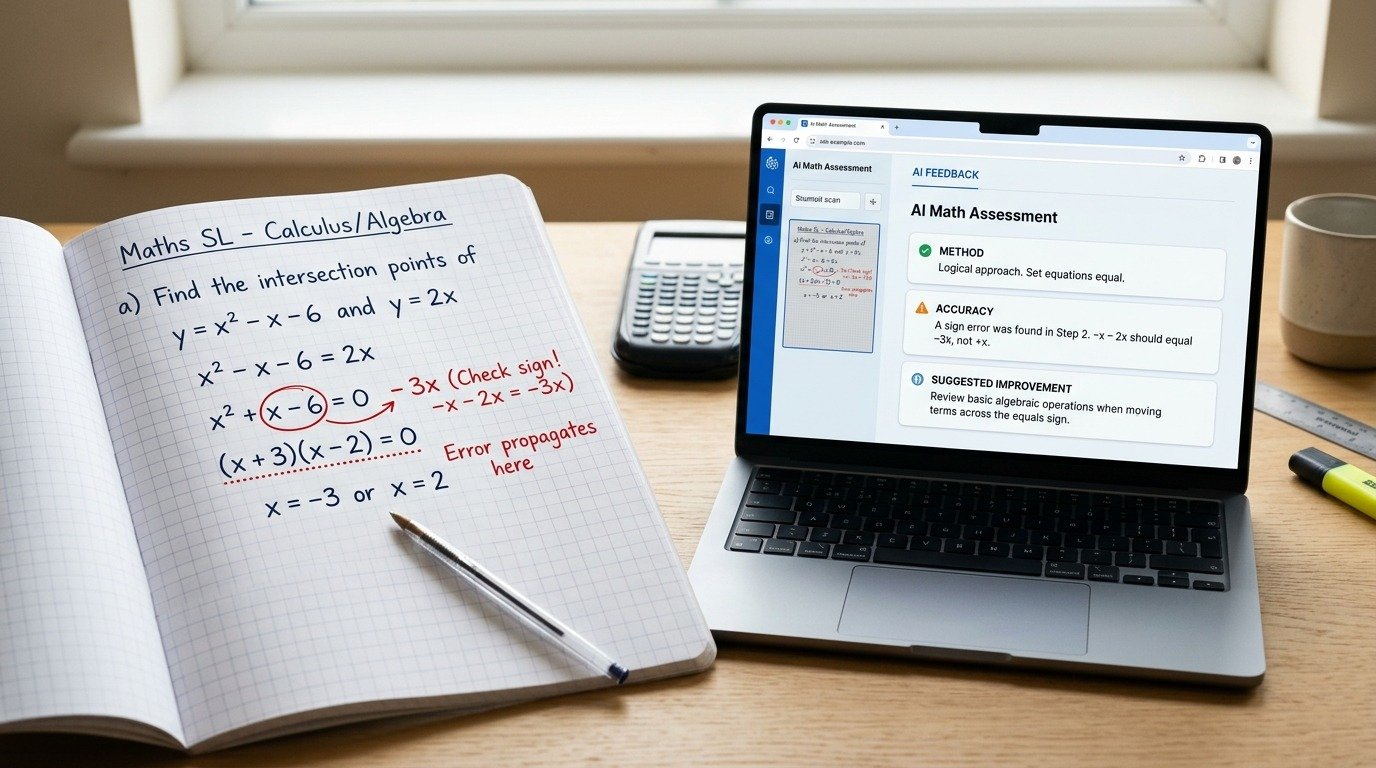
The Math Skill Scanner helps identify exactly where your strengths and weaknesses lie, allowing you to focus your revision where it will have the greatest impact.
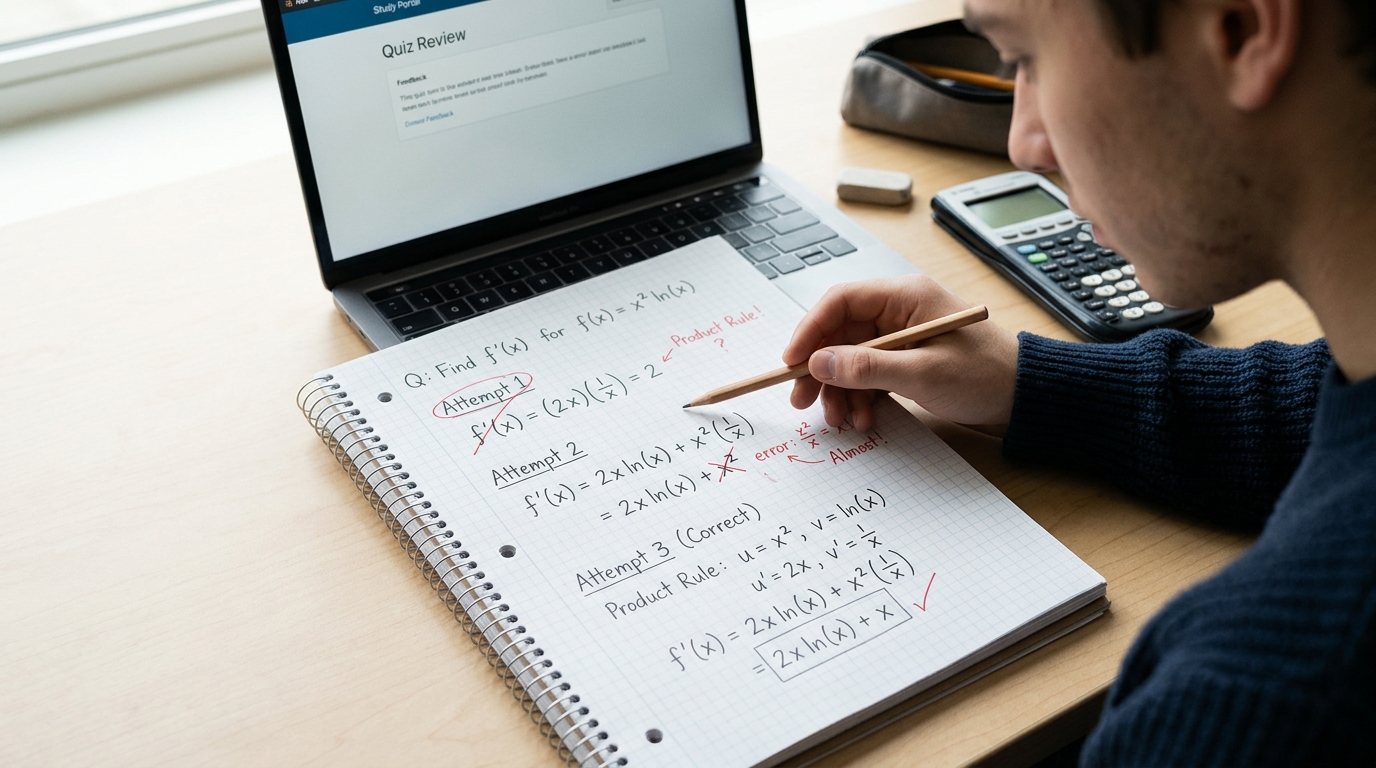
4. Create an Error Log
Every mistake contains valuable information.
After completing practice questions, record:
- Topic
- Error type
- Correct method
- Key lesson
Over time, patterns emerge.
This helps you target recurring weaknesses.
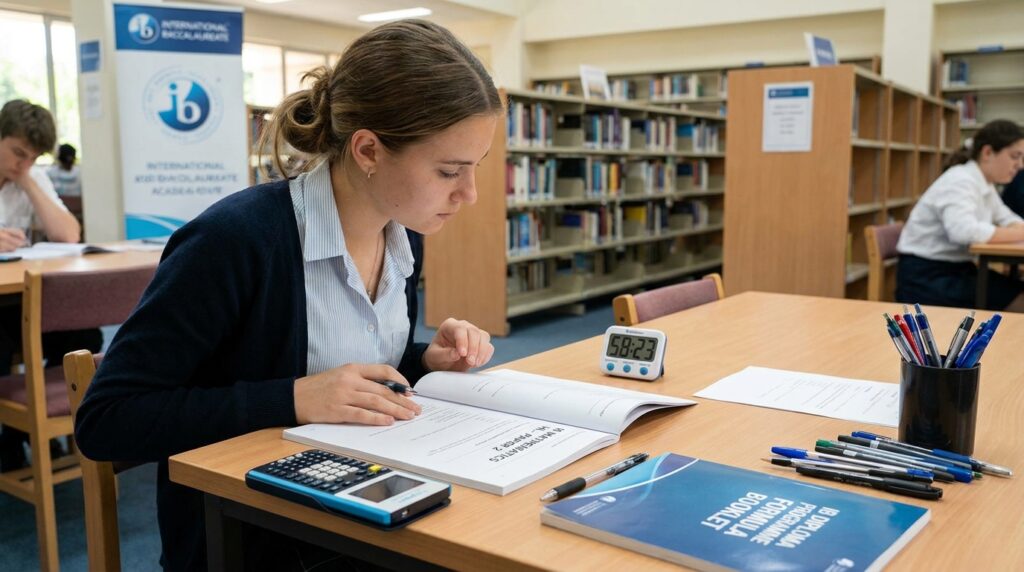
5. Practice Under Timed Conditions
Many students know how to solve questions but struggle to complete papers within the allotted time.
Timed practice helps develop the following:
- Speed
- Focus
- Endurance
- Exam confidence
Treat practice papers as real exams.
6. Learn to Move On
One difficult question should not derail your entire paper.
If you become stuck:
- Attempt what you can.
- Write down relevant steps.
- Move to the next question.
- Return later if time permits.
This prevents unnecessary loss of marks elsewhere.
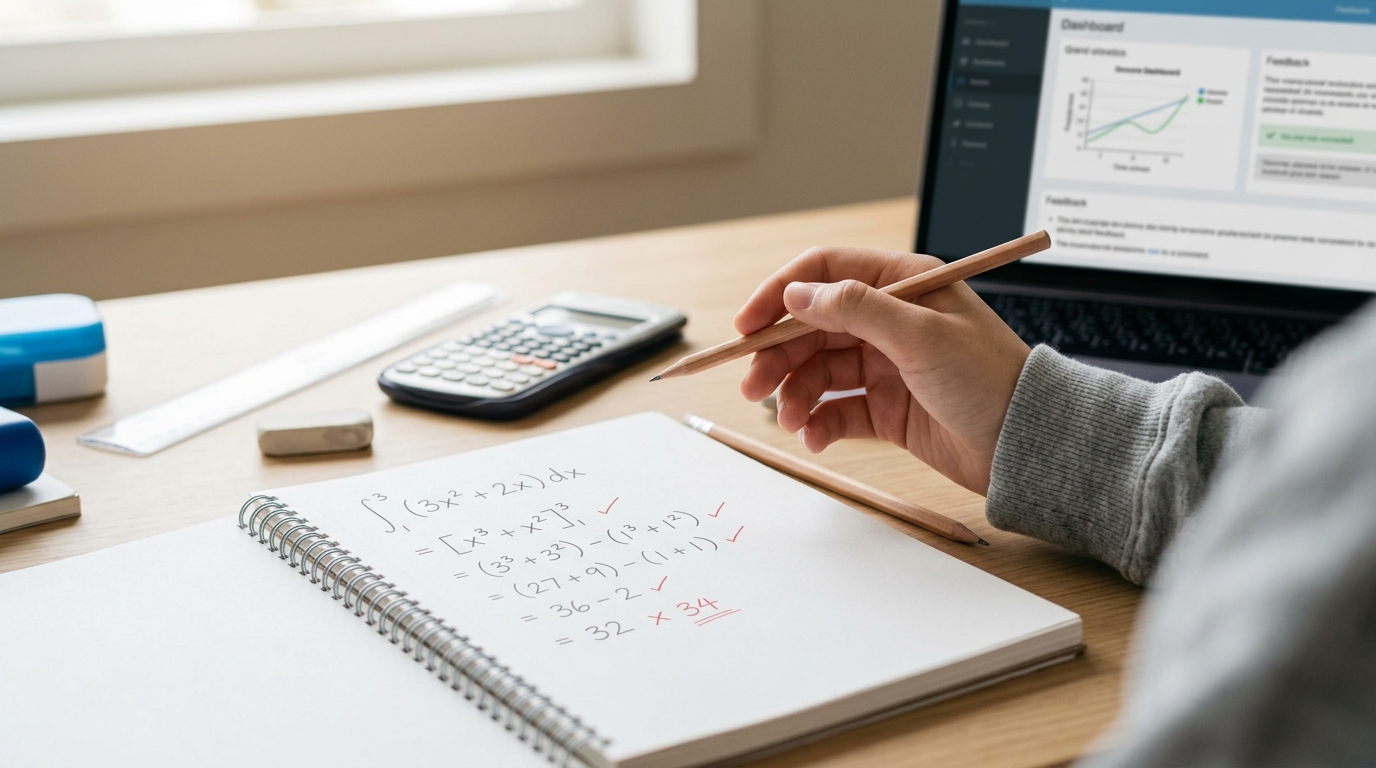
7. Show All Working
IB examiners award method marks.
Even if your final answer is incorrect, clear working can earn valuable credit.
Never skip steps simply because they seem obvious.
8. Know Your Calculator Thoroughly
Calculator proficiency can save significant time.
Students should practice
- Graphing functions
- Statistical calculations
- Regression analysis
- Matrix operations
- Financial calculations (where applicable)
Calculator skills are particularly important for AI students.
9. Use the Formula Booklet Effectively
The formula booklet is a support tool, not a replacement for understanding.
Become familiar with:
- Formula locations
- Variable definitions
- Common applications
Students who practise with the booklet before exams use it much more efficiently.
10. Read Questions Carefully
A surprising number of marks are lost through misreading.
Before solving:
- Identify key information
- Note command terms
- Check units
- Understand what is being asked
A few extra seconds can prevent avoidable mistakes.
11. Review Your Strongest Topics Last
Many students spend excessive time revising areas they already know.
Instead:
- Prioritize weaknesses first
- Strengthen moderate topics second
- Refresh strengths near the exam
This produces greater overall improvement.
12. Develop a Consistent Revision Schedule
Consistency beats intensity.
A realistic study plan is easier to maintain and often produces better long-term results than sporadic marathon sessions.
Aim for:
- Regular study blocks
- Clear weekly goals
- Balanced topic coverage
13. Manage Exam-Day Stress
Feeling nervous is normal.
To reduce anxiety:
- Sleep well
- Arrive early
- Prepare materials in advance
- Focus on the process, not the outcome
Confidence grows from preparation.
14. Learn From Every Practice Paper
Each paper provides feedback.
Ask yourself:
- What went well?
- What needs improvement?
- Which topics require more practice?
Students who reflect regularly improve faster than those who simply complete more questions.
Build Exam Confidence Through Targeted Practice
Once you’ve identified weak areas, strengthen them using IB Practice Questions.
Focused practice is often more effective than endlessly rereading notes because it develops the skills you need during real exams.
15. Trust Your Preparation
In the final days before the exam, avoid trying to learn large amounts of new material.
Focus on:
- Reviewing key concepts
- Revisiting your error log
- Maintaining confidence
The work you have already done matters most.
Common Exam Mistakes to Avoid
- Leaving revision too late
- Ignoring weak topics
- Relying only on notes
- Neglecting timed practice
- Forgetting calculator skills
- Not reviewing mistakes
Avoiding these errors can significantly improve your performance.
Frequently Asked Questions About IB Maths Exam Tips
How many past papers should I complete?
Most students benefit from completing between 6 and 15 papers depending on their level and available preparation time.
Is calculator practice important?
Yes. Efficient calculator use saves time and improves accuracy, especially in AI courses.
What should I do the day before the exam?
Focus on light review, rest, and confidence-building rather than intensive studying.
Final Thoughts
Strong IB Maths exam performance comes from a combination of mathematical understanding, effective revision, and smart exam technique.
The most successful students are not necessarily the most naturally gifted. They are often the students who prepare consistently, analyse mistakes carefully, and develop effective exam habits.
Start by identifying your weakest areas with the Math Skill Scanner, then strengthen those topics through targeted practice with IB Practice Questions.
Small improvements made consistently can lead to major gains on exam day.
Author Bio
Mathzem helps IB Mathematics students succeed in AA and AI at both SL and HL levels through expert guidance, structured revision strategies, targeted practice questions, and exam-focused resources designed to build confidence and improve results.