
GCSE Maths 2026 is a crucial milestone for students aiming for academic and career success. With exams scheduled between May and June 2026 and results day in August, effective preparation through past papers, revision strategies, and understanding the exam format is essential for achieving top grades.
Table of Contents
What GCSE Maths 2026 Means for Students
GCSE Maths 2026 represents more than just another set of exams. It is a defining academic milestone that influences future education pathways, career opportunities, and personal confidence in problem-solving. For students across the UK and those pursuing equivalent qualifications internationally, GCSE maths is one of the most important subjects.
From an E.E.A.T. perspective, GCSE Maths 2026 reflects not only academic knowledge but also the ability to apply mathematical reasoning in real-world situations. Universities and employers view strong math skills as a sign of analytical thinking, discipline, and resilience.
The growing emphasis on data, technology, and STEM careers has made GCSE maths even more valuable. Whether a student plans to pursue science, engineering, business, or finance, a solid foundation in mathematics is essential.
Additionally, GCSE Maths 2026 introduces students to structured exam environments, time management, and performance under pressure. These skills extend far beyond the classroom and contribute to long-term success.
GCSE Maths 2026 Key Dates
Understanding key dates is essential for effective planning.
GCSE Maths Exam Dates 2026
- Exams run from early May to late June 2026
- Math papers are typically scheduled across
- Mid-May
- Early June
- Mid-June
Students usually write three papers:
- Paper 1 (Non-calculator)
- Paper 2 (Calculator)
- Paper 3 (Calculator)
Each paper tests a range of topics from the curriculum.

GCSE Results Day 2026
- Results Day: 20 August 2026
This is when students receive their final grades and determine their next academic steps.
Planning revision around these dates ensures students have enough time to prepare without unnecessary stress.
GCSE Maths 2026 Exam Structure
The GCSE Maths 2026 exam structure is designed to test both knowledge and application.
Number of Papers
Students take three papers, each contributing equally to the final grade.
Topics Covered
- Number
- Algebra
- Ratio and Proportion
- Geometry and Measures
- Probability
- Statistics
Assessment Style
Questions range from straightforward calculations to complex problem-solving tasks. Higher-tier exams include more challenging questions requiring deeper reasoning.
Grading System
- Grades range from 1 to 9
- Grade 4 = standard pass
- Grade 5 = strong pass
- Grades 7–9 = top performance
Understanding this structure helps students focus their preparation effectively.
What Works: Proven Strategies for Success
Success in GCSE Maths 2026 requires a combination of smart strategies and consistent effort.
1. Master the Basics
Strong foundational knowledge is essential. Topics like fractions, percentages, and basic algebra appear frequently in exams.
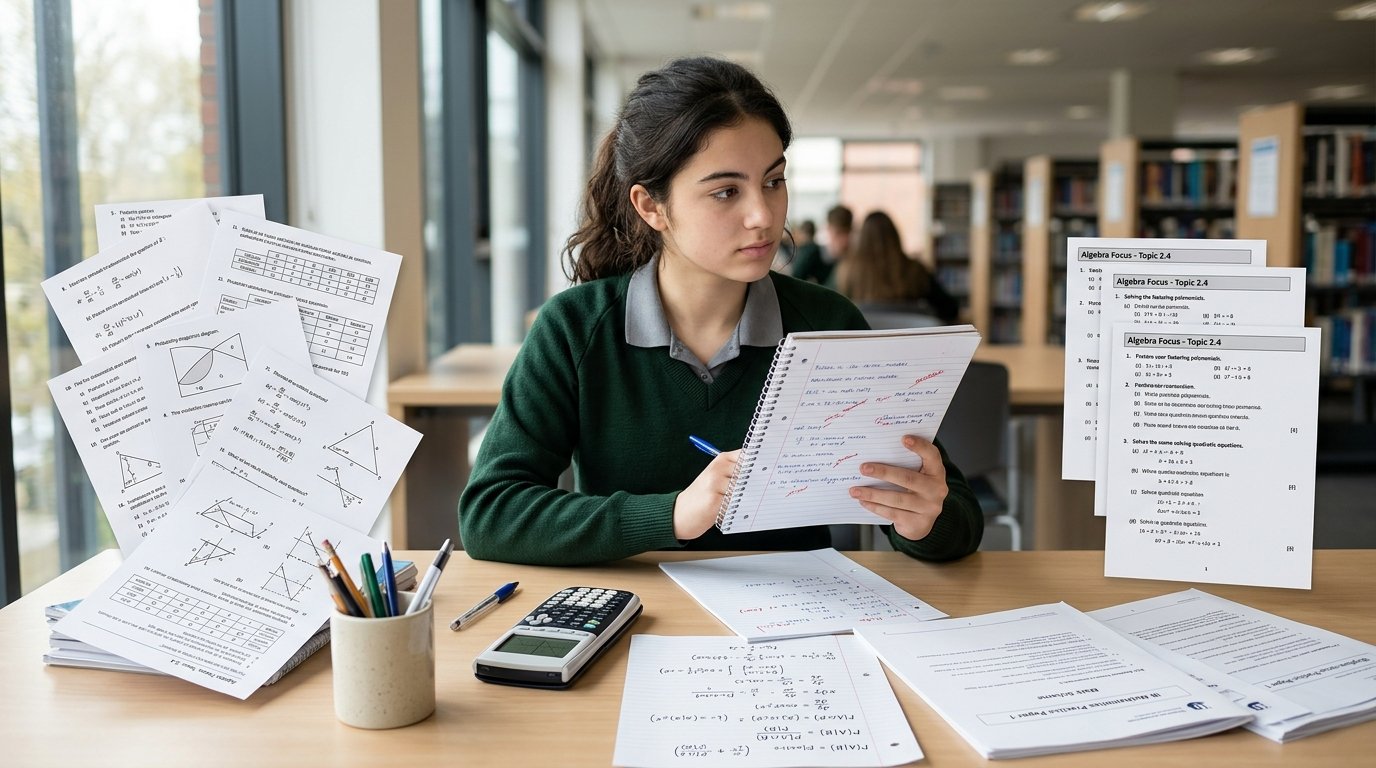
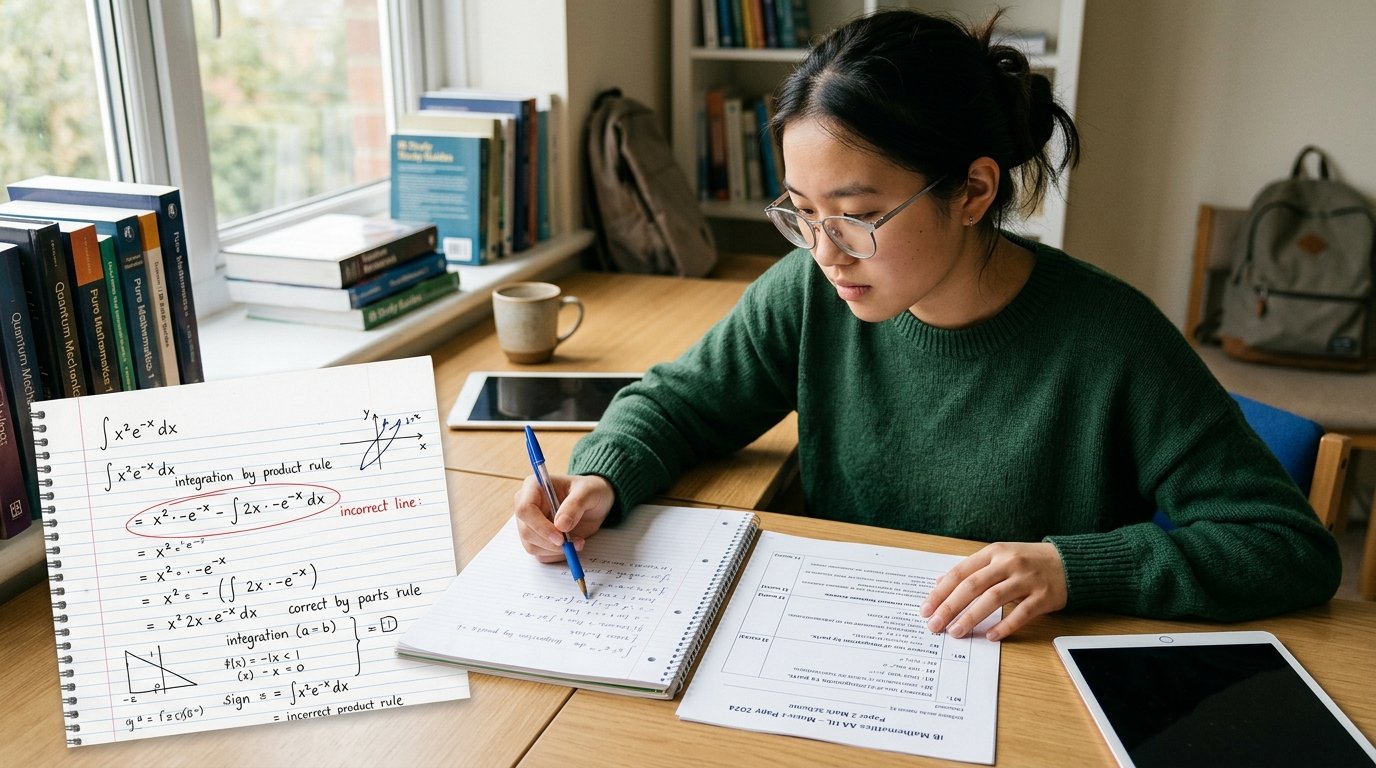
2. Practice Past Papers
Past papers are one of the most effective tools for preparation. They help students understand exam patterns and improve time management.
3. Use Active Learning Techniques
Instead of passively reading notes, students should actively solve problems and test themselves.
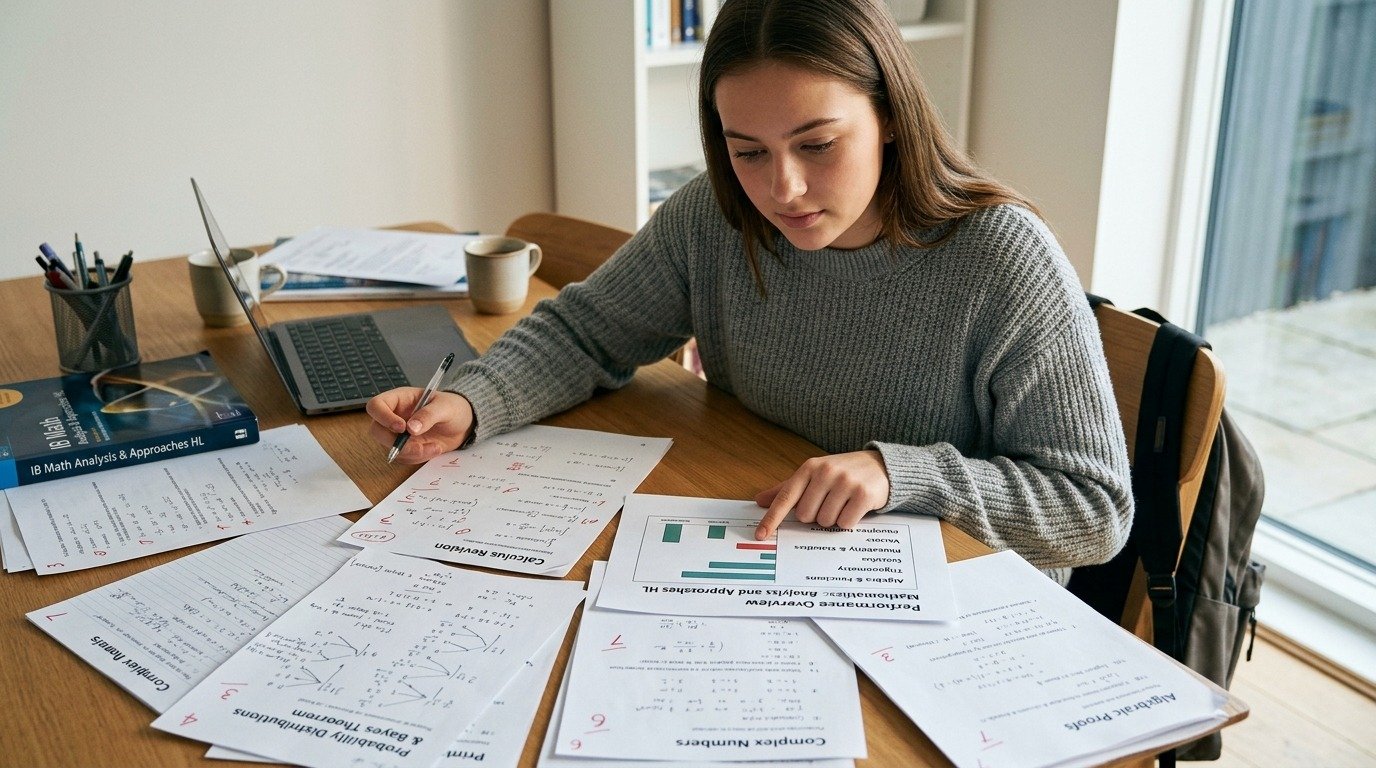
4. Focus on Weak Areas
Identifying and improving weak topics can significantly boost overall performance.
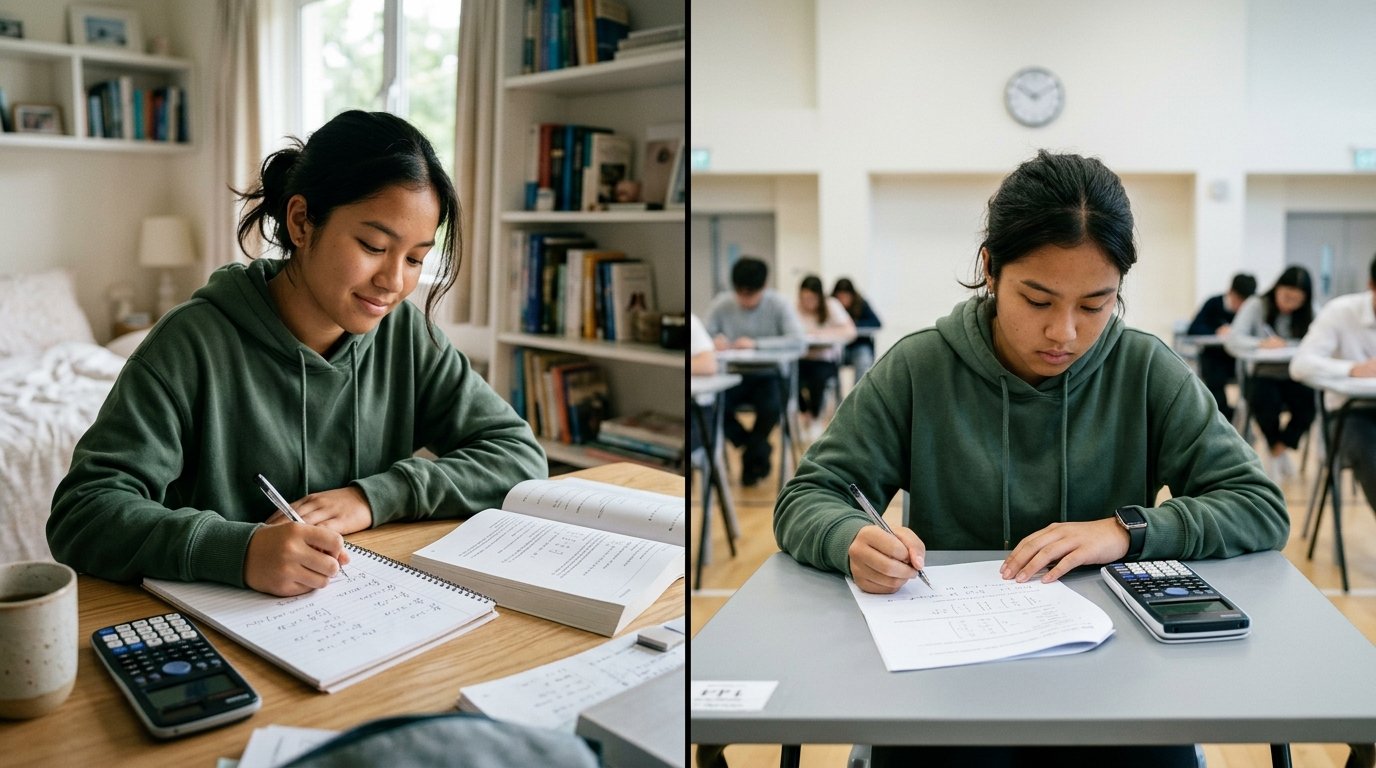
5. Simulate Exam Conditions
Practicing under timed conditions builds confidence and reduces exam anxiety.
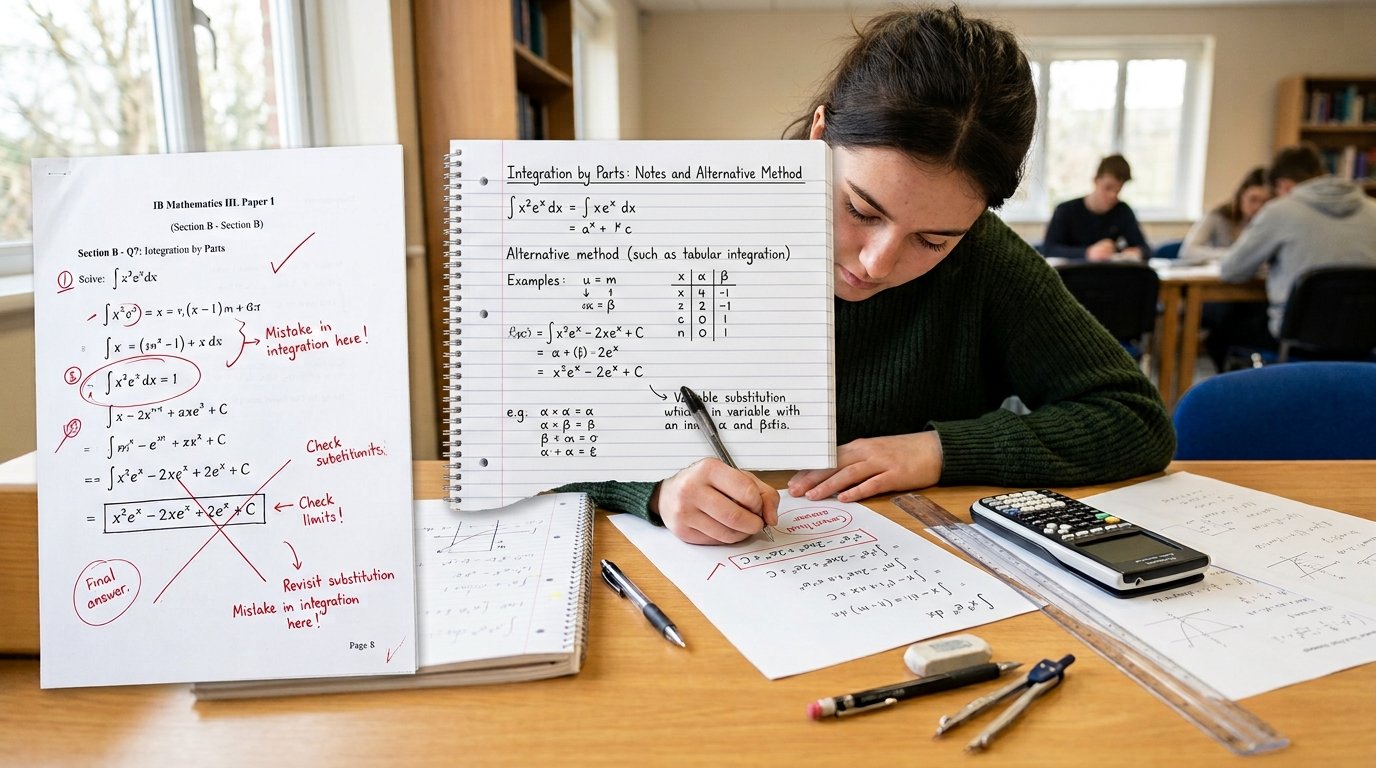
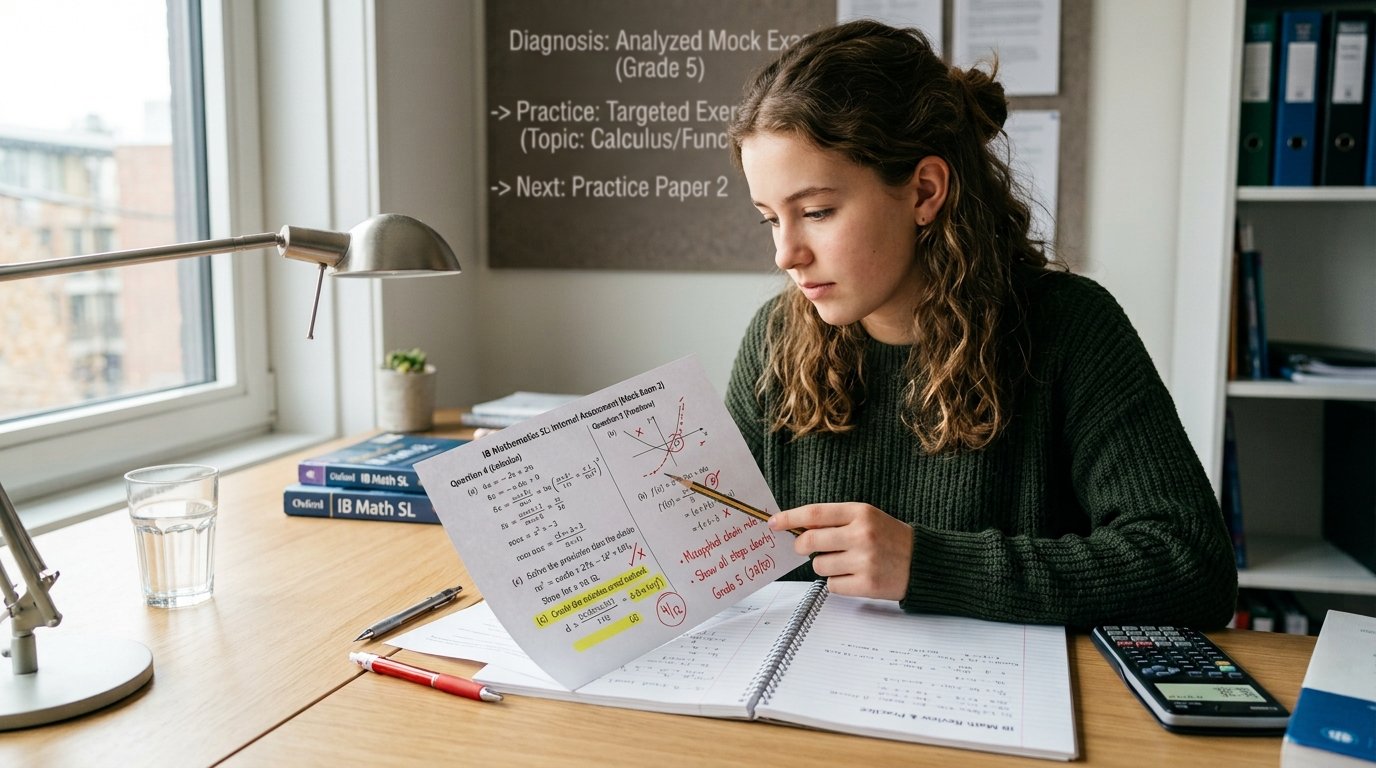
6. Review Mistakes
Analyzing errors helps prevent repetition and strengthens understanding.
7. Stay Consistent
Daily practice, even for short periods, leads to steady improvement.
Trade-offs and Common Mistakes
While preparing for GCSE Maths 2026, students should be aware of common pitfalls.
Over-Reliance on Memorization
Understanding concepts is more important than memorizing formulas.
Ignoring Past Papers
Skipping past papers limits exposure to real exam questions.
Poor Time Management
Spending too much time on difficult questions can reduce overall scores.
Lack of Consistency
Irregular study habits hinder progress.
Exam Anxiety
Stress can negatively impact performance if not managed properly.
Avoiding these mistakes can make a significant difference in results.
GCSE vs IGCSE Maths 2026
While GCSE Maths 2026 is widely recognized in the UK, IGCSE maths offers an international alternative.
Similarities
- Core mathematical topics
- Focus on problem-solving
- Multiple exam papers
Differences
- IGCSE often includes more challenging questions
- Greater emphasis on independent thinking
- Different exam boards and formats
Students preparing for both should adapt their strategies accordingly.
Next Steps for Students
To succeed in GCSE Maths 2026, students should take proactive steps.
Start by creating a revision plan that covers all topics. Use a mix of textbooks, online resources, and past papers.
Track progress regularly and adjust strategies as needed. Seek help from teachers or tutors when necessary.
Stay motivated by setting goals and celebrating achievements. Consistent effort and a positive mindset are key to success.
References
- Official exam board guidelines (AQA, Edexcel, OCR)
- Educational resources and revision platforms
- Academic curriculum frameworks
FAQ Section
When are the GCSE Maths exams in 2026?
They are scheduled between May and June 2026.
What is the GCSE results day 2026?
Results day is 20 August 2026.
How can I prepare effectively for GCSE Maths 2026?
Use past papers, revise consistently, and focus on understanding concepts.
Conclusion
GCSE Maths 2026 is a significant academic milestone that requires careful preparation and strategic planning. By understanding the exam structure, using effective revision techniques, and avoiding common mistakes, students can achieve their desired grades.
Success in GCSE maths is not about last-minute effort but consistent preparation over time. With dedication and the right approach, every student can reach their full potential.
Join Mathzem & Ace GCSE Maths 2026 Today!
Ready to achieve top grades in GCSE Maths 2026?
Access expert revision plans, past papers, and step-by-step solutions designed for success.
👉 Get started now:
https://mathzem.com/membership-pricing/
One Response