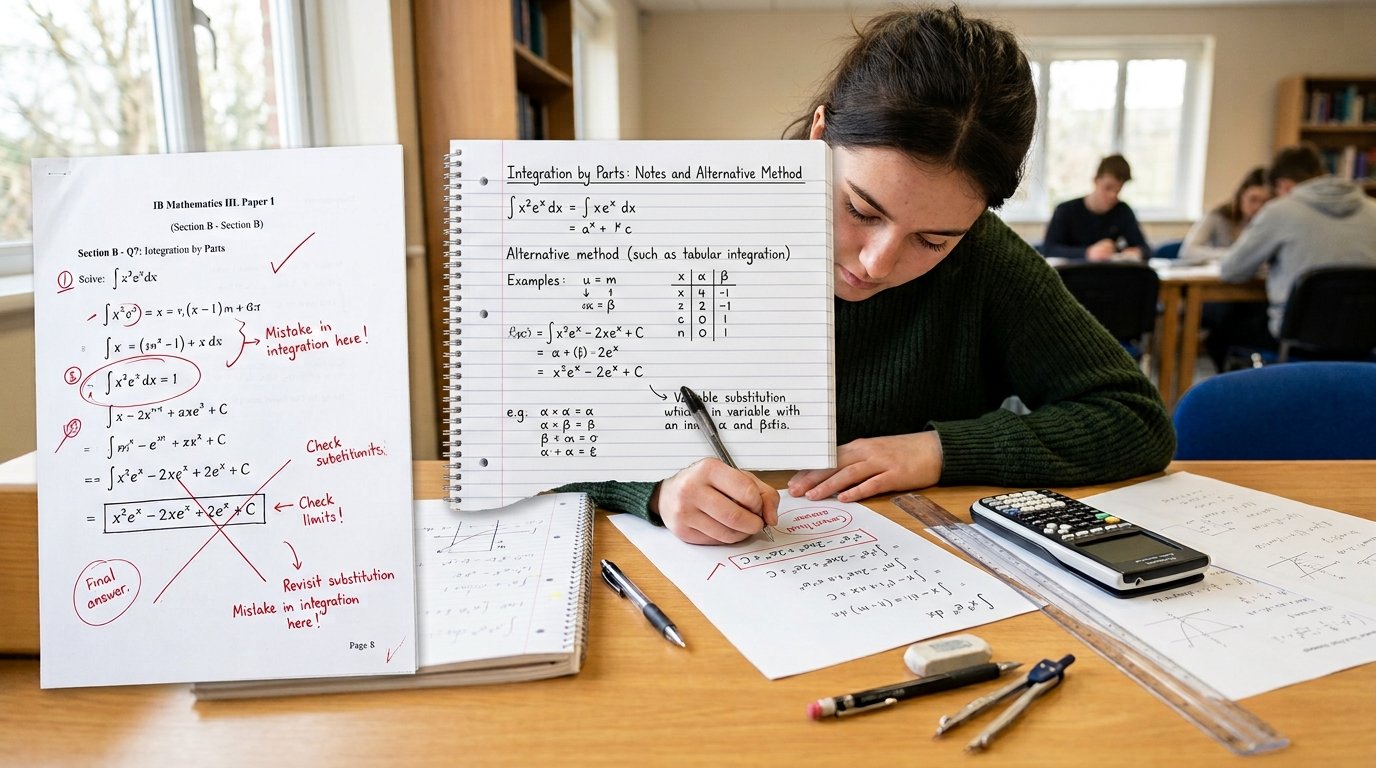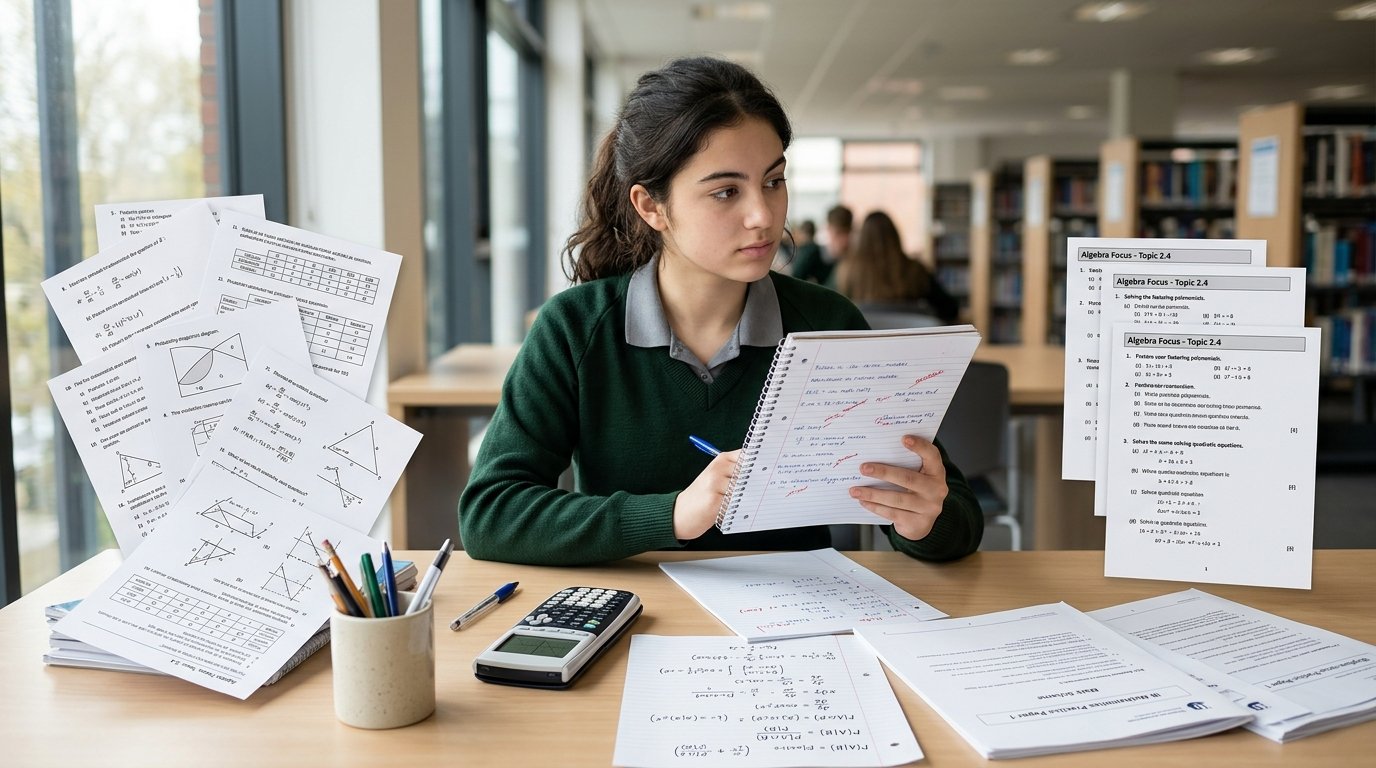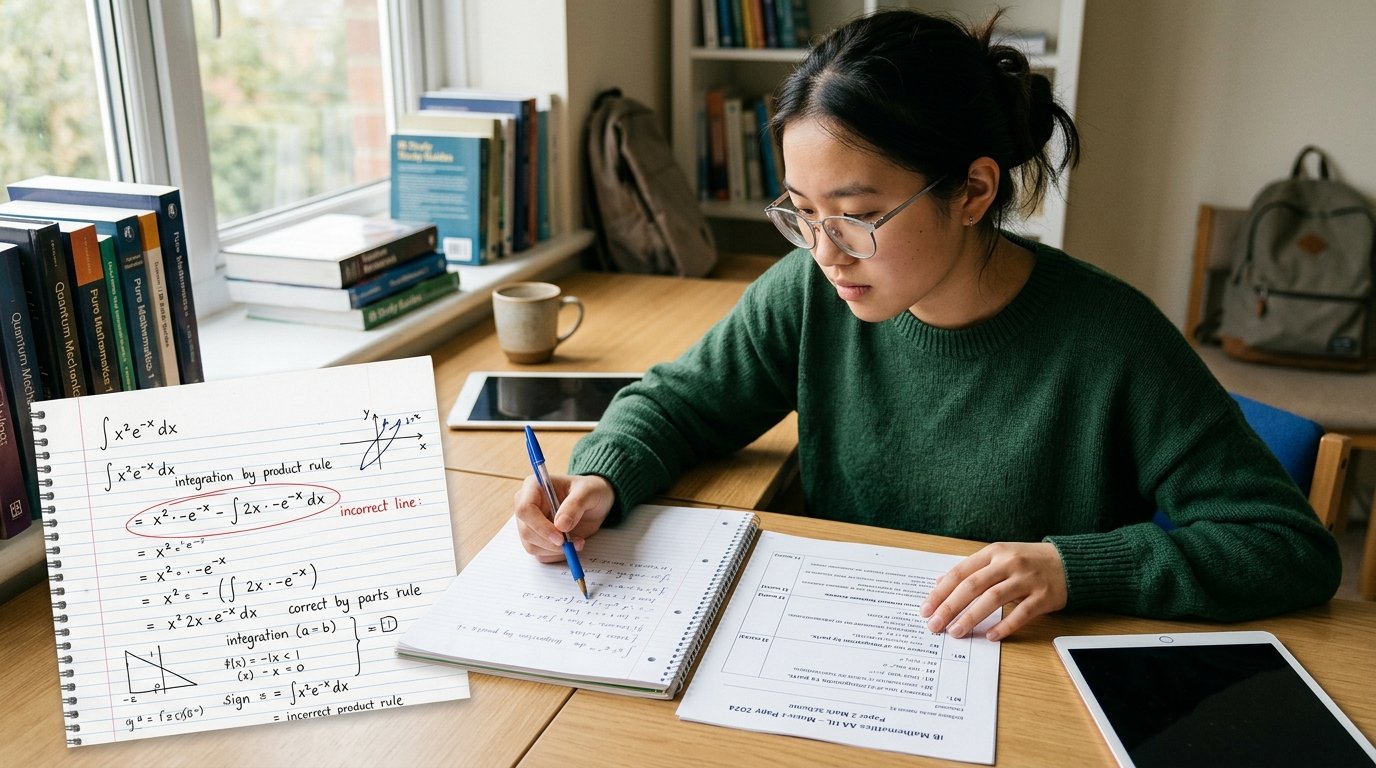
Choosing between GCSE maths higher vs foundation is crucial for exam success. The higher tier offers grades 4–9 with more challenging content, while the foundation tier covers grades 1–5 with simpler questions. The right choice depends on ability, confidence, and academic goals.
Table of Contents
Understanding GCSE Maths Tiers
The GCSE maths higher vs foundation decision is one of the most important choices students make during their exam preparation. This choice determines not only the difficulty of the exam but also the range of grades that can be achieved.
GCSE maths is divided into two tiers to accommodate different ability levels. The foundation tier is designed for students who need a stronger grasp of basic concepts, while the higher tier challenges students with more advanced topics.
From an E.E.A.T. perspective, understanding the GCSE maths higher vs foundation system allows students to make informed decisions based on their skills and goals. This ensures a more effective and personalized approach to exam preparation.
Another important factor is confidence. Choosing the correct tier can significantly impact performance. A student placed in the right tier is more likely to perform well and achieve their target grade.
GCSE Maths Higher vs Foundation Explained
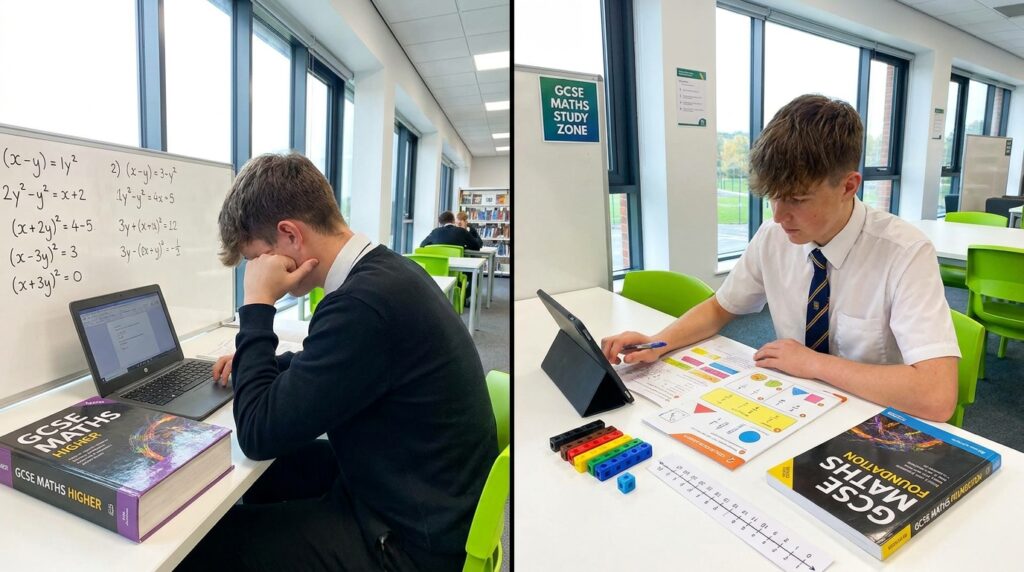
Understanding the differences between GCSE maths higher vs foundation is essential.
GCSE Maths Foundation Tier
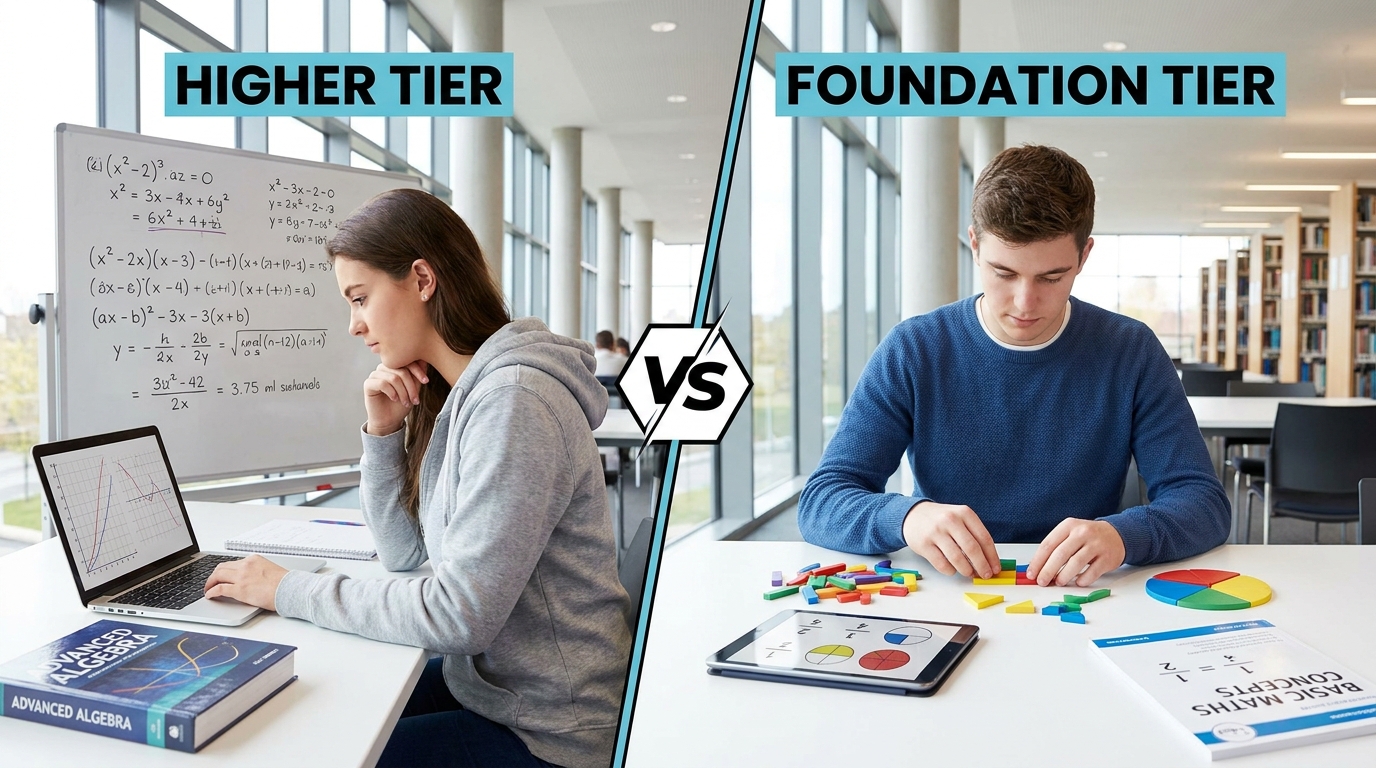
The foundation tier covers grades 1 to 5. It focuses on core mathematical concepts such as basic algebra, arithmetic, and simple geometry.
Questions in this tier are generally more straightforward and structured. This makes it suitable for students who may struggle with more complex problem-solving.
GCSE Maths Higher Tier
The higher tier covers grades 4 to 9. It includes advanced topics such as quadratic equations, trigonometry, and complex algebra.
Questions in this tier require deeper understanding and problem-solving skills. Students aiming for top grades (7–9) must take the higher tier.
Key Differences
- Grade Range:
Foundation (1–5) vs Higher (4–9) - Difficulty Level:
Foundation is easier; Higher is more challenging - Topics Covered:
Higher includes advanced algebra and trigonometry - Exam Complexity:
Higher-tier questions require more analytical thinking
What Works: Choosing the Right Tier
Selecting the right tier in GCSE maths higher vs. foundation, requires careful consideration.
Assess Your Current Level
Students should evaluate their performance in mock exams and practice papers. Consistently scoring above a grade 5 may indicate readiness for a higher tier.
Consider Your Goals
If you aim for grades 6 to 9, a higher tier is necessary. For passing grades (4–5), foundation may be sufficient.
Seek Teacher Advice
Teachers can provide valuable insights based on classroom performance and assessments.
Balance Challenge and Confidence
Choosing a tier that is too difficult can lead to stress, while an easier tier may limit potential grades.
Practice Both Levels
Trying questions from both tiers can help students understand which suits them better.
Trade-offs and Common Mistakes
When deciding between GCSE maths higher vs foundation, students often make avoidable mistakes.
Choosing Higher Without Preparation
Some students opt for a higher tier without adequate preparation, leading to poor performance.
Underestimating Foundation Tier
Foundation is not “easy.” It still requires solid understanding and practice.
Ignoring Grade Limitations
Students aiming for high grades cannot achieve them in the foundation tier.
Lack of Flexibility
Not adjusting the tier based on progress can limit success.
Peer Pressure
Choosing a tier based on friends’ decisions rather than personal ability can be harmful.
GCSE vs IGCSE Levels
While GCSE maths higher vs foundation applies to UK exams, IGCSE math uses a slightly different system.
IGCSE often offers core and extended levels instead of foundation and higher tiers. The extended level is similar to higher tier, while the core level aligns with foundation.
However, IGCSE exams may include more complex problem-solving and less structured questions. This requires students to develop stronger analytical skills.
Understanding both systems can help students preparing for international exams make better decisions.
Next Steps for Students
To make the best decision in GCSE maths higher vs foundation, students should take proactive steps.
Start by reviewing recent test results and identifying strengths and weaknesses. Practice questions from both tiers to gain clarity.
Discuss options with teachers and parents to ensure a well-informed decision. Create a study plan tailored to the chosen tier.
Focus on consistent practice and gradual improvement. With the right approach, students can maximize their potential and achieve their desired grades.
FAQ Section
Can I switch between higher and foundation tiers?
Yes, students can switch tiers before final exam entries, depending on school policies.
Is the higher tier much harder than the foundation?
Yes, a higher tier includes more advanced topics and requires stronger problem-solving skills.
Which tier should I choose for a grade 5?
Both tiers can achieve grade 5, but the higher tier offers more flexibility for higher grades.
Conclusion
The choice between GCSE maths higher vs foundation is a critical decision that can shape exam outcomes. Understanding the differences, evaluating personal ability, and seeking guidance are essential steps in making the right choice.
Success in GCSE maths and IGCSE maths is not just about difficulty level—it is about choosing the path that aligns with your strengths and goals. With the right decision and consistent effort, every student can achieve success.
🚀 Join Mathzem and Choose the Right Maths Path Today
Still unsure about GCSE maths higher vs foundation?
Get expert guidance, personalized study plans, and targeted practice to help you succeed in your chosen tier.
👉 Start now:
https://mathzem.com/membership-pricing/