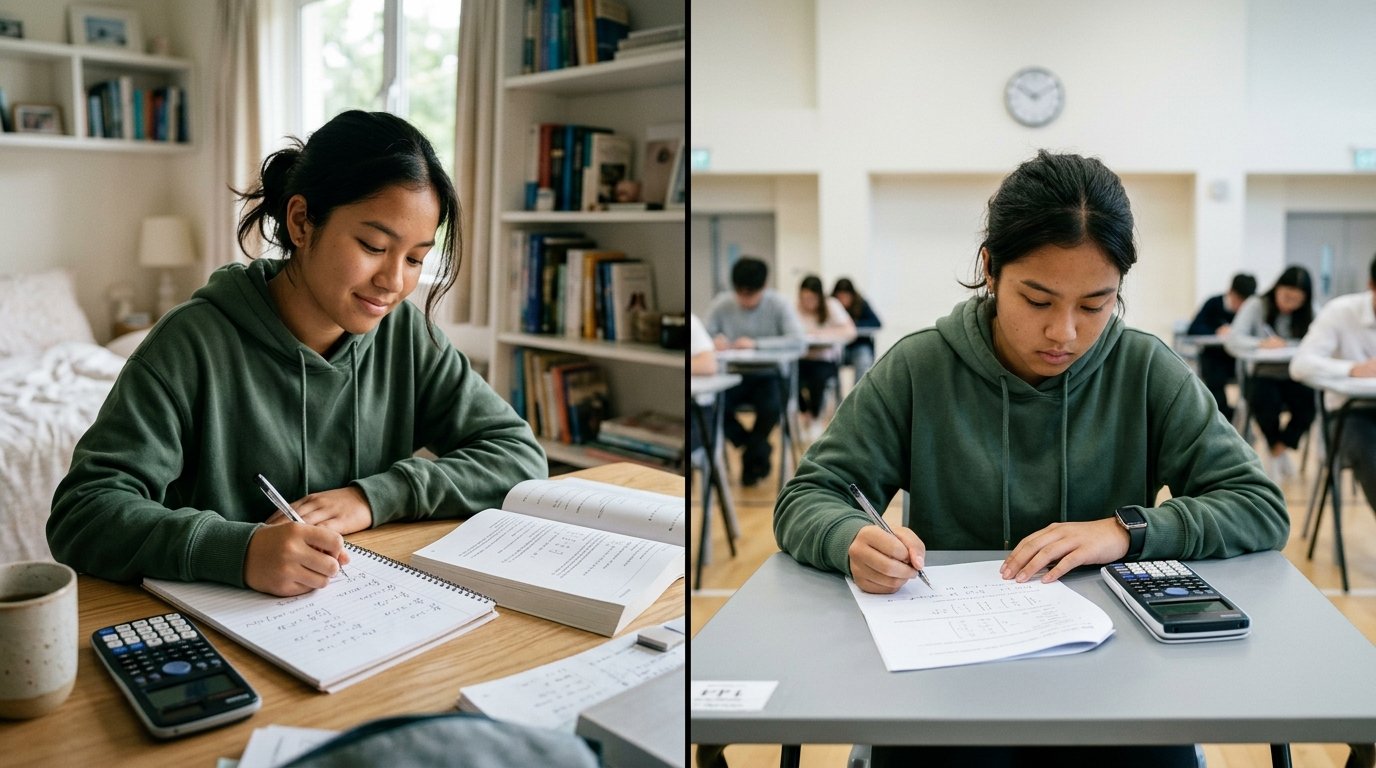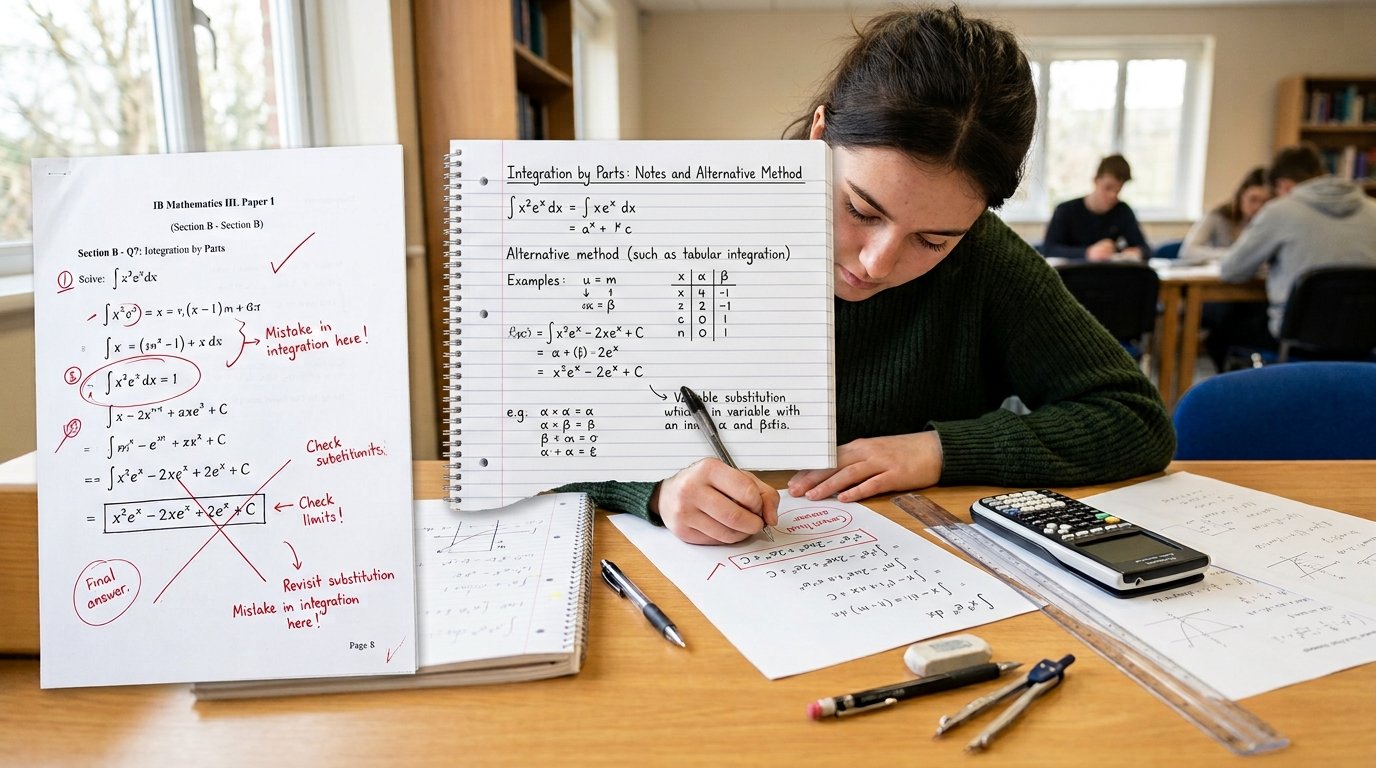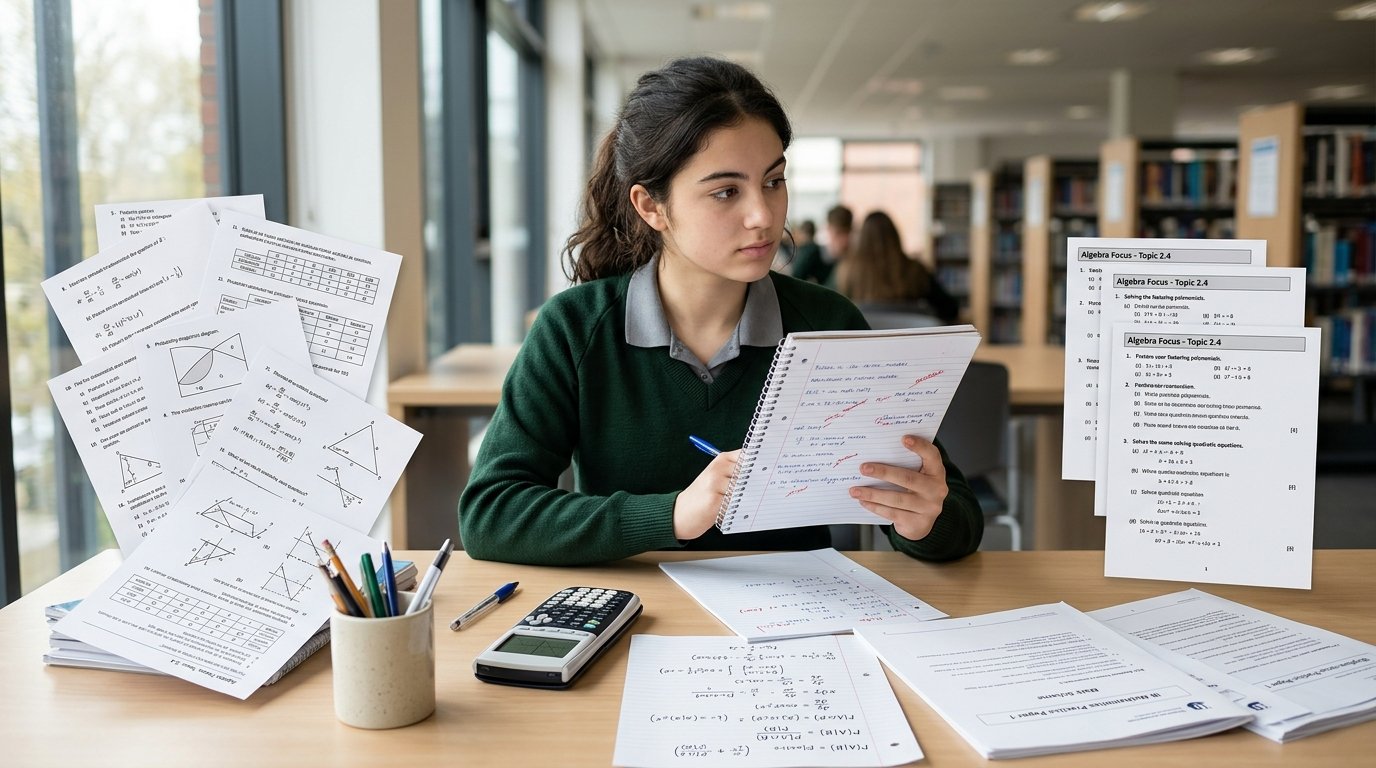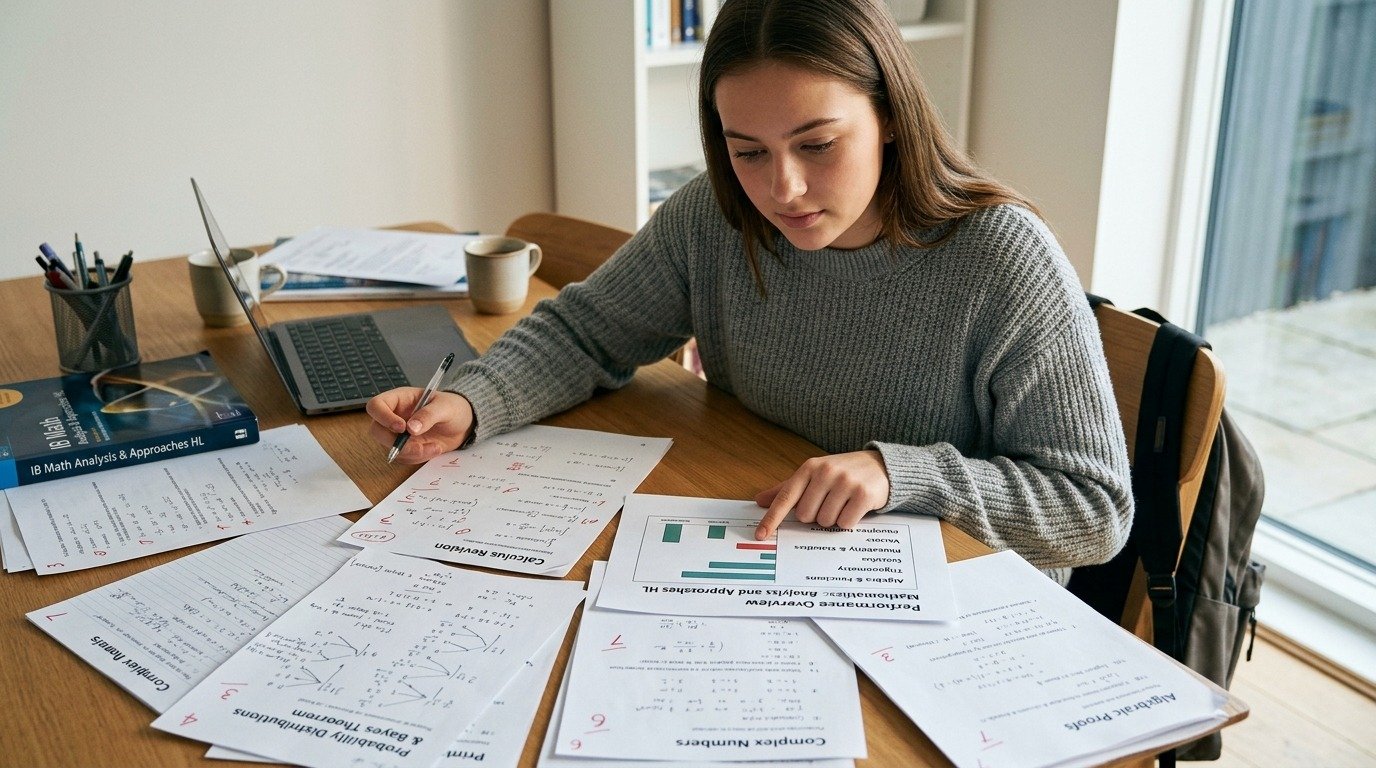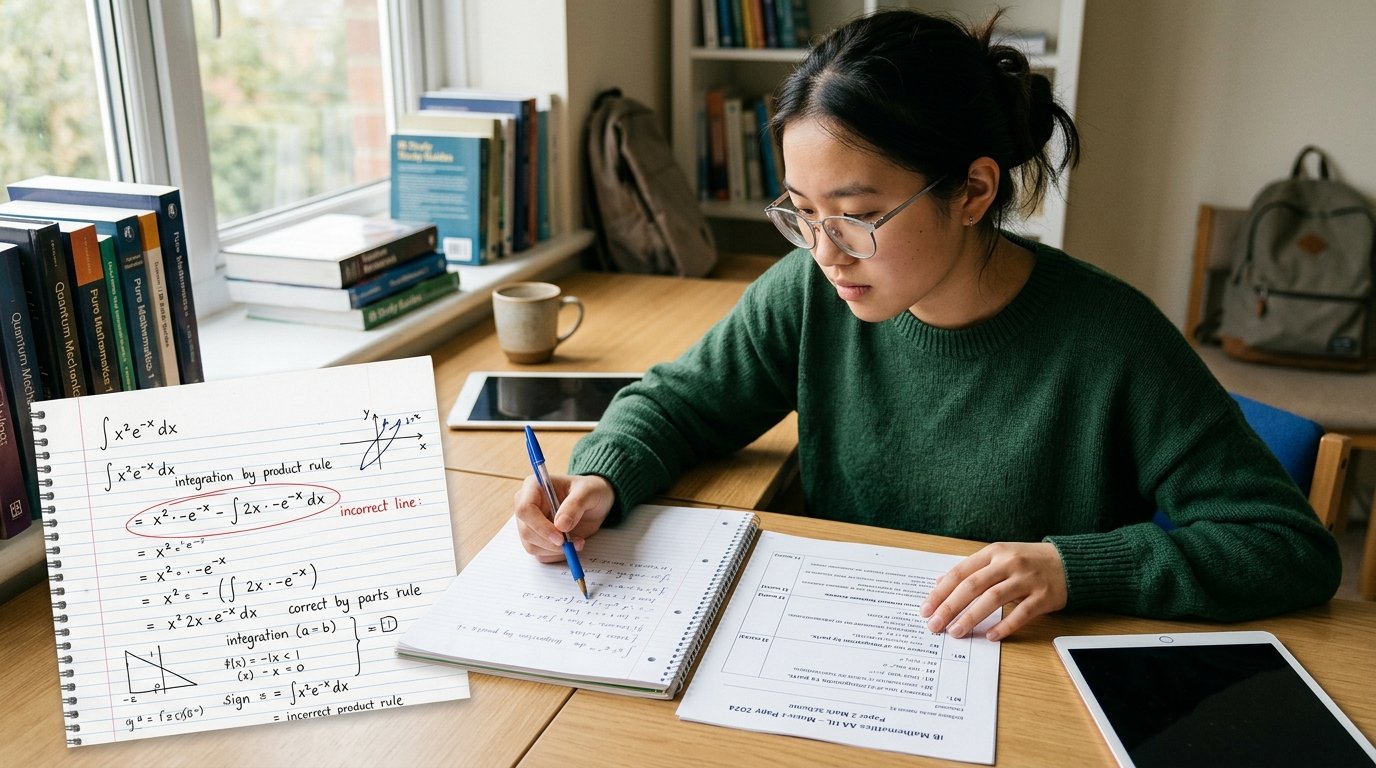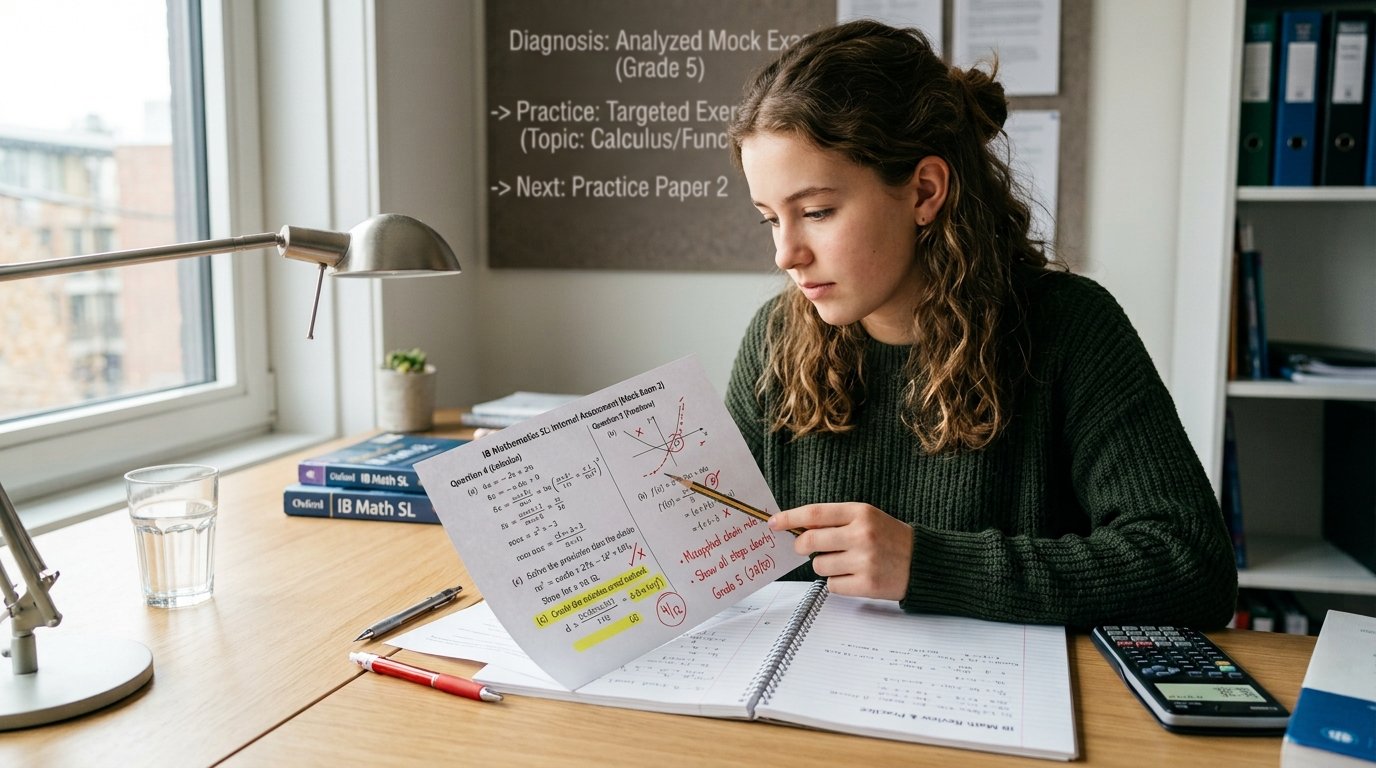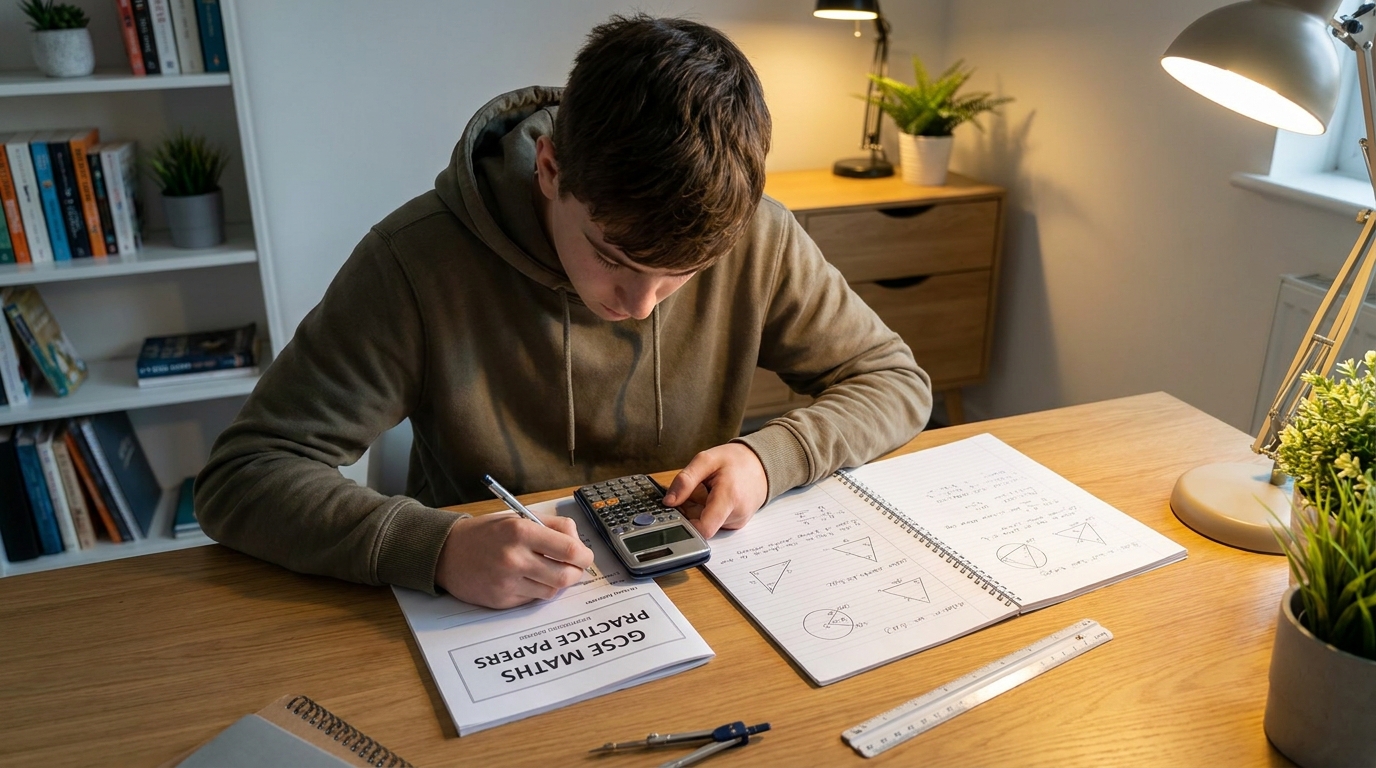
Practicing GCSE maths questions is one of the most effective ways to improve exam performance. By working through different question types and understanding solutions, students can build confidence and achieve higher grades in GCSE maths and IGCSE maths.
Table of Contents
Why GCSE Maths Questions Matter
GCSE math questions are the foundation of effective exam preparation. While understanding theory is important, applying that knowledge through practice is what truly determines success.
Students preparing for GCSE maths and IGCSE maths exams often struggle not because they lack knowledge, but because they are unfamiliar with how questions are structured. Practicing a wide range of GCSE maths questions helps bridge this gap.
From an E.E.A.T. perspective, consistent practice reflects real experience and builds expertise. Students who regularly solve GCSE maths questions develop stronger problem-solving skills and gain confidence in handling exam pressure.
Another key benefit is pattern recognition. Many GCSE maths questions follow similar formats. By practicing regularly, students learn to quickly identify the correct approach.
GCSE Math Questions with Answers
Here are some essential GCSE maths questions with clear explanations.
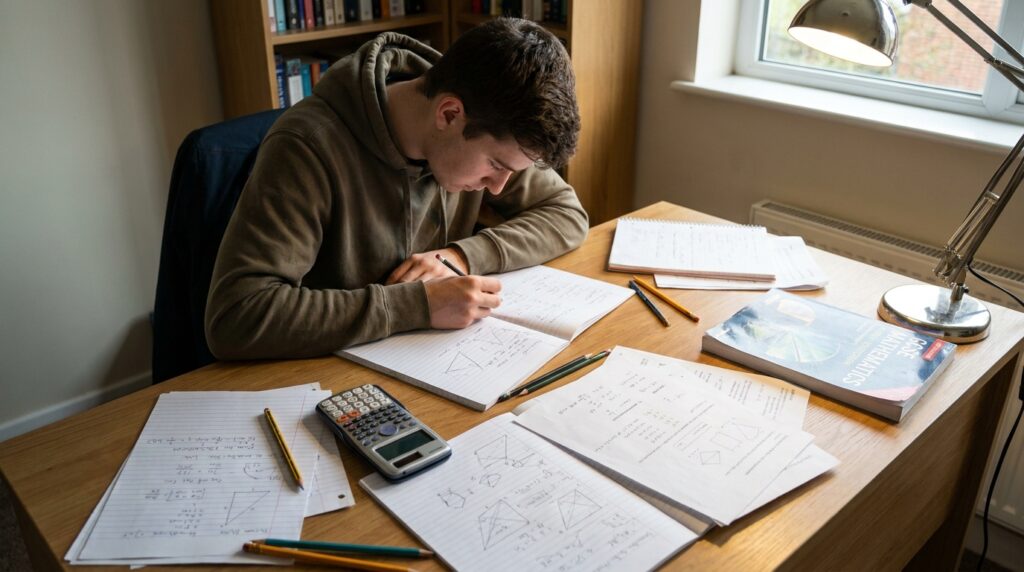
Question 1: Algebra
Solve:
2x + 5 = 17
Answer:
2x = 12
x = 6
Question 2: Geometry
Find the area of a circle with radius 7 cm.
Answer:
Area = π × r²
= π × 49
≈ 153.94 cm²
Question 3: Percentages
Find 20% of 150.
Answer:
20% = 0.2
0.2 × 150 = 30
Question 4: Ratio
Divide £60 in the ratio 2: 3.
Answer:
Total parts = 5
Each part = 12
Amounts = £24 and £36
Question 5: Probability
A bag contains 3 red and 2 blue balls. Find the probability of picking a red ball.
Answer:
Total = 5
Probability = 3/5
Question 6: Graphs
Find the gradient of a line passing through (2, 3) and (6, 11).
Answer:
Gradient = (11−3)/(6−2) = 8/4 = 2
These GCSE maths questions represent common exam topics and help build a strong foundation.
What Works: How to Practice Effectively
To get the most out of GCSE math questions, students must use smart strategies.
Start with Basic Questions
Begin with easier questions to build confidence before moving to advanced problems.
Practice Daily
Consistency is more important than intensity. Daily practice leads to steady improvement.
Mix Topics
Practicing a variety of topics ensures balanced preparation.
Review Mistakes
Analyzing mistakes helps prevent repetition and strengthens understanding.
Use timed practice.
Simulating exam conditions improves speed and accuracy.
Gradually Increase Difficulty
Move from foundation-level questions to higher-tier challenges.
Trade-offs and Common Mistakes
While practicing GCSE math questions is essential, students should avoid common pitfalls.
Repeating the Same Questions
Doing the same questions repeatedly limits exposure to new problem types.
Ignoring Weak Areas
Focusing only on strengths can lead to gaps in knowledge.
Rushing Through Practice
Speed without accuracy reduces effectiveness.
Not Checking Answers
Skipping review prevents learning from mistakes.
Lack of Strategy
Random practice without a plan can waste time.
GCSE vs IGCSE Questions
GCSE math questions and IGCSE maths questions are similar but not identical.
GCSE questions often follow structured formats aligned with UK exam boards. They focus on clarity and step-by-step problem-solving.
IGCSE maths questions may include more complex and unfamiliar problems. They often require deeper reasoning and adaptability.
Practicing both types of questions can give students a competitive advantage and improve overall performance.
Next Steps for Students
To excel in GCSE math questions, students should take a structured approach.
Start by creating a daily practice routine. Use a mix of textbooks, online resources, and past papers.
Track your progress and identify areas for improvement. Seek help when needed and stay consistent in your efforts.
Remember, improvement comes with practice and persistence.
FAQ About GCSE Math Questions
How many GCSE math questions should I practice daily?
Students should aim for 20–30 questions daily, depending on difficulty level.
Are GCSE maths questions enough to pass the exam?
Yes, if combined with understanding concepts and consistent revision.
Where can I find more GCSE maths questions?
Past papers, textbooks, and online platforms provide a wide range of practice questions.
Conclusion
GCSE maths questions are the key to mastering the subject and achieving high exam scores. By practicing regularly, understanding solutions, and avoiding common mistakes, students can significantly improve their performance.
Success in GCSE maths and IGCSE maths is built on consistent effort and smart strategies. With the right approach, every student has the potential to excel.
🚀 Join Mathzem and Practice GCSE Maths Questions Like a Pro
Want unlimited access to high-quality GCSE maths questions with step-by-step solutions?
Boost your confidence and achieve top grades with expert-designed resources.
👉 Start now:
https://mathzem.com/membership-pricing/