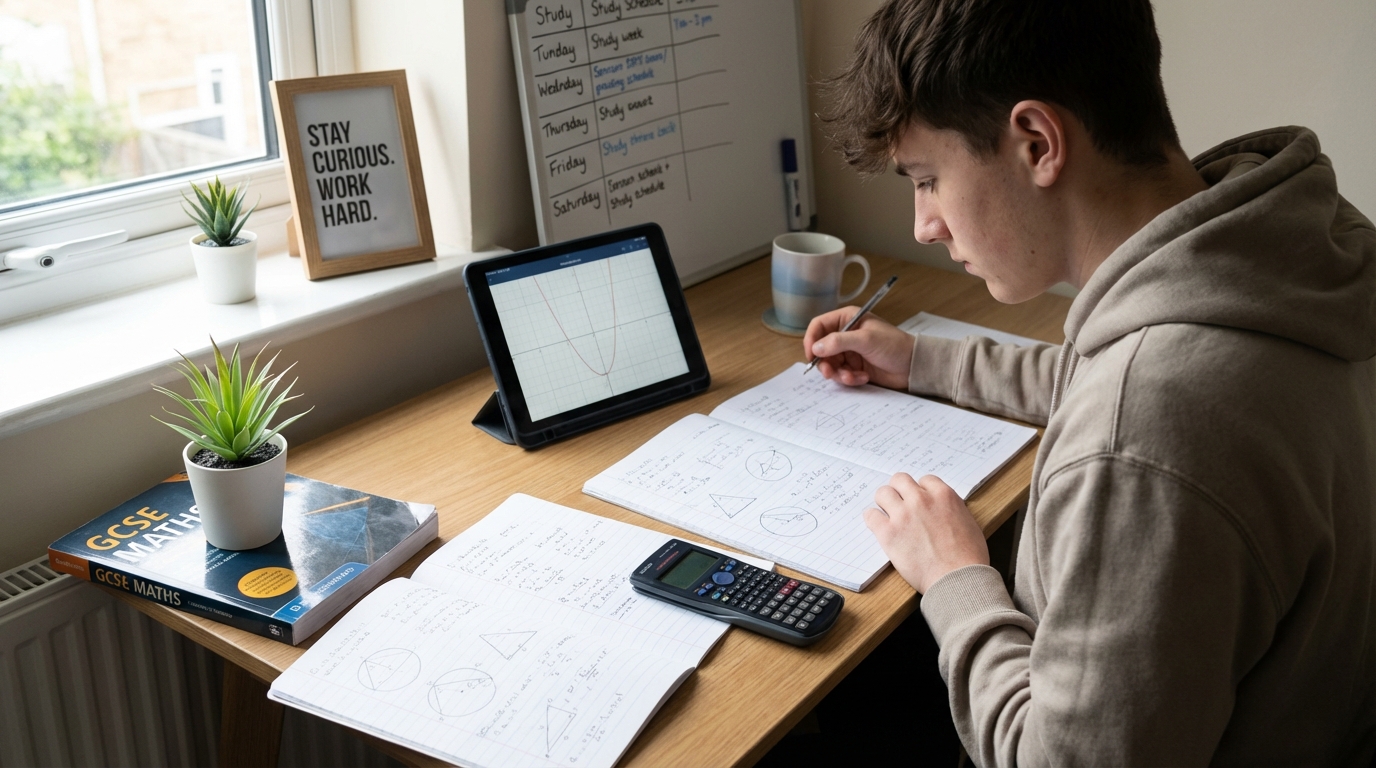
GCSE Math guide and IGCSE Math are essential qualifications that require a strong understanding of core mathematical concepts, consistent practice, and strategic exam preparation. By focusing on the curriculum, practicing past papers, and avoiding common mistakes, students can significantly improve their performance and achieve top grades.
Table of Contents
Why GCSE Math Guide and IGCSE Math Matter
GCSE Math and IGCSE Math are among the most important academic qualifications for students worldwide. These courses not only build a solid mathematical foundation but also play a crucial role in shaping future academic and career opportunities. Whether a student plans to pursue science, engineering, business, or even creative fields, mathematical literacy is essential.
GCSE Math is primarily designed for students in the UK education system, while IGCSE Math caters to an international audience. Despite their structural similarities, both qualifications emphasize problem-solving, logical reasoning, and real-world application of mathematical concepts.
Understanding the GCSE Math Curriculum
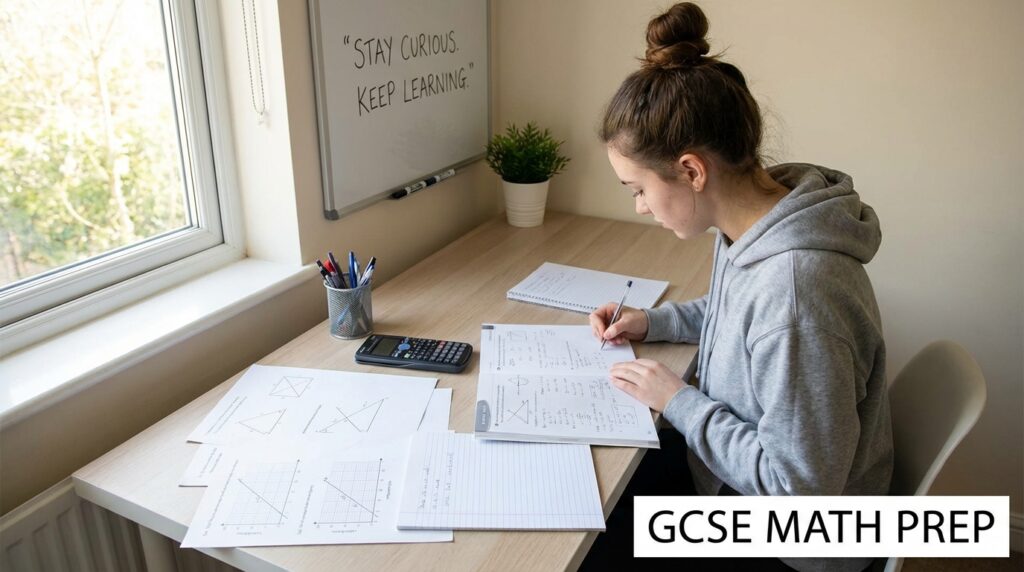
The GCSE math curriculum is divided into several core areas that ensure comprehensive mathematical understanding.
1. Number
Students learn about fractions, decimals, percentages, and basic arithmetic operations. This forms the foundation for all other topics.
2. Algebra
Algebra includes solving equations and inequalities and working with sequences. Higher-tier students encounter quadratic equations and functions.
3. Ratio and Proportion
This section focuses on scaling, rates of change, and proportional reasoning—skills widely used in real-life scenarios.
4. Geometry and Measures
Topics include shapes, angles, area, volume, and trigonometry. Visualization and spatial reasoning are key here.
5. Probability
Students learn how to calculate and interpret probabilities in different contexts.
6. Statistics
This involves data collection, representation, and analysis using graphs and charts.
The IGCSE math curriculum mirrors these topics but often includes more challenging problem-solving elements and international contexts.
GCSE Math vs IGCSE Math: Key Differences
While GCSE Math and IGCSE Math share many similarities, there are notable differences that students should understand.
GCSE Math typically includes coursework and is aligned with the UK national curriculum. It offers two tiers: Foundation and Higher, allowing students to choose based on their ability level.
IGCSE Math, on the other hand, is more flexible and internationally recognized. It often places greater emphasis on independent problem-solving and may include additional topics or variations in question style.
Another key difference lies in assessment. GCSE exams are standardized across UK exam boards like Edexcel and AQA, whereas IGCSE exams may vary depending on the awarding body, such as Cambridge or Pearson Edexcel.
Understanding these differences helps students tailor their study strategies effectively.
What Works: Proven Study Strategies
Achieving success in GCSE Math and IGCSE Math requires more than just understanding concepts. It demands a strategic approach to learning and revision.
Active Practice Over Passive Reading
Simply reading textbooks is not enough. Students should actively solve problems daily to reinforce their understanding.
Use of Past Papers
Practicing past papers is one of the most effective ways to prepare. It familiarizes students with exam formats and question patterns.
Spaced Repetition
Revisiting topics at regular intervals helps improve long-term retention.
Focus on Weak Areas
Identifying and improving weak areas can significantly boost overall performance.
Time Management
Practicing under timed conditions prepares students for the pressure of real exams.
Conceptual Understanding
Instead of memorizing formulas, students should aim to understand the logic behind them.
Trade-offs and Common Mistakes
Many students struggle with GCSE Math and IGCSE Math due to avoidable mistakes.
Over-Reliance on Memorization
Memorizing formulas without understanding their application can lead to errors in unfamiliar questions.
Ignoring Past Papers
Some students underestimate the importance of past papers, missing out on valuable exam insights.
Poor Time Allocation
Spending too much time on difficult questions can cost marks on easier ones.
Lack of Consistency
Irregular study habits can hinder progress and retention.
Exam Anxiety
Stress and anxiety can negatively impact performance, even for well-prepared students.
Recognizing these pitfalls allows students to adopt more effective strategies.
How to Use Past Papers Effectively
Past papers are a powerful tool when used correctly.
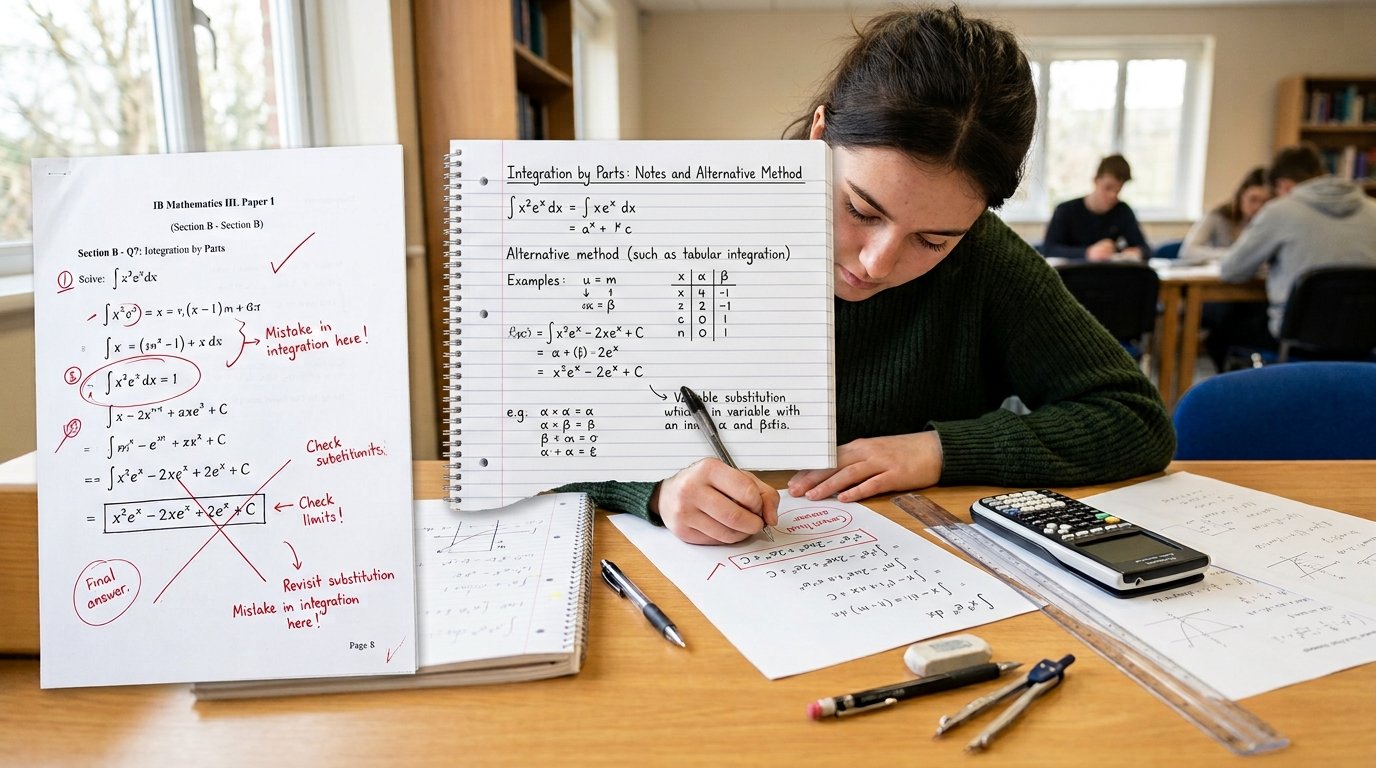
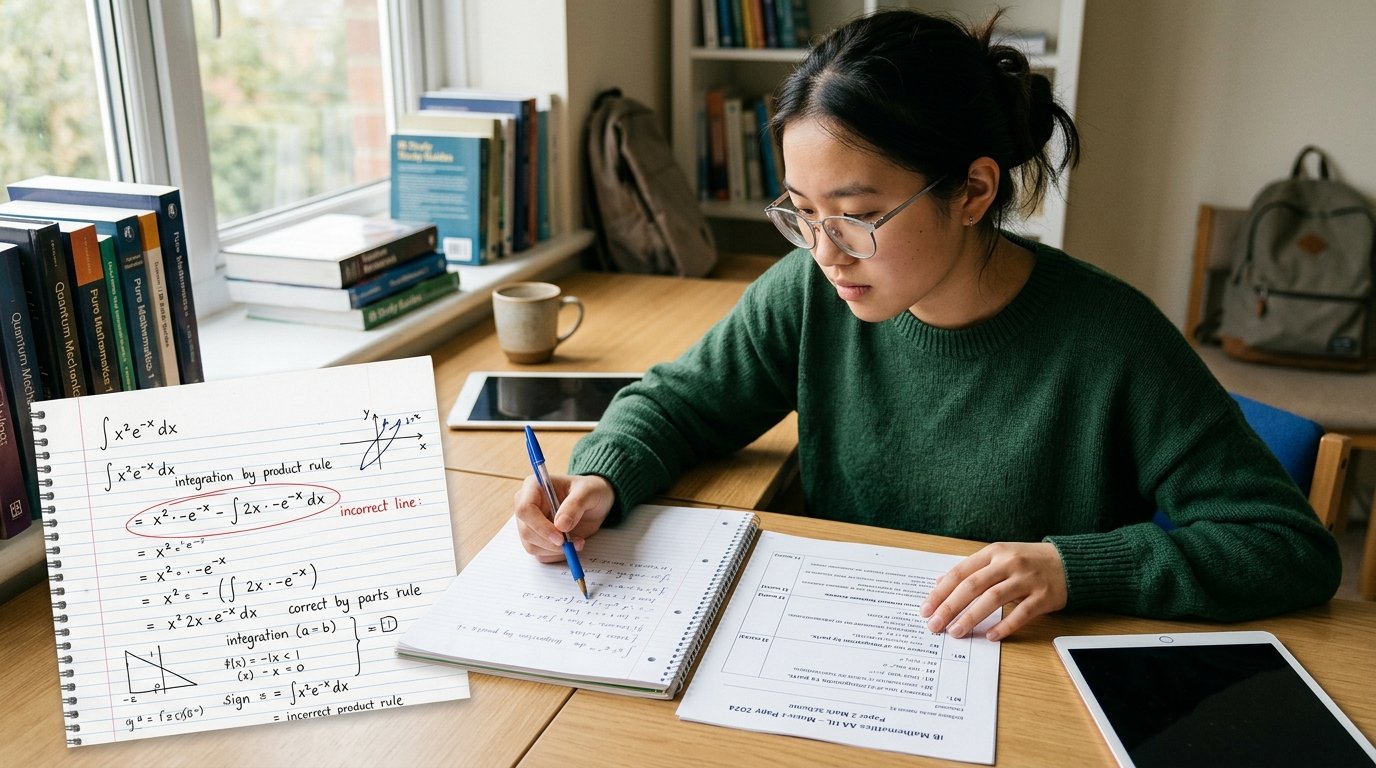
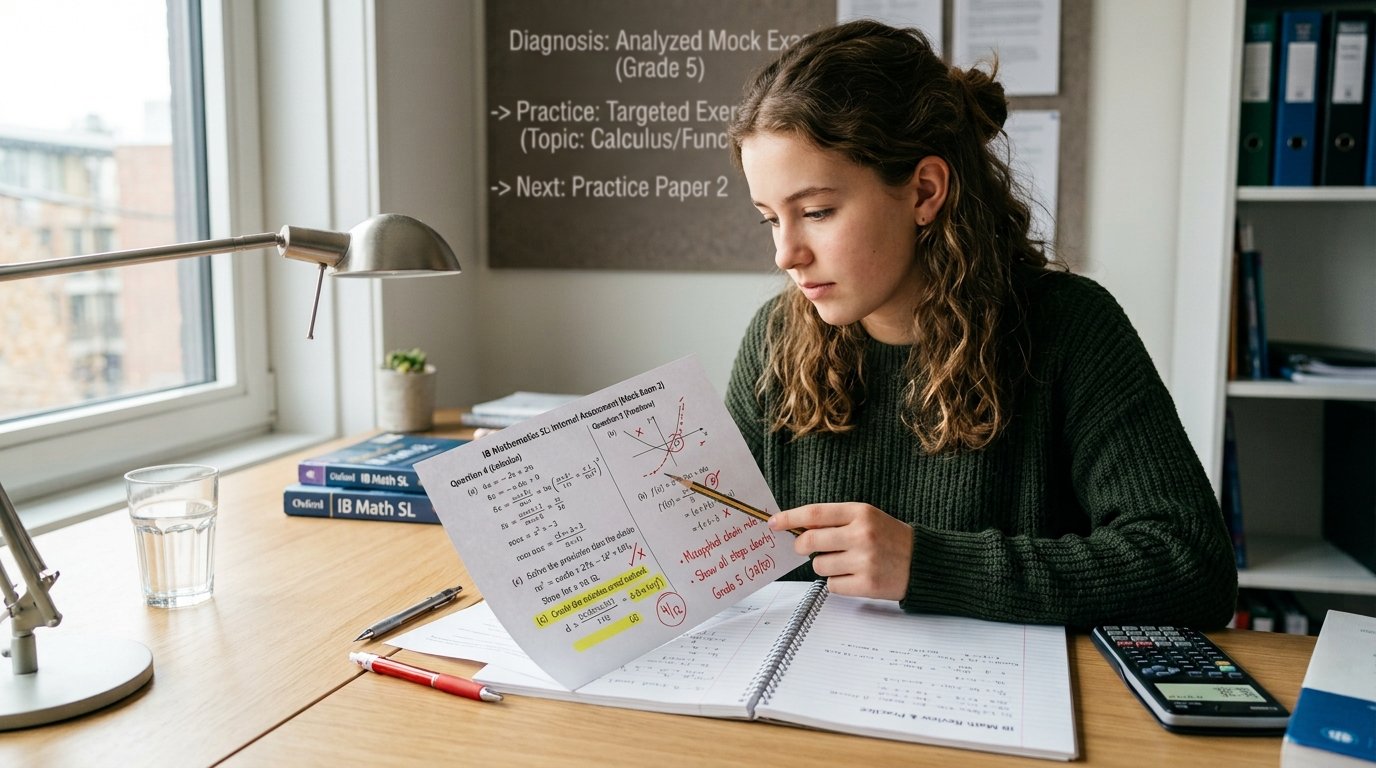
Start by attempting papers under exam conditions. This helps build confidence and time management skills. After completing a paper, review mistakes thoroughly to understand where you went wrong.
It is also beneficial to categorize mistakes into conceptual errors, calculation errors, and time management issues. This structured approach enables targeted improvement.
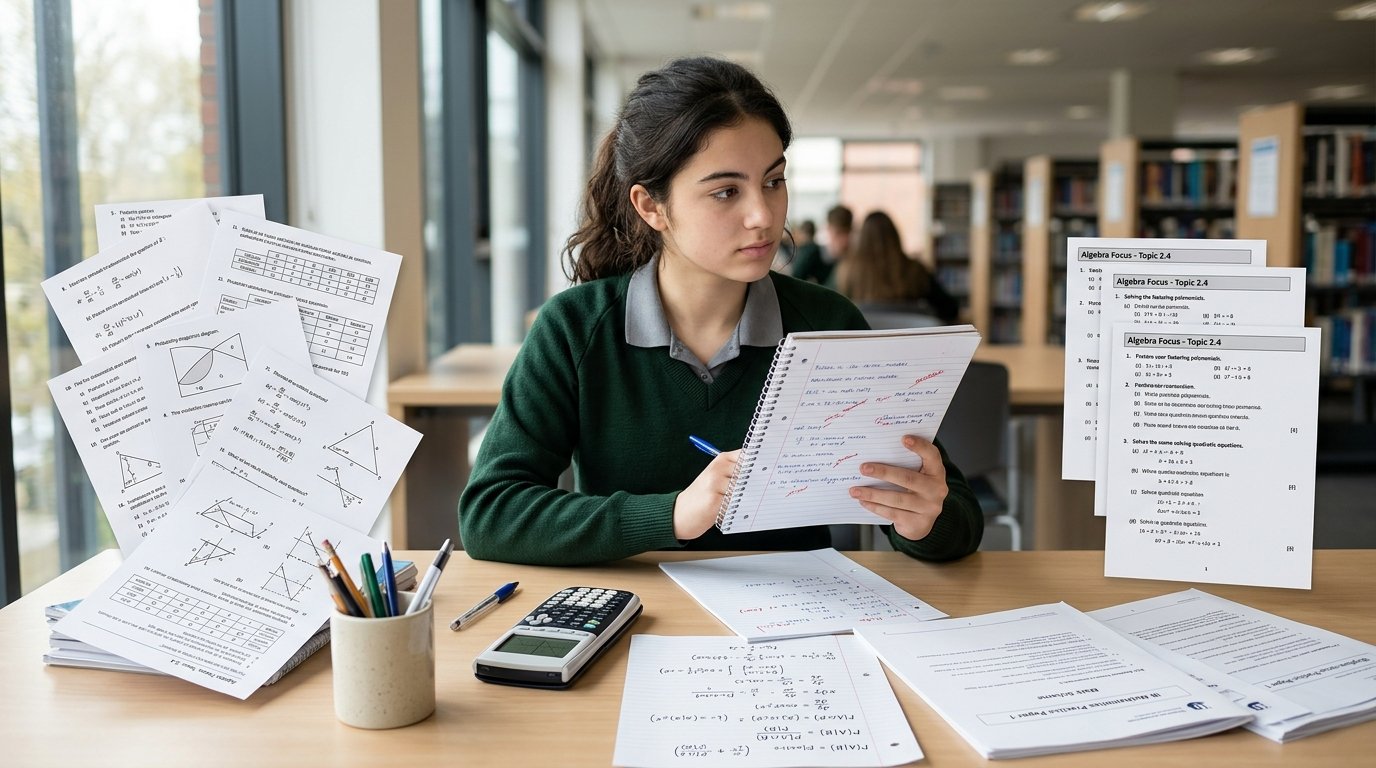
Students should aim to complete multiple past papers from different exam boards to gain exposure to varied question styles.
Next Steps for Students
To excel in GCSE Math and IGCSE Math, students should follow a structured plan.
Begin by assessing your current level and identifying strengths and weaknesses. Create a realistic study schedule that includes daily practice and regular revision sessions.
Utilize online resources, video tutorials, and practice platforms to enhance learning. Joining study groups or seeking guidance from teachers can also provide additional support.
Consistency and discipline are key. Even small daily efforts can lead to significant improvements over time.
FAQ About GCSE Math Guide
What is the difference between GCSE Math and IGCSE Math?
GCSE Math is UK-based, while IGCSE Math is internationally recognized with slightly more advanced problem-solving elements.
How many papers are there in GCSE Math?
Typically, there are three papers: one non-calculator and two calculator papers.
Are past papers enough to pass GCSE Math?
Past papers are essential but should be combined with strong conceptual understanding and regular revision.
Conclusion
GCSE math and IGCSE math are fundamental qualifications that require dedication, strategic preparation, and consistent practice. By understanding the curriculum, leveraging past papers, and avoiding common mistakes, students can significantly improve their chances of success.
Success in these exams is not about last-minute cramming but about building a strong foundation over time. With the right approach, achieving top grades is entirely possible
Ready to boost your GCSE math and IGCSE math performance?
👉 Join our premium learning platform for expert guidance, practice materials, and step-by-step solutions:
https://mathzem.com/membership-pricing/


One Response