Understanding the difference in IB Maths HL vs SL difficulty is essential when choosing the right level. Many students underestimate how demanding Higher Level (HL) can be, while others may overlook the challenges of Standard Level (SL).
If you’re trying to decide which option suits you best, this guide will break down the key differences in difficulty, workload, and exam expectations, especially for students in competitive academic environments like Denmark and Switzerland.
Table of Contents
What Does “Difficulty” Mean in IB Maths?
Difficulty in IB Maths is not just about harder questions, it includes
- Depth of understanding
- Complexity of topics
- Time required for study
- Exam pressure
According to the International Baccalaureate Organization, HL courses are designed for students who want a deeper and more rigorous mathematical experience.
1. Content Depth: HL Goes Much Further
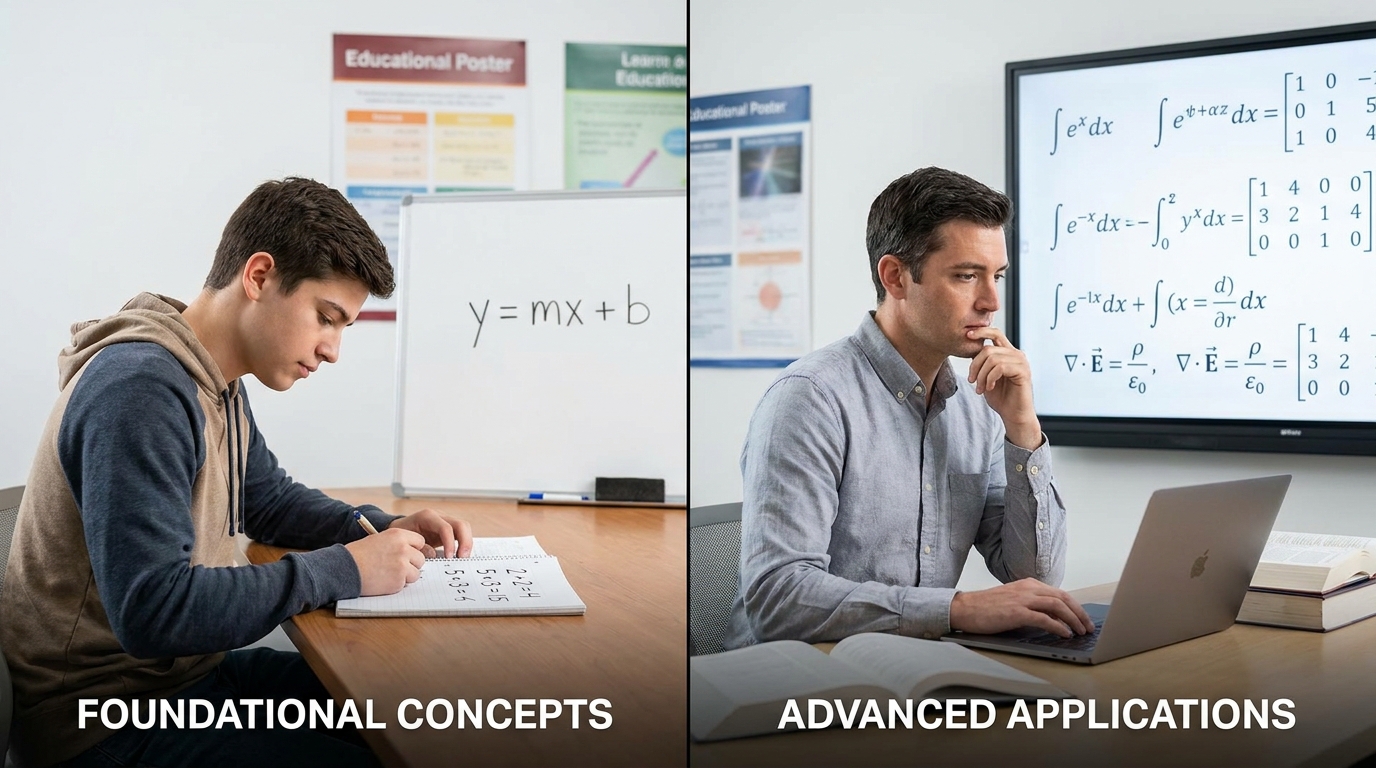
The biggest difference in IB Maths HL vs SL difficulty is the depth of content.
SL (Standard Level):
- Covers core concepts
- Focuses on application
- Suitable for most students
HL (Higher Level):
- Includes advanced topics
- Requires deeper understanding
- More abstract and theoretical
HL students must go beyond basic problem-solving.
2. Topics Covered
Both levels share some topics, but HL includes additional material.
SL Topics:
- Algebra
- Functions
- Basic calculus
- Statistics
HL Additional Topics:
- Advanced calculus
- Vectors
- Proof techniques
- Complex numbers
This makes HL significantly more demanding.
3. Time Commitment
HL requires more study time than SL.
- SL: ~150 hours
- HL: ~240 hours
This difference impacts your overall workload during the IB programme.
4. Exam Difficulty
Exam questions in HL are more complex.
SL Exams:
- Focus on standard applications
- More predictable question types
HL Exams:
- Include challenging, unfamiliar problems
- Require deeper reasoning
HL exams test both knowledge and adaptability.
5. Paper Structure Differences
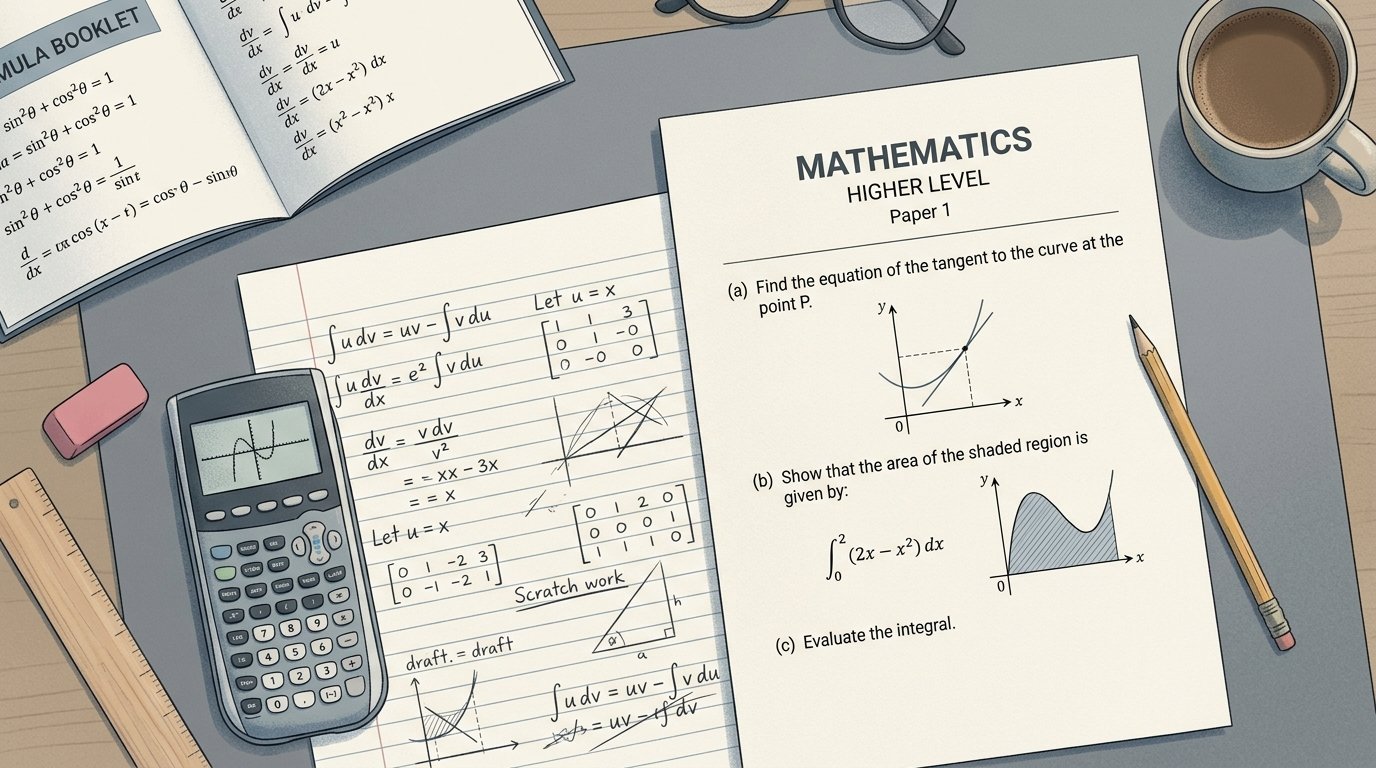
HL students have an additional exam paper.
- SL: Paper 1 + Paper 2 + IA
- HL: Paper 1 + Paper 2 + Paper 3 + IA
Paper 3 adds another layer of difficulty with extended-response questions.
6. Skills Required for HL vs SL
SL Skills:
- Strong basics
- Good problem-solving
- Consistent practice
HL Skills:
- Advanced reasoning
- Ability to handle abstract concepts
- Strong algebra and calculus foundation
HL demands a higher level of mathematical thinking.
7. Which One Feels Harder?
For most students, HL is clearly harder.
However, difficulty also depends on:
- Your interest in math
- Your study habits
- Your prior knowledge
A motivated student may find HL manageable, while others may struggle.
8. University Requirements
Your choice should also depend on future goals.
HL Recommended for:
- Engineering
- Economics
- Science
SL Suitable for:
- Business
- Humanities
- Arts
Many universities in Europe prefer HL for competitive courses.
9. Common Mistakes When Choosing
Avoid these common errors:
- ❌ Choosing HL without strong fundamentals
- ❌ Underestimating HL workload
- ❌ Ignoring university requirements
- ❌ Following friends instead of personal ability
Choosing the wrong level can lead to unnecessary stress.
How to Succeed in Either Level
Key strategies:
- Practice consistently
- Focus on understanding
- Use past papers
- Manage your time effectively
These habits are essential regardless of your level.
Micro FAQs About IB Maths HL vs SL Difficulty
Is IB Maths HL much harder than SL?
Yes, HL is significantly more challenging due to advanced topics and deeper understanding required.
Can I switch from HL to SL?
Yes, in most cases early in the course, but switching to HL later is more difficult.
Do universities prefer HL over SL?
For math-related courses, HL is usually preferred.
Final Thoughts
The difference in IB Maths HL vs SL difficulty is significant, but the right choice depends on your goals, abilities, and commitment. HL offers more opportunities but requires greater effort, while SL provides a balanced approach.
If you want structured support and expert-level preparation for either level:
Start here:
https://mathzem.com/membership-pricing/