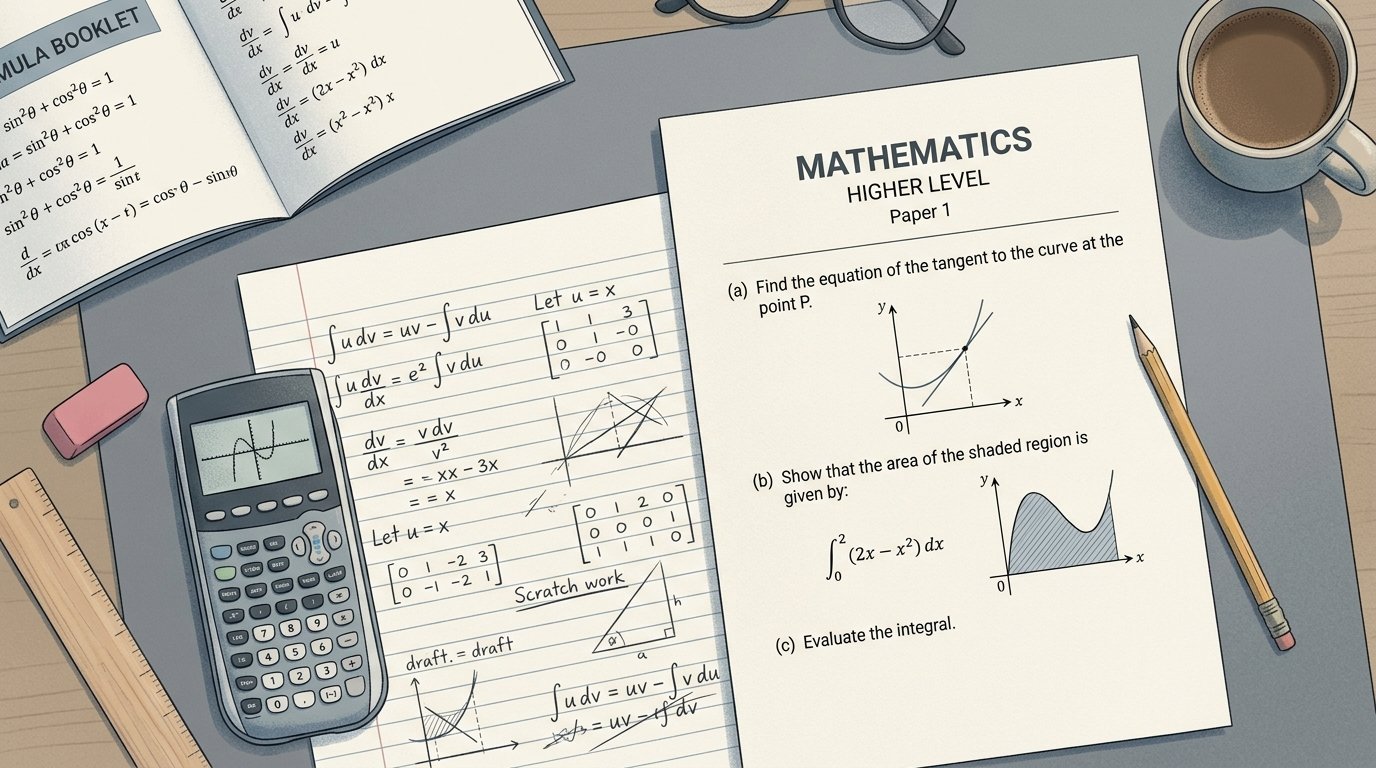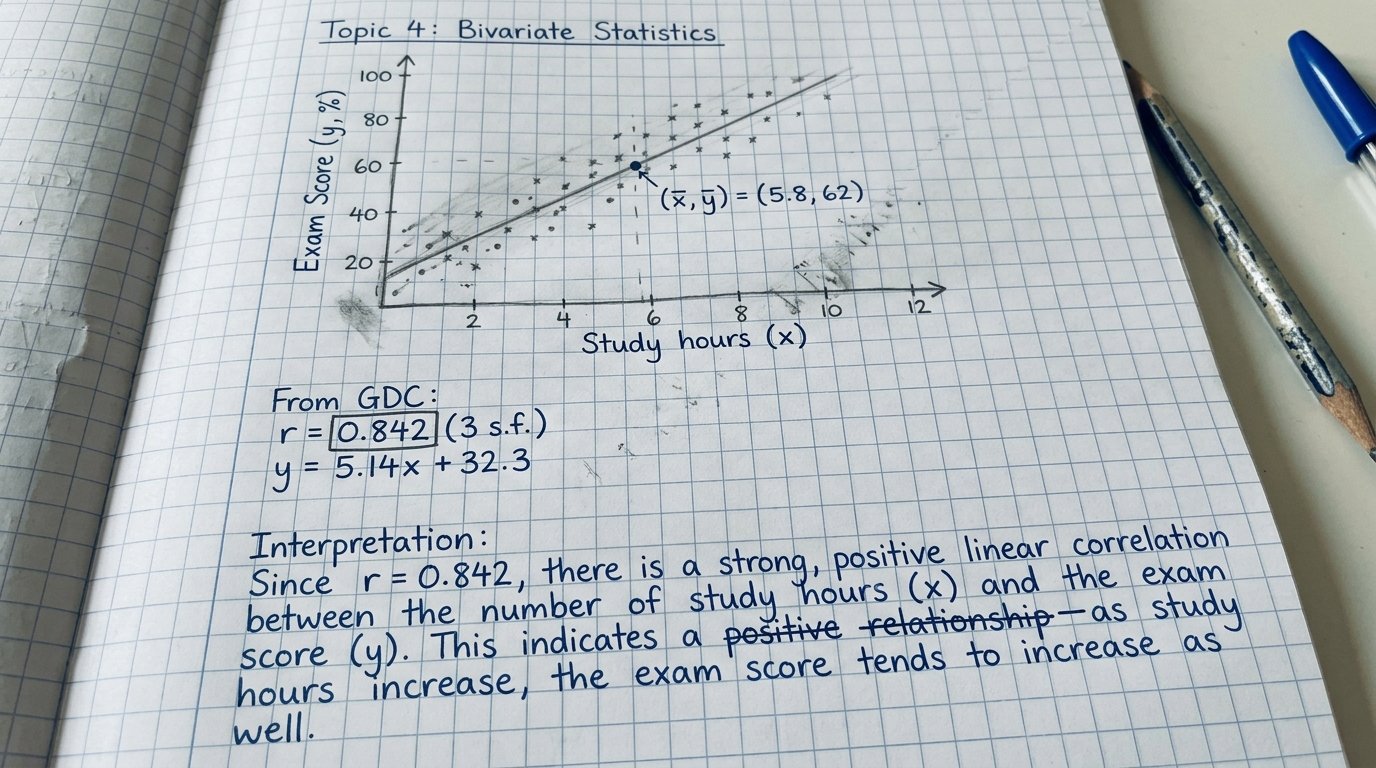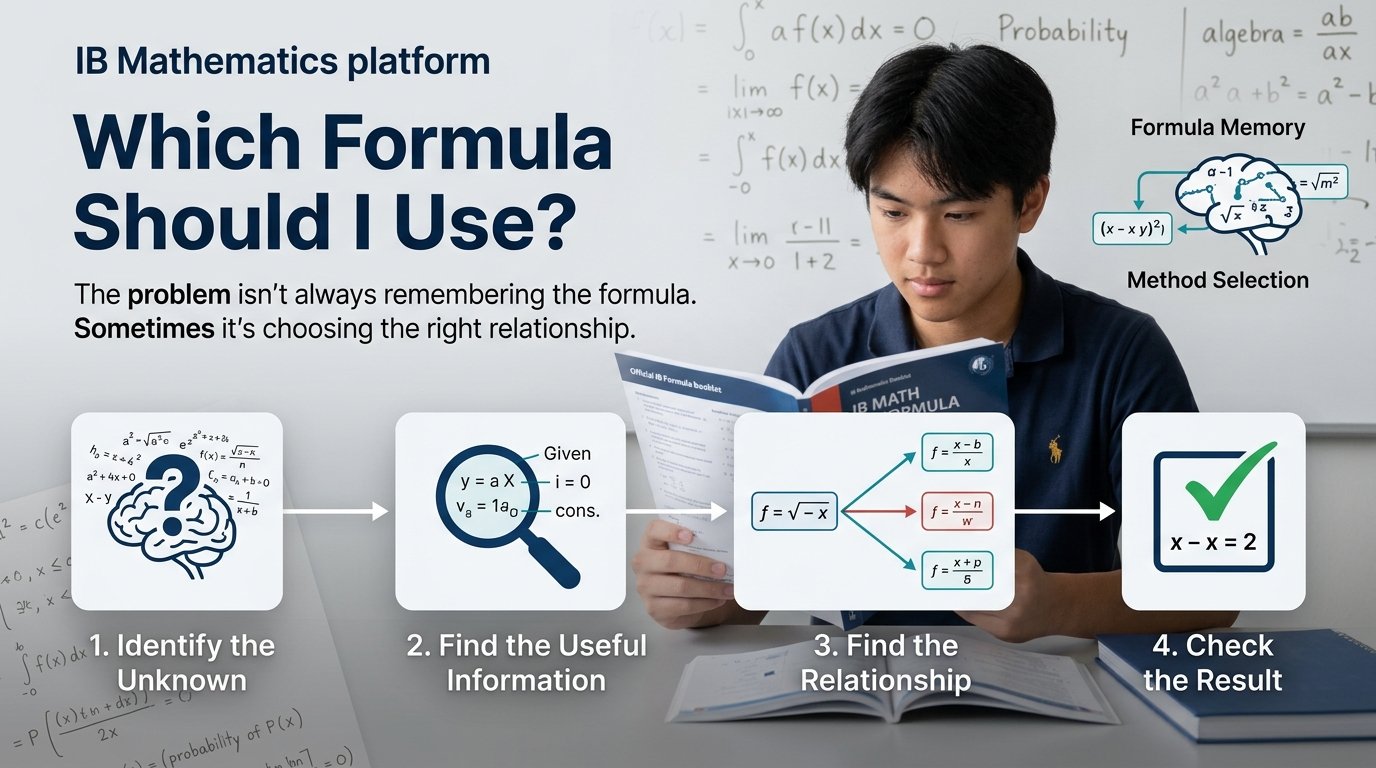
Understanding functions in IB Maths is essential for success in both SL and HL. Functions form the foundation for many other topics, including calculus, algebra, and modeling real-world situations.
Whether you’re just starting or looking to improve your performance, mastering functions will significantly boost your confidence and exam results especially in competitive academic environments like Denmark and Switzerland.
Table of Contents
What are functions in IB Maths?
In simple terms, a function describes a relationship between inputs and outputs.
Each input has exactly one output, making functions predictable and useful in solving mathematical problems.
According to the International Baccalaureate Organization, students must understand how to:
- Define functions
- Interpret graphs
- Apply functions in real-world contexts
Types of Functions in IB Maths
There are several types of functions you need to know.
1. Linear Functions
- Straight-line graphs
- Form: y = mx + c
- Constant rate of change
2. Quadratic Functions
- Parabolic graphs
- Form: y = ax² + bx + c
- Maximum or minimum points
3. Exponential Functions
- Rapid growth or decay
- Used in finance and science
4. Trigonometric Functions
- Sine, cosine, tangent
- Periodic behavior
Understanding these types is essential for solving exam questions.

Understanding Graphs of Functions
Graphs are a key part of functions in IB math.
Key features to focus on:
- Intercepts (x and y)
- Maximum and minimum points
- Symmetry
- Shape of the graph
Being able to interpret graphs quickly is crucial in exams.
Function Transformations
Transformations change the position or shape of a graph.
Common transformations:
- Vertical shifts (up/down)
- Horizontal shifts (left/right)
- Reflections
- Stretches and compressions
Example:
- y = f(x) + 2 → shifts graph up
- y = f(x – 3) → shifts graph right
Understanding transformations helps you analyze graphs efficiently.
Why Functions Are Important in IB Maths
Functions appear in multiple topics, including:
- Calculus
- Algebra
- Modeling real-world problems
A strong understanding of functions makes other topics easier.
Common Challenges with Functions
Students often struggle with:
- Graph interpretation
- Transformations
- Connecting equations to graphs
Recognizing these challenges early helps you improve faster.
How to Study Functions Effectively
1. Practice Graphing Regularly
Draw graphs by hand to understand shapes and behavior.
2. Use Your Calculator
Learn how to graph functions quickly and accurately.
3. Solve Different Question Types
Practice:
- Sketching graphs
- Finding intersections
- Analyzing transformations
Using Past Papers for Functions
Past papers are one of the best ways to improve.
Focus on:
- Graph questions
- Transformation problems
- Application-based questions
Review your mistakes to avoid repeating them.
Common Mistakes to Avoid
Avoid these errors when studying functions:
❌ Confusing transformations
❌ Misreading graphs
❌ Forgetting key features (intercepts, turning points)
❌ Not labeling graphs properly
Being aware of these mistakes improves accuracy.
Tips to Improve Quickly
Simple strategy:
- Practice daily
- Focus on weak areas
- Review mistakes
- Use past papers
Consistency leads to steady improvement.
Micro FAQs About Functions in IB Maths
Are functions important in IB Maths?
Yes, functions are a core topic and appear in many exam questions.
How can I improve at functions in IB Maths?
Practice graphing, understand transformations, and solve exam-style questions.
Do functions appear in both SL and HL?
Yes, functions are included in both levels, with more depth in HL.
Final Thoughts
Mastering functions in IB Maths is essential for achieving high scores. By understanding concepts, practicing regularly, and applying exam strategies, you can significantly improve your performance.
If you want structured guidance and expert-level preparation:
👉 Start here:
https://mathzem.com/membership-pricing/