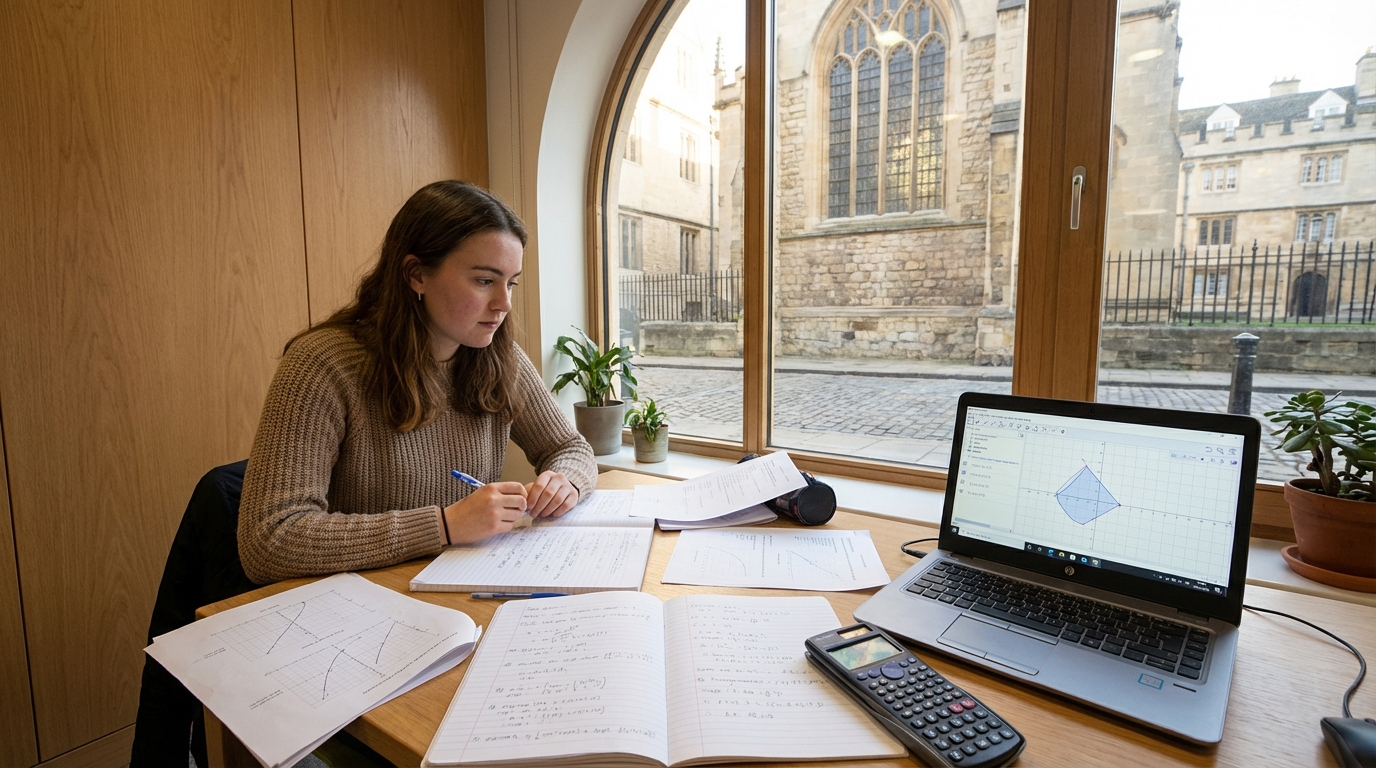
Knowing how to revise IB Maths effectively is one of the biggest challenges students face in the International Baccalaureate program. Unlike other subjects, IB Maths requires not only understanding but also consistent application, problem-solving skills, and strong exam technique. Whether you’re studying in Denmark, Switzerland, or elsewhere, the right revision strategy can significantly improve your results.
In this guide, we’ll break down proven IB Maths revision techniques that help students maximize efficiency, reduce stress, and perform better in exams.
Table of Contents
Why Most Students Struggle with IB Maths Revision
Before improving your revision strategy, it’s important to understand common mistakes:
- Passive revision (reading instead of solving)
- Lack of structured study plans
- Ignoring weak topics
- Over-reliance on memorization
According to the official curriculum by the International Baccalaureate Organization, IB Maths focuses heavily on applying concepts in unfamiliar contexts. This means traditional revision methods often fall short.
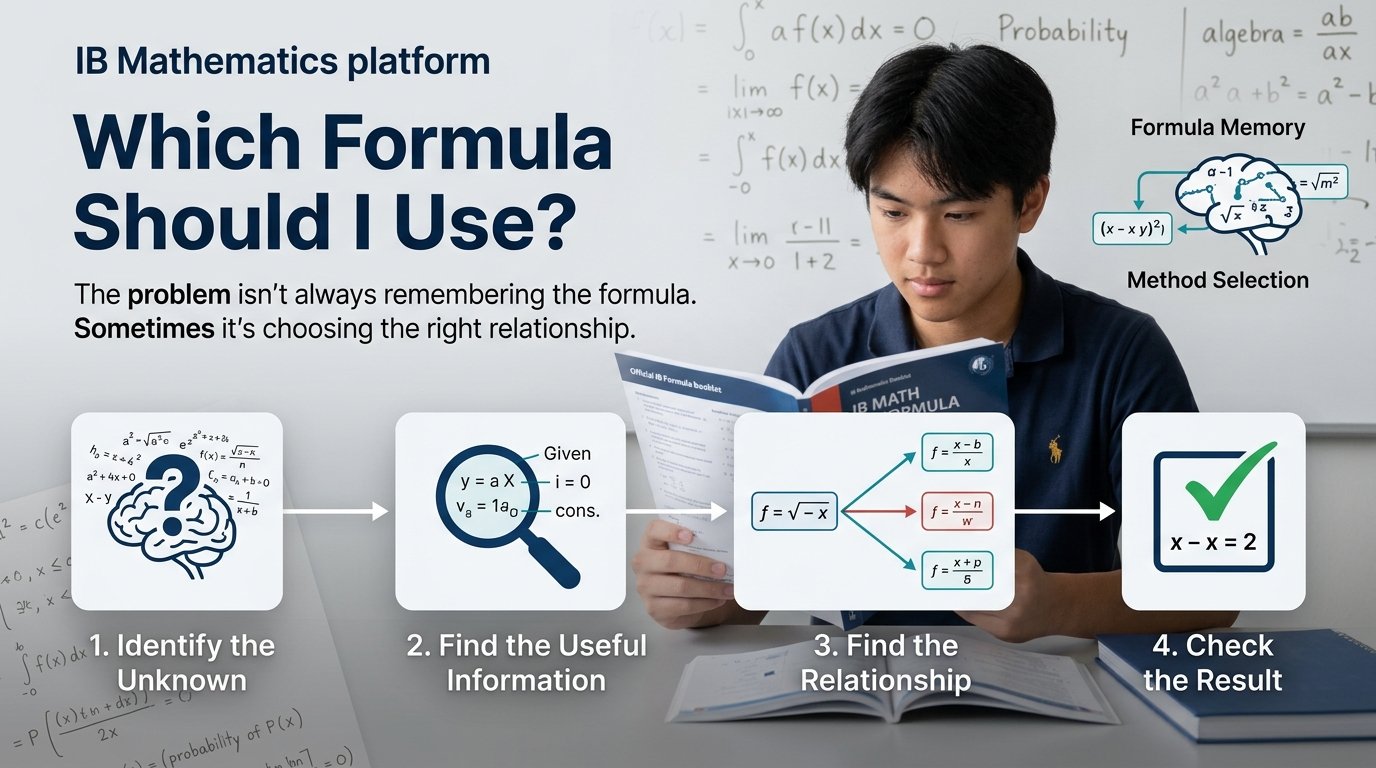
1. Focus on Understanding, Not Memorization
The first rule when learning how to revise IB Maths effectively is to prioritize understanding.
Instead of memorizing formulas, ask:
- Why does this formula work?
- When should I use it?
- How can it be applied differently?
This approach helps you adapt to complex exam questions, especially in HL topics.
2. Practice Active Problem Solving Daily
IB Maths is a skill-based subject. The only way to improve is through consistent practice.
Effective daily routine:
- Solve 5–10 problems per topic
- Mix easy and challenging questions
- Focus more on weak areas
Students who actively solve problems retain concepts longer and perform better under exam conditions.
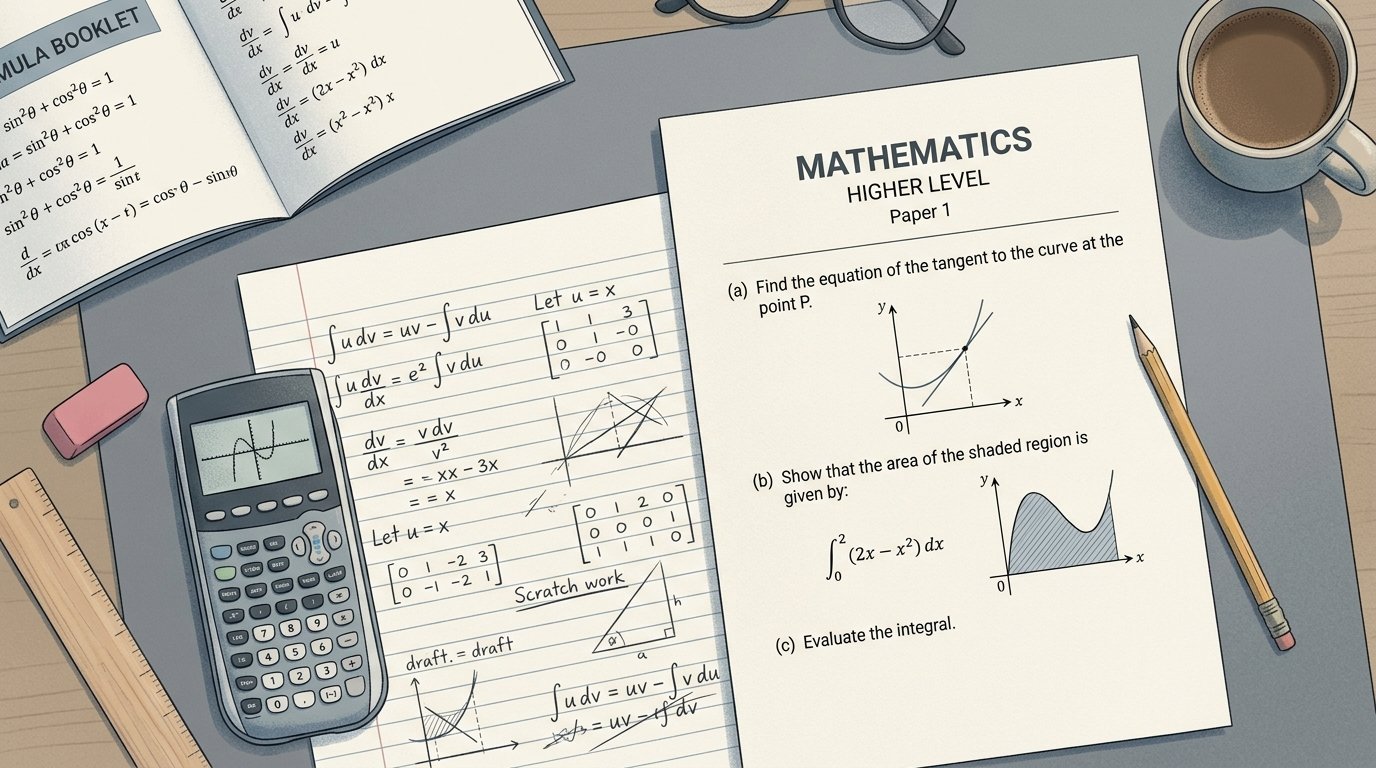
3. Use Past Papers the Right Way
Past papers are essential but only if used correctly.
Step-by-step method:
- Start with topic-specific questions
- Move to full exam papers
- Time yourself strictly
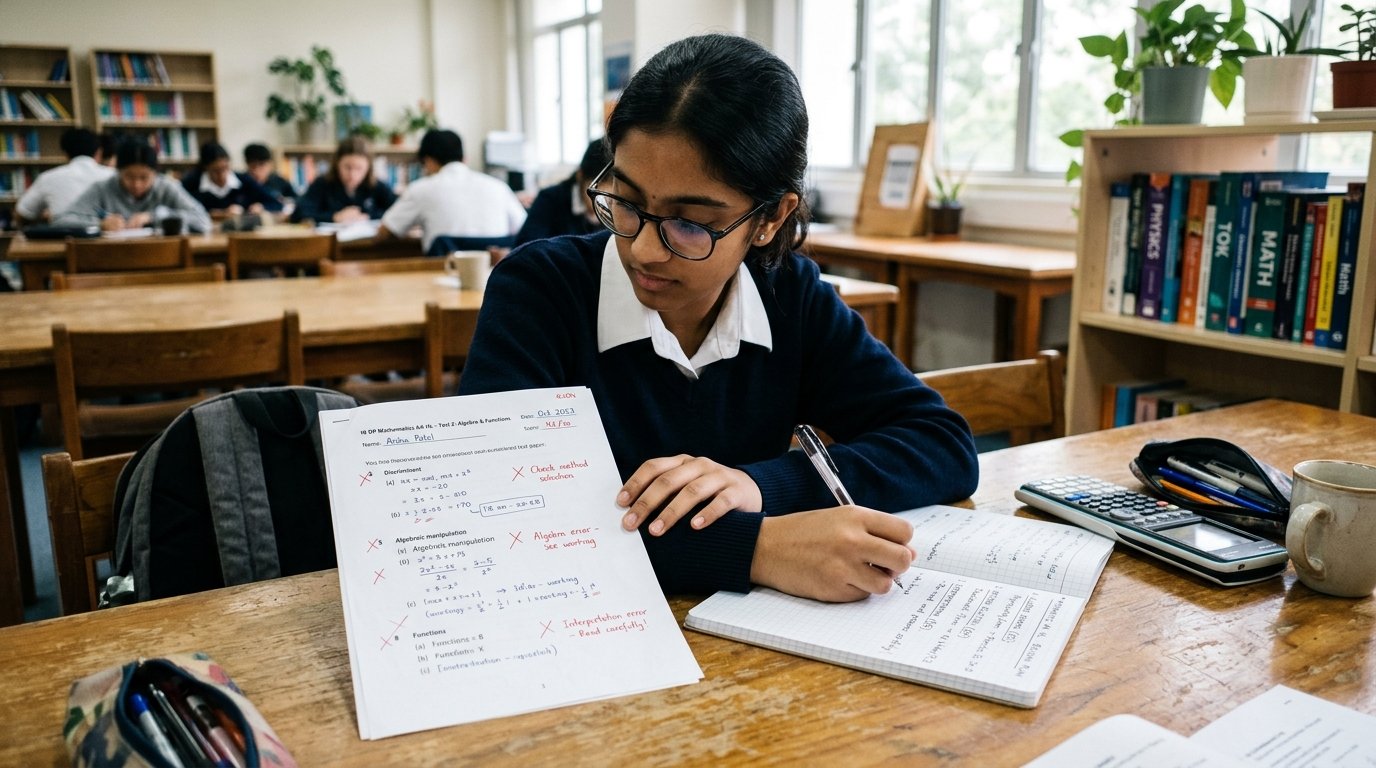
- Review mistakes in detail
Instead of just checking answers, analyze:
- What went wrong?
- Was it a concept issue or a careless mistake?
4. Create a Structured IB Maths Revision Plan
A well-organized plan is key to revising IB Maths effectively.
Sample weekly plan:
- Day 1: Algebra
- Day 2: Functions
- Day 3: Calculus
- Day 4: Statistics & Probability
- Day 5: Mixed practice
- Day 6: Past papers
- Day 7: Review weak areas
This ensures balanced coverage of all topics.
5. Prioritize Weak Areas First
One of the most overlooked IB Maths revision tips is focusing on weaknesses.
Ask yourself:
- Which topics do I avoid?
- Where do I lose marks consistently?
Improving weak areas leads to faster score improvement than repeating strengths.
6. Master Your Calculator Skills
Many IB Maths students underestimate the importance of calculator proficiency.
Make sure you can:
- Solve equations quickly
- Graph functions accurately
- Perform statistical calculations
Efficient calculator use saves time and reduces errors in exams.
7. Simulate Real Exam Conditions
To revise IB Maths effectively, you must practice under exam conditions.
Try this:
- Set a timer
- Work in silence
- Avoid distractions
- Complete full papers
This builds confidence and improves time management.
8. Use High-Quality Resources
Not all study materials are equally effective.
Choose resources that offer:
- Clear explanations
- Step-by-step solutions
- Exam-style questions
👉 For structured support and guided IB Maths revision, explore IB Maths preparation resources here:
https://mathzem.com/membership-pricing/
Using a dedicated platform can significantly improve consistency and understanding.
9. Learn from Marking Schemes
IB exams reward method marks, not just final answers.
Key takeaway:
Even if your answer is incorrect, you can still gain marks by:
- Showing correct steps
- Using proper formulas
- Demonstrating logical reasoning
Reviewing mark schemes helps you understand how examiners grade answers.
10. Stay Consistent and Avoid Burnout
Consistency is more important than intensity.
Smart habits:
- Study 1–2 hours daily
- Take short breaks
- Avoid last-minute cramming
Students in high-performing regions often succeed because of steady, disciplined revision—not overworking.
Common Mistakes to Avoid
Avoid these pitfalls when revising IB Maths:
❌ Only reading notes without practicing
❌ Ignoring difficult topics
❌ Not timing yourself
❌ Skipping past papers
❌ Relying on memorization
Fixing these mistakes can instantly improve your performance.
Micro FAQs About Revise IB Maths Effectively
How long should I revise IB Maths each day?
1–2 hours of focused practice daily is enough if done consistently.
Are past papers enough to revise IB Maths effectively?
They are essential but should be combined with concept learning and topic practice.
When should I start revising IB Maths?
Ideally, start at least 2–3 months before exams with a structured plan.
Final Thoughts
Learning how to revise IB Maths effectively is not about studying harder—it’s about studying smarter. By focusing on understanding, practicing consistently, and using the right strategies, you can significantly improve your results.
For students looking for structured guidance and expert-level preparation:
👉 Start your IB Maths journey here:
https://mathzem.com/membership-pricing/