Understanding the IB Maths exam structure is essential for effective preparation and high performance. Many students lose marks not because they lack knowledge, but because they don’t fully understand how the exam is organized.
Whether you are taking SL or HL, knowing the IB Maths exam format, types of questions, and marking system will help you approach the exam with confidence, especially in competitive regions like Denmark and Switzerland.
Table of Contents
Overview of IB Maths Exam Structure
The IB Maths exam structure consists of multiple papers designed to test different skills, including problem-solving, reasoning, and application.
According to the official guidelines from the International Baccalaureate Organization, assessment is divided into:
- External assessments (written exams)
- Internal assessment (exploration/IA)
Each component contributes to your final grade.
IB Maths Papers Explained
The IB Maths exam structure includes different papers depending on whether you are taking SL or HL.
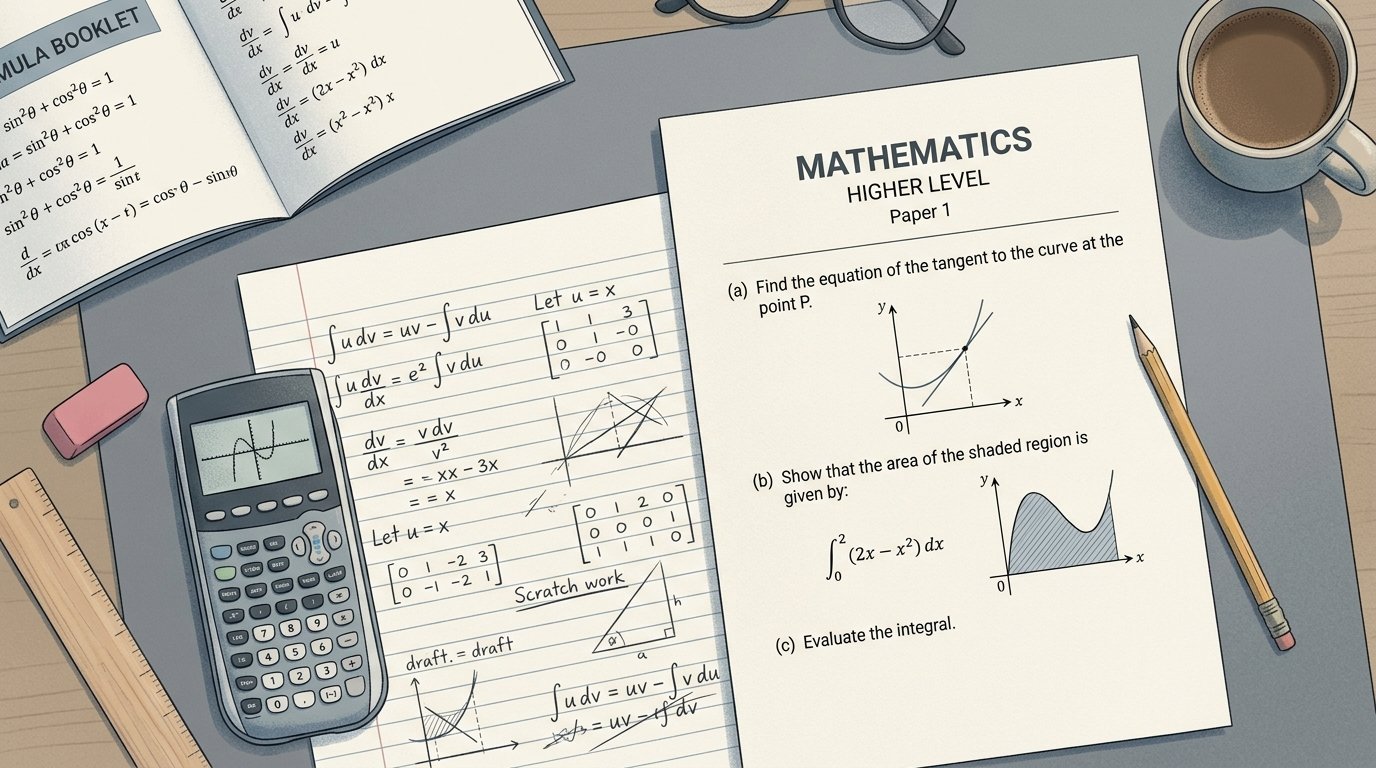
Paper 1 (Non-Calculator)
Key features:
- No calculator allowed
- Focus on algebra, functions, and basic concepts
- Tests fundamental understanding
Tips:
- Practice mental calculations
- Show all working clearly
- Avoid careless mistakes
Paper 2 (Calculator Allowed)
Key features:
- Calculator permitted
- More complex problem-solving
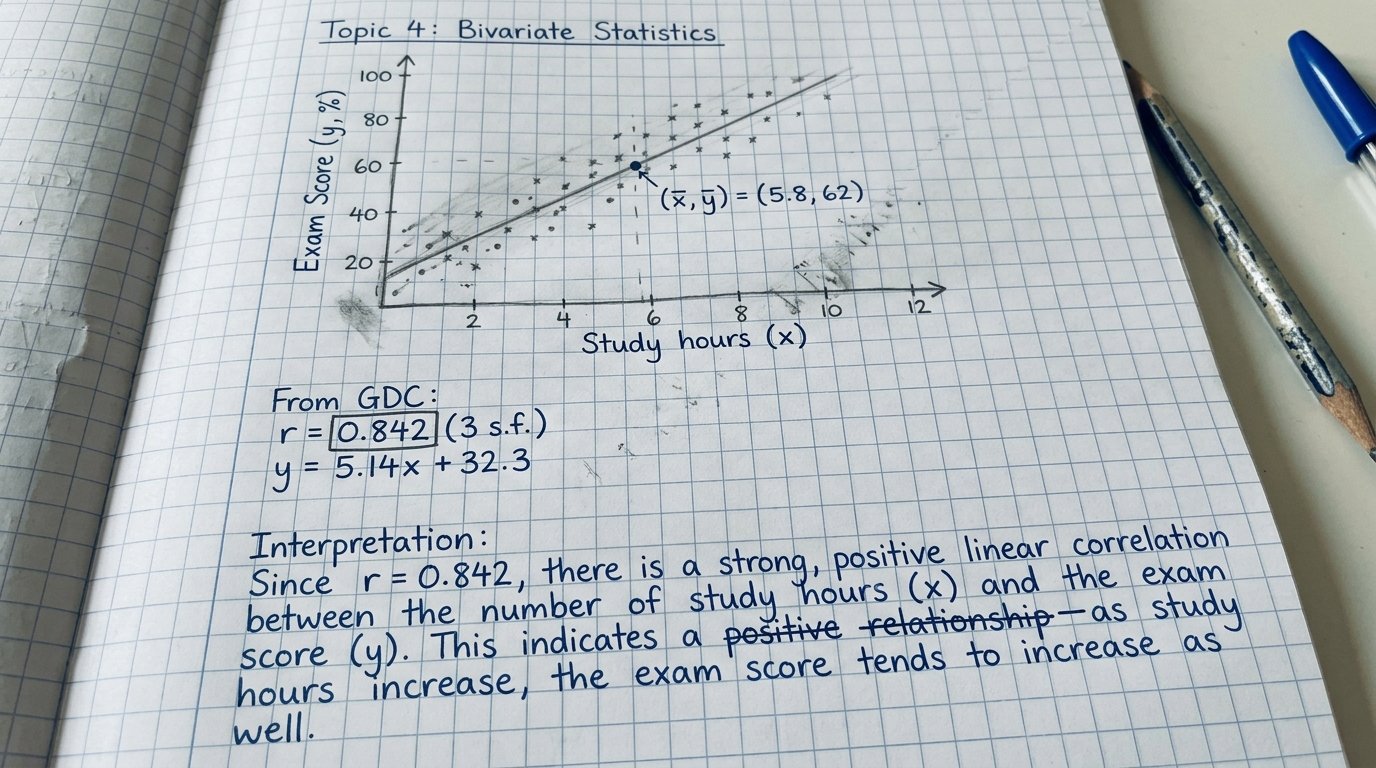
- Includes statistics and real-world applications
Tips:
- Master calculator functions
- Interpret graphs carefully
- Double-check answers
Paper 3 (HL Only)
Key features:
- Only for HL students
- Advanced, extended-response questions
- Tests deeper conceptual understanding
Tips:
- Practice long-form solutions
- Focus on reasoning and explanation
- Manage time effectively
Internal Assessment (IA)
In addition to exams, students must complete an internal assessment.
What is the IA?
- A mathematical exploration
- Based on a topic of your choice
- Contributes ~20% to your final grade
The IA is an opportunity to score high marks outside exam pressure.
How the IB Maths Exam Is Graded

The IB Maths exam structure uses a combination of marks from all components.
Breakdown:
- Paper 1: External assessment
- Paper 2: External assessment
- Paper 3 (HL): External assessment
- IA: Internal assessment
Grades are then converted into a scale from 1 to 7.
Key Differences Between SL and HL Exam Structure
Understanding the differences helps you prepare more effectively.
SL:
- Paper 1 + Paper 2
- IA included
- Less overall content
HL:
- Paper 1 + Paper 2 + Paper 3
- IA included
- More advanced topics and questions
HL students face greater depth and complexity.
External Resource for Official Structure
For the most accurate and up-to-date details, refer to the official IB curriculum:
👉 https://www.ibo.org/programmes/diploma-programme/curriculum/mathematics/
This ensures you are aligned with official exam expectations.
How to Prepare for Each Paper
Paper 1 Preparation
- Focus on fundamentals
- Practice without a calculator
- Improve speed and accuracy
Paper 2 Preparation
- Use your calculator efficiently
- Practice real-world problems
- Focus on interpretation skills
Paper 3 Preparation (HL)
- Practice extended questions
- Develop strong reasoning skills
- Learn to structure answers clearly
Time Management Tips for IB Maths Exams
Time pressure is one of the biggest challenges.
Effective strategies:
- Allocate time per question
- Skip difficult questions and return later
- Keep track of time regularly
Good time management can significantly improve your score.
Common Mistakes Students Make
Avoid these errors:
❌ Not understanding exam format
❌ Spending too long on one question
❌ Ignoring Paper 3 (HL students)
❌ Not practicing under timed conditions
Understanding the IB Maths exam structure helps prevent these mistakes.
Micro FAQs
How many papers are in IB Maths?
SL has 2 papers, while HL has 3 papers, plus the Internal Assessment.
Is Paper 1 harder than Paper 2?
Paper 1 can feel harder due to no calculator, but both papers test different skills.
How important is the IA in IB Maths?
The IA contributes around 20% of your final grade, making it very important.
Final Thoughts
Understanding the IB Maths exam structure is one of the smartest ways to improve your performance. When you know what to expect, you can prepare more effectively and avoid unnecessary mistakes.
For students who want structured guidance, exam-focused practice, and expert support:
👉 Start here:
https://mathzem.com/membership-pricing/