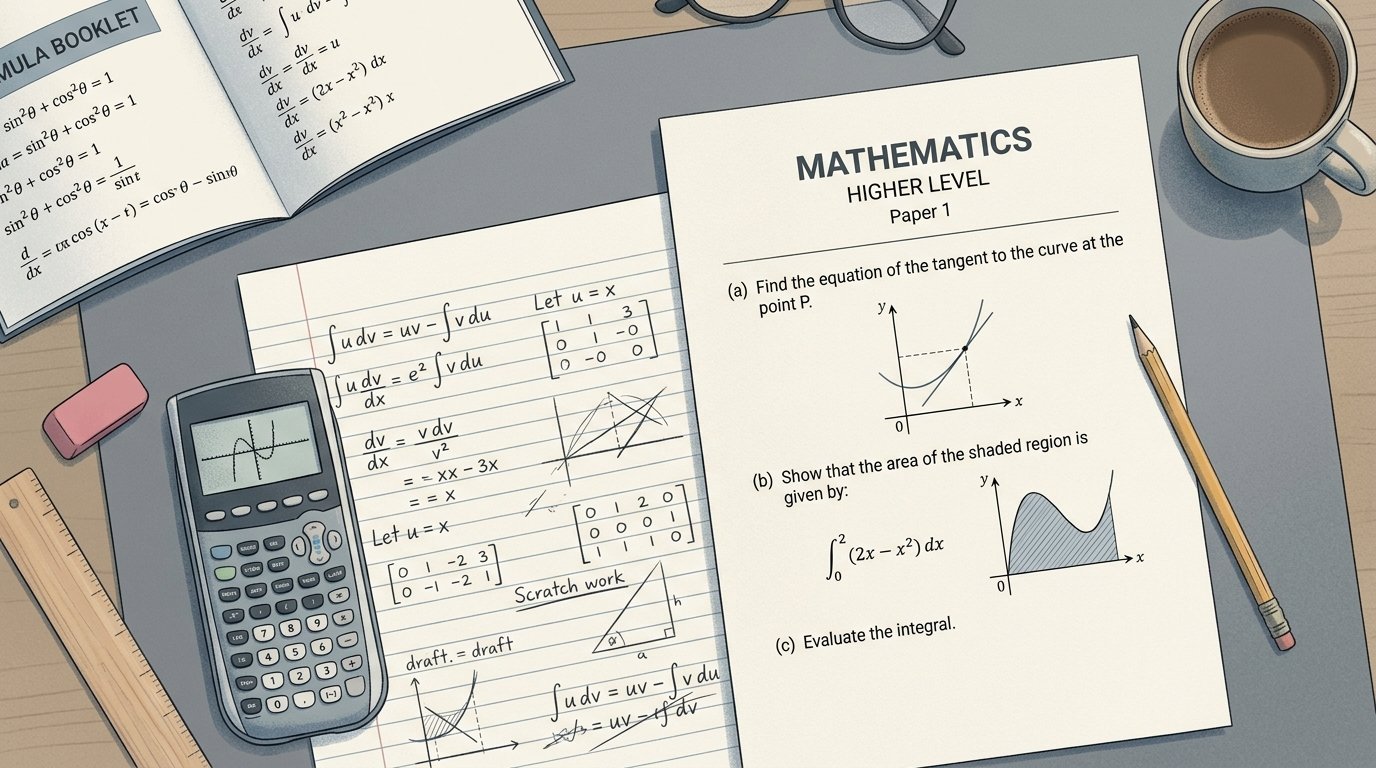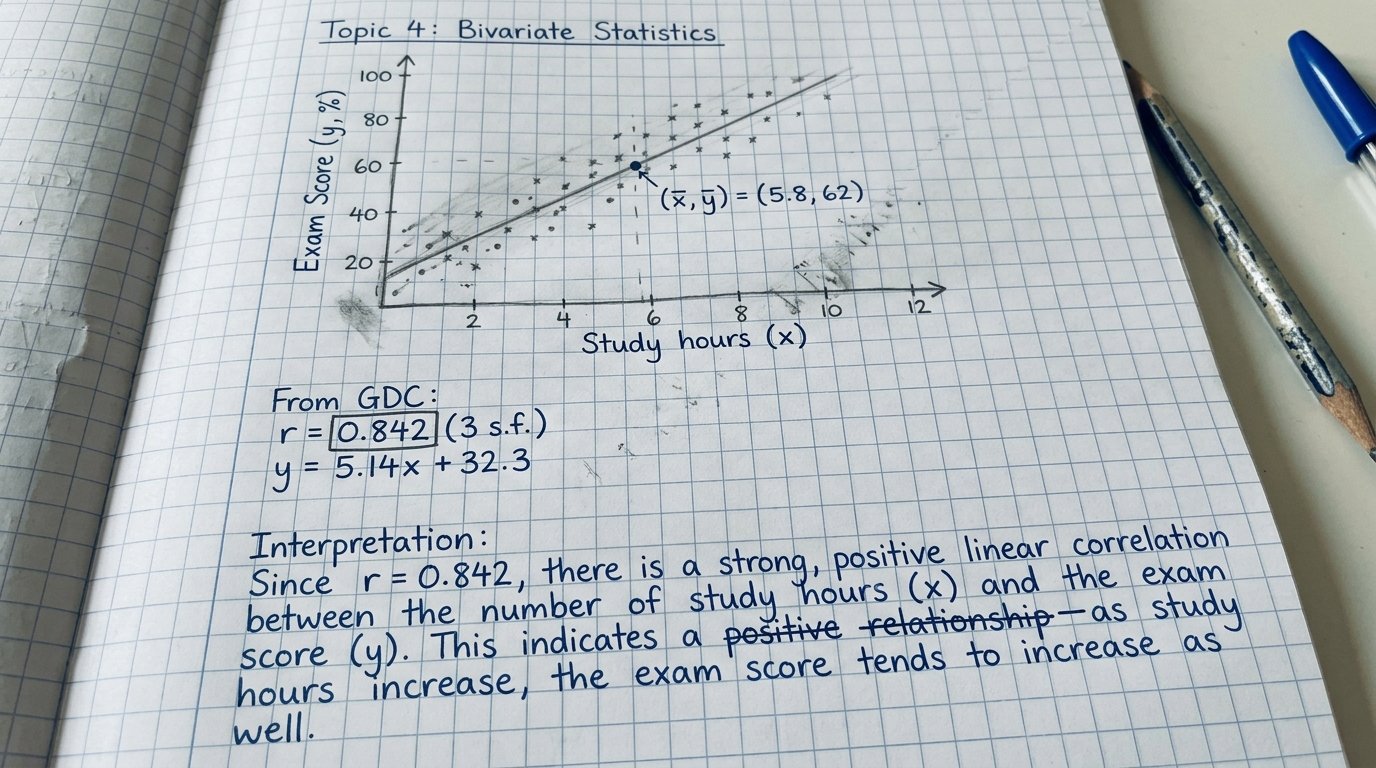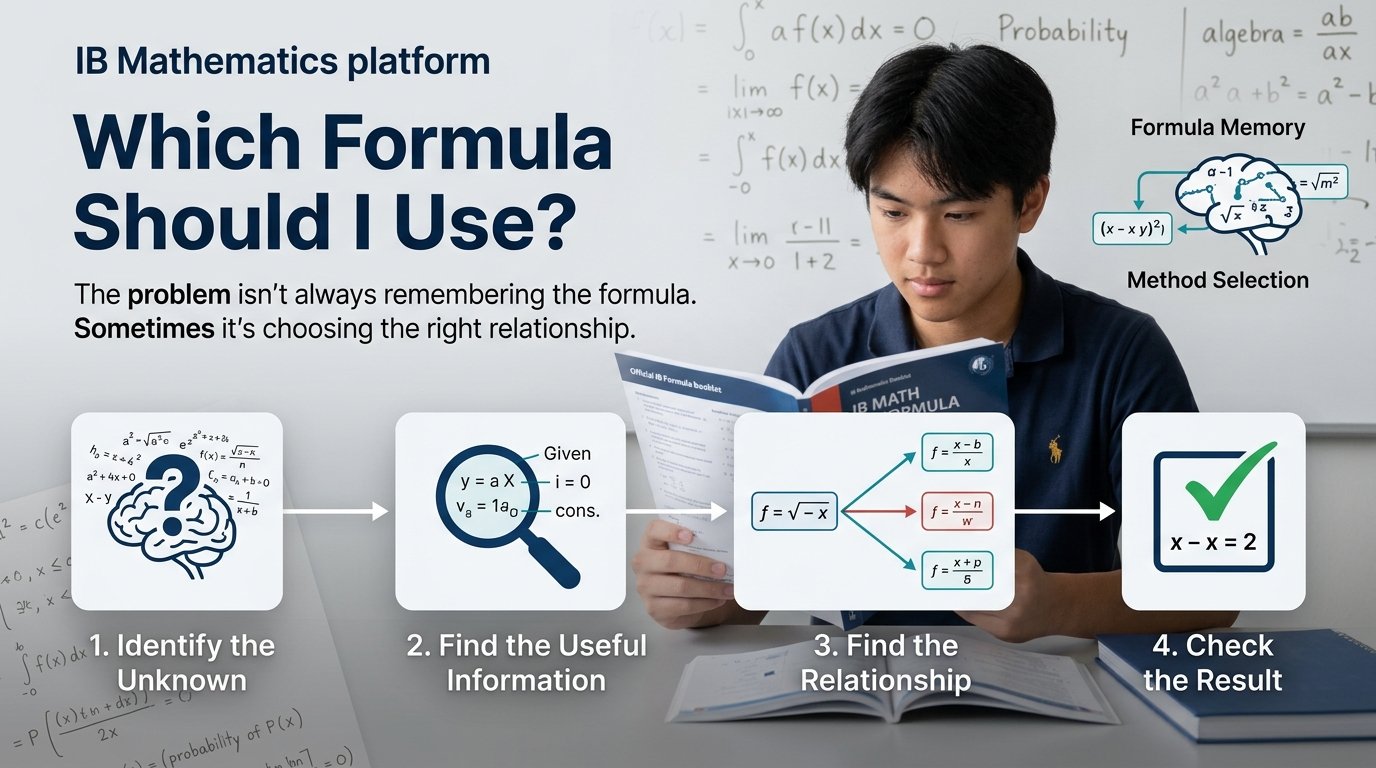
IB Maths AA HL (Analysis and Approaches Higher Level) is one of the most demanding subjects in the entire Diploma Programme. It requires strong algebra foundations, deep conceptual understanding, and consistent practice across complex problem types. Many students underestimate the difficulty early on and by the time they realise how steep the curve is, the gaps have already formed.
At Mathzem, we specialise in GCSE tutoring for UK students, and we’ve seen exactly what separates a struggling AA HL student from one who walks into exams confidently aiming for a 6 or 7. This guide breaks down the preparation strategies that genuinely work, without fluff or unrealistic advice.
Table of Contents
Understanding IB Maths AA HL: What Makes It So Challenging?
Before you prepare effectively, you need to understand the nature of AA HL:
1. It is algebra-heavy.
You cannot rely on intuition. Strong manipulation skills matter more than memorised techniques.
2. It pushes calculus to depth.
Differentiation, integration, differential equations AA HL expects fluency.
3. It values clean, logical explanations.
Writing “working” is not enough. You must show structured reasoning.
4. The difficulty ramps up quickly.
The first six months often determine whether you build confidence or anxiety.
5. Past paper familiarity is essential.
AA HL exams are patterned. Without exposure to question styles, marks drop fast.
Knowing this helps you focus on preparation that actually moves the needle.
How to Prepare Effectively for IB Maths AA HL
Below are proven, high-yield strategies backed by experience and IB examiner insights.
1. Strengthen Your Algebra, Everything Depends on It
AA HL is built on algebraic fluency. If you struggle with:
- Factorisation
- Surds and indices
- Simultaneous equations
- Functions
- Trigonometry manipulation
- Exponential and logarithmic algebra
- AA HL will feel unnecessarily hard.
Preparation Tips:
- Rebuild your algebra foundation early.
- Set aside weekly “core algebra practice” sessions.
- Don’t skip steps errors compound quickly.
Many AA HL students who eventually excel spend the first 4–6 weeks shoring up weak fundamentals.
2. Master Calculus as Early as Possible
Calculus is the heart of AA HL. You must understand:
- Differentiation rules
- Chain, product, quotient rules
- Second derivative applications
- Integration techniques
- Definite integrals
- Differential equations
- Optimisation problems
- Rates of change
Preparation Tips:
- Create a personal “calculus handbook” summarising rules.
- Drill core techniques before tackling applications.
- Practise sketching and interpreting gradient behaviour.
The earlier you gain confidence in calculus, the easier the rest of the course feels.
3. Build a Strong Formula Memory System
AA HL tests your recall and application without hesitation. Students who constantly “look up formulas” waste time and lose marks.
A strong formula system includes:
- Flashcards
- Regular active recall
- Weekly formula tests
- Real exam-style applications
Don’t memorise formulas passively. Tie them to problems you’ve solved.
4. Avoid Calculator Dependence
AA HL requires your calculator but not the way AI HL does.
Many students rely too heavily on GDC functions for algebraic tasks instead of understanding the underlying maths.
Preparation Tip:
Use your calculator after doing the algebra.
Not before.
5. Do Past Papers Early (Even in Year 12)
Most AA HL students wait too long to start past papers. By the time they begin, they panic.
Start early so you can:
- Recognise question patterns
- Understand examiner expectations
- Improve exam timing
- Spot recurring problem types
Past paper exposure is one of the biggest predictors of a 7.
6. Review Mark schemes Properly
It’s not enough to check whether your answer is right. You must understand:
- How marks are awarded
- What counts as “method marks”
- What working needs to be shown
- Common slip-ups and omissions
Smart students treat the markscheme like a teacher showing them the mindset of the exam.
7. Create a Daily AA HL Routine
Regardless of workload, AA HL requires consistent weekly practice.
A simple, effective routine:
- 20 min algebra review
- 20 min calculus practice
- 10 min formula recall exercises
- 10 min exam-style question
These short, intentional sessions outperform last-minute cramming.
8. Identify Your Weak Topics Early
AA HL weaknesses don’t disappear. They get worse because each new topic builds on the last.
Common weak areas include:
- Trigonometric identities
- Exponential/logarithmic manipulation
- Integration
- Differential equations
- Functions and transformations
Preparation Strategy:
Set a “weak topic list” and revise it every 2 weeks.
9. Practise Writing Clear Mathematical Explanations
A correct answer isn’t enough in AA HL. You must:
- Show logical progression
- Justify steps
- Annotate working clearly
- Avoid messy layouts
Your reasoning should read like a story of your thinking.
10. Get Expert Support Early (Not When You’re Drowning)
AA HL is extremely difficult to tackle alone, especially if your teacher moves quickly or your school cohort isn’t strong.
At Mathzem, we help AA HL students by:
- Breaking down complex concepts
- Providing structured past paper practices
- Teaching exam-specific techniques
- Strengthening algebra foundations
- Building confidence in calculus
- Offering weekly targeted coaching
If you’re aiming for a 6 or 7, consistent expert guidance can make the difference.
Explore Mathzem membership options:
https://mathzem.com/membership-pricing/
Frequently Asked Questions About IB Maths AA HL
Q1: How many hours per week should I study AA HL?
Most students aiming for a 6 or 7 study 4–6 hours per week, including homework, review, and independent practice.
Q2: Is AA HL much harder than AA SL?
Yes, AA HL covers more content, moves faster, and requires deeper reasoning. The difficulty jump is significant.
Q3: When should I start revising for AA HL exams?
Start consistent revision from the beginning of Year 12. Leaving it until Year 13 makes the workload overwhelming.
Q4: Can a student weak in algebra survive AA HL?
Yes, but only if they strengthen algebra early. Algebra is non-negotiable.
Q5: Should I use a textbook or past papers more?
In Year 12: 60% textbook, 40% past papers
In Year 13: 20% textbook, 80% past papers
Preparing for IB Maths AA HL requires more than memorising formulas and completing homework. You need strong algebra fundamentals, deep understanding of calculus, constant practice, and familiarity with exam patterns.
Conclusion
Consistency beats intensity. Early preparation beats last-minute panic.
Whether you’re aiming for a 6 or 7, the right support makes a massive difference.
At Mathzem, we help students build confidence, mastery, and exam-ready skills through structured AA HL tutoring.
Start your journey today:
https://mathzem.com/membership-pricing/