Introduction
Succeeding in GCSE maths isn’t just about knowing the content—it’s about mastering GCSE maths exam techniques. Students often lose marks not because they lack knowledge, but because they make avoidable mistakes under exam pressure.
In this guide, you’ll discover 10 proven exam techniques to help you maximize your score and build confidence. Plus, we’ll show you how Mathzem’s free GCSE maths courses can help you practice smarter.
Table of Contents
10 Powerful GCSE Maths Exam Techniques
Understanding the Exam Format
The GCSE maths exam includes three papers:
- Paper 1: Non-calculator.
- Paper 2 and 3: Calculator papers.
Each paper lasts 90 minutes, and marks are evenly distributed across topics like number, algebra, geometry, and statistics. Knowing the format helps you plan your revision and manage time effectively during the exam.
Read the Question Carefully
This may sound obvious, but it’s one of the most common mistakes students make. Misreading words like “estimate,” “exact,” or “simplify” can cost easy marks.
💡 Tip: Underline key terms and numbers in the question before you start solving.
Show All Working Clearly
Always show how you arrived at your answer. Even if your final answer is incorrect, method marks can still earn you valuable points.
Use clear, organized steps, and avoid crossing out too much—examiners need to see your process.
Manage Your Time Wisely
- Spend the first few minutes scanning the paper.
- Answer easy questions first to secure marks.
- Leave time at the end to review.
A good rule of thumb: 1 mark ≈ 1 minute.
Don’t Leave Any Question Blank
Even if you’re unsure, make an educated guess. Sometimes, you can earn partial credit for reasoning or setup.
Never leave a blank page—every attempt counts.
Check Units and Conversions
Many students lose marks by forgetting to convert units or misreading measurements.
For example:
- Converting cm to m (divide by 100).
- Changing hours to minutes (multiply by 60).
Estimate Before Calculating
Before diving into calculator work, make a quick estimate. It helps you spot errors like misplaced decimals or misentered numbers.
Use Your Calculator Effectively
Learn your calculator’s functions well. Know how to use:
- Fraction and square root keys.
- Memory functions.
- Brackets to ensure correct order of operations.
Double-check your answers after calculations.
Identify Command Words
GCSE maths questions often use command words like:
- Calculate – Perform a numerical operation.
- Show that – Provide a full explanation.
- Explain – Justify your reasoning.
Recognizing these helps you tailor your answers correctly.
Tackle Multi-Step Questions
Break complex problems into smaller chunks. Write down known information, apply formulas step by step, and check if each stage makes sense.
Revise Formulas Regularly
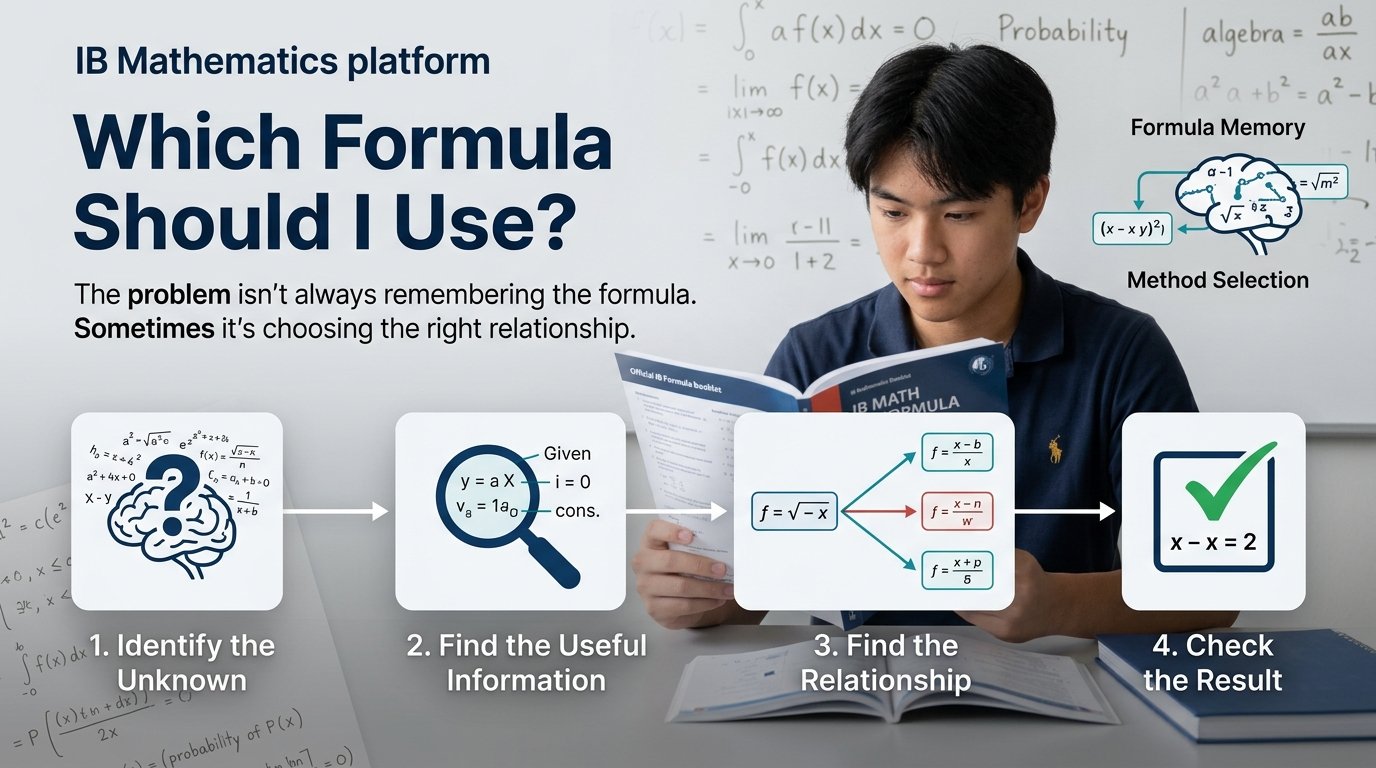
The GCSE maths formula sheet (2025 edition) contains essential formulas, but you should still know when and how to apply them.
Use flashcards or apps to test yourself daily.
Practice with Past Papers
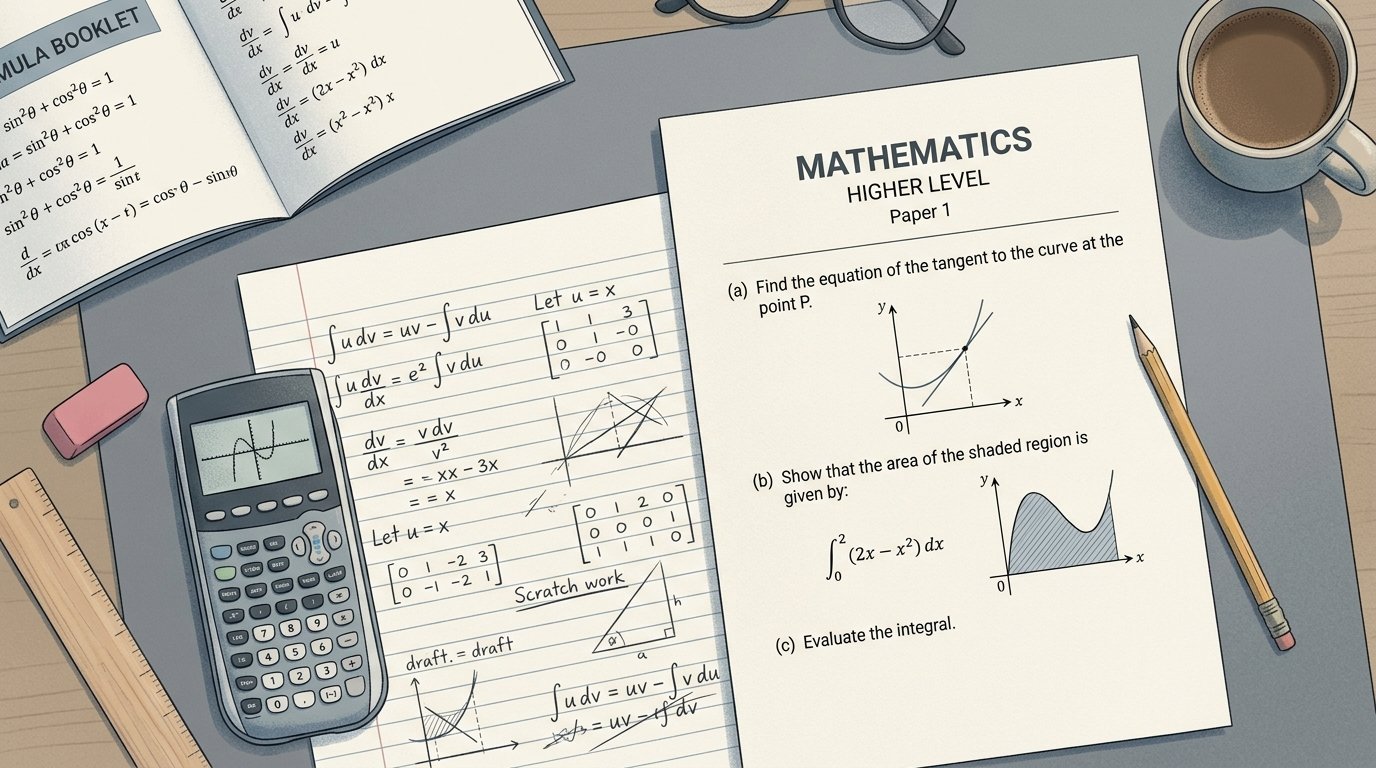
Past papers are your best friend. They reveal recurring question types and help you get used to timing and mark distribution.
📚 Tip: Use Mathzem’s free past paper resources with solutions for both Foundation and Higher tiers.
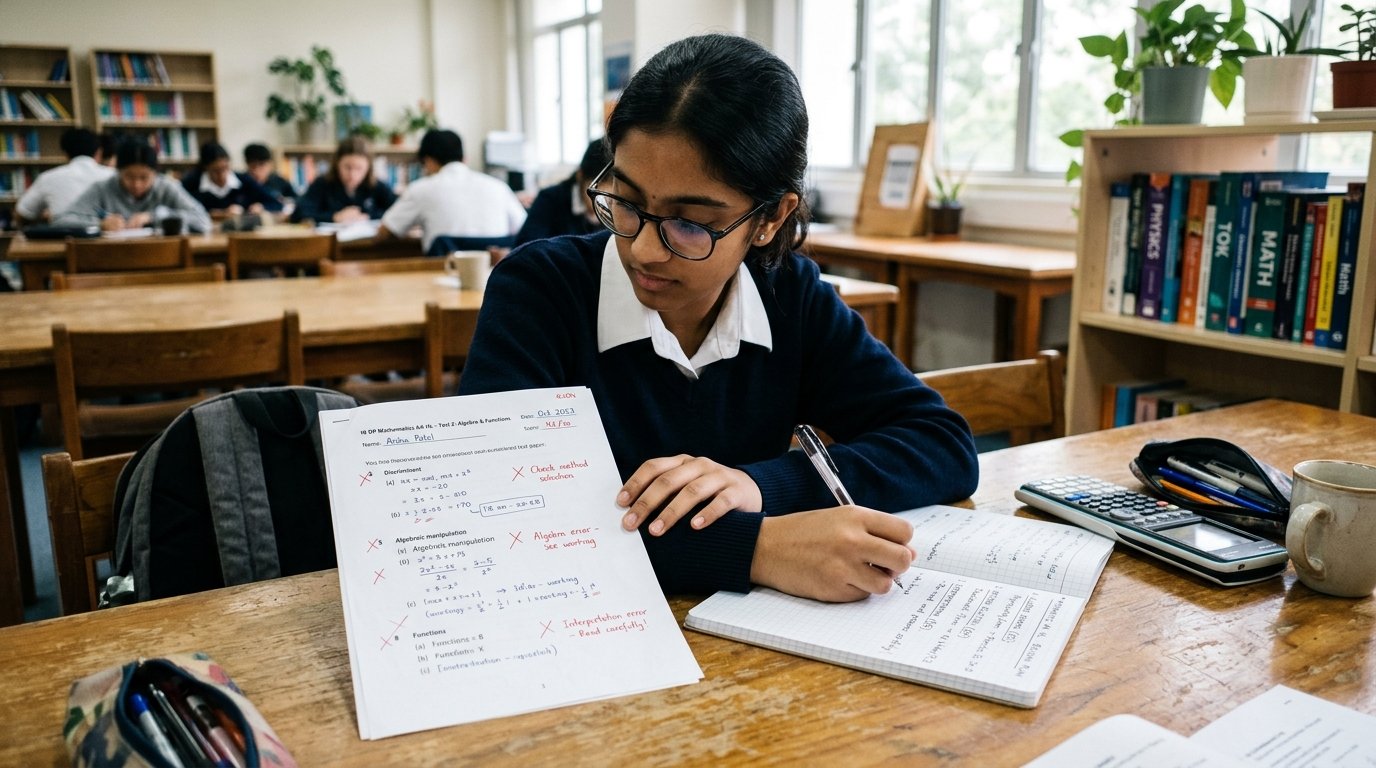
Learn from Common Mistakes
After each mock or past paper, review your errors. Ask:
- Did I rush?
- Did I misread the question?
- Was it a careless arithmetic error?
Reflection turns mistakes into learning tools.
Stay Calm Under Pressure
Exam anxiety can affect performance. Combat it by:
- Breathing deeply before starting.
- Reading through the paper first.
- Staying positive—focus on what you do know.
The Night Before the Exam
Avoid last-minute cramming. Instead:
- Revise lightly.
- Pack equipment (ruler, protractor, calculator).
- Get a good night’s sleep.
During the Exam
- Start with questions you find easiest.
- Don’t get stuck—move on and return later.
- Recheck all your answers in the last 10 minutes.
After the Exam
Don’t dwell on what went wrong. Use the experience to improve your strategy for future papers.
Why Mathzem Helps You Master Exam Techniques
At Mathzem, we provide free GCSE maths courses, mock exams, and practice materials designed to help students master these exam techniques.
With guided video lessons and interactive quizzes, Mathzem ensures students understand both content and exam strategies.
GCSE Maths Resources
👉 Want to perfect your GCSE maths exam techniques? Visit Mathzem today and access free revision courses, past papers, and expert tips to boost your confidence and scores.
FAQs on GCSE Maths Exam Techniques
Why are exam techniques important for GCSE maths?
They help students maximize marks even without perfect knowledge.
How can I improve my timing in exams?
Practice timed past papers regularly.
Should I show working even for easy questions?
Yes, you can gain method marks even if the answer is wrong.
What’s the best way to avoid silly mistakes?
Read carefully, estimate answers, and check units.
How can Mathzem help me with exam techniques?
Mathzem provides free resources and mock exams focusing on strategy.
Can exam technique make up for weak maths skills?
It helps significantly—but consistent practice remains key.
Conclusion
Strong GCSE maths exam techniques can turn a good student into a top performer. From time management to showing your work clearly, every strategy helps you secure more marks. With Mathzem’s free resources, you can practice these techniques and walk into the exam room confident and prepared.
GCSE Maths Revision Guide: How to Study Effectively.