Introduction
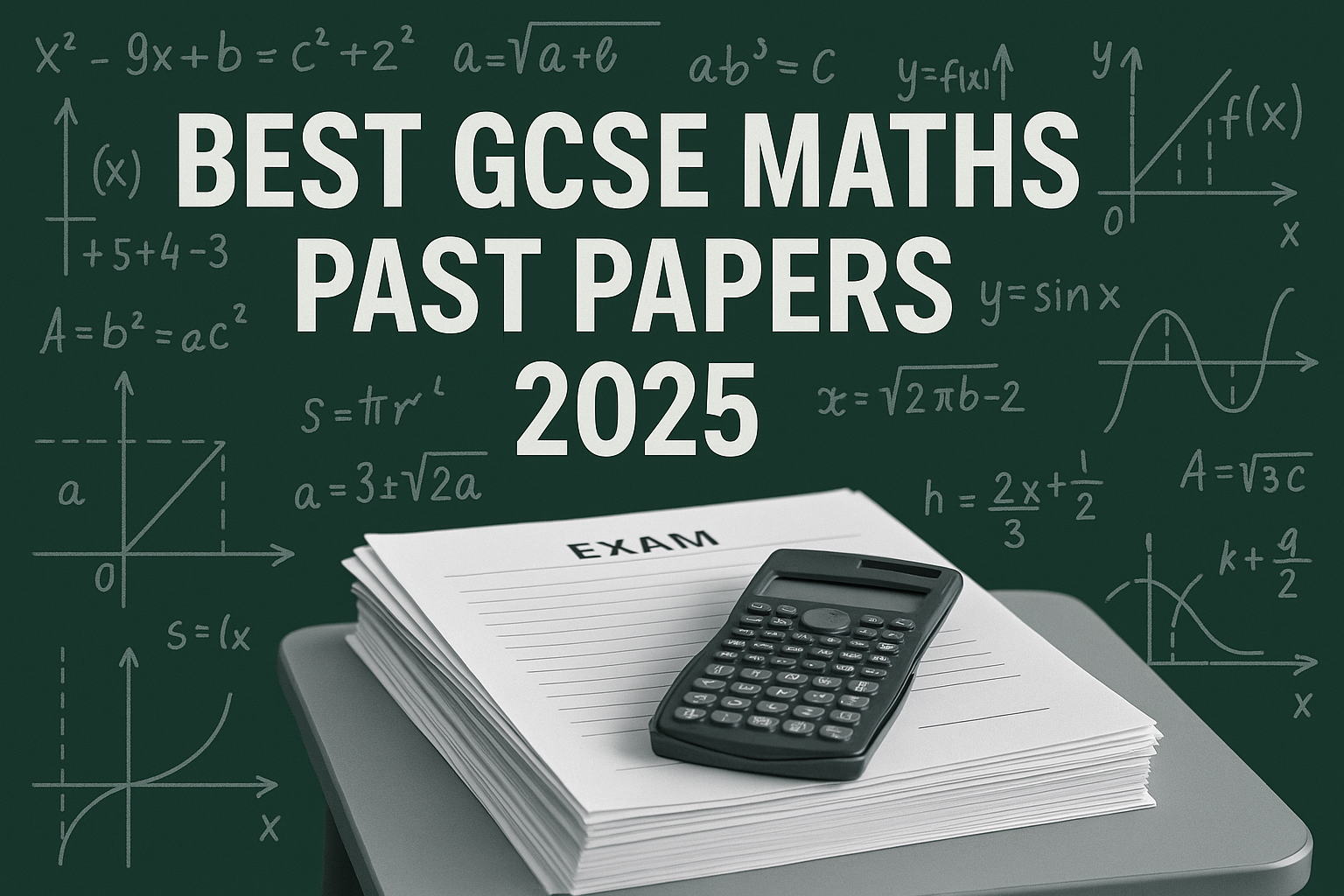
When it comes to preparing for exams, nothing beats practising with GCSE maths past papers. They’re the closest thing to sitting the real test, helping you build confidence, spot patterns, and improve your exam technique. With the 2025 exams approaching, now is the perfect time to start integrating past papers into your revision routine.
This guide highlights the best places to find GCSE maths past papers, how to use them effectively, and tips to maximise your practice for success.
Table of Contents
Why Use GCSE Maths Past Papers?
Past papers are more than just practice questions — they’re a powerful revision tool. Here’s why:
- Familiarity with exam format: Understand how questions are structured.
- Time management: Learn to pace yourself under timed conditions.
- Identify gaps: Spot weak areas to focus on.
- Boost confidence: Repeated exposure reduces exam-day nerves.
By working through GCSE maths past papers, you’ll sharpen both knowledge and technique.
Where to Find the Best GCSE Maths Past Papers
Not all resources are equal. Here are trusted places to find reliable and up-to-date papers for the 2025 exams:
1. Exam Board Websites
The most accurate source is directly from exam boards like:
- AQA
- Edexcel
- OCR
These sites provide official past papers, mark schemes, and examiner reports.
Suggested external link: AQA GCSE Maths Past Papers.
2. Revision Websites
Platforms like Maths Genie, Corbettmaths, and Physics and Maths Tutor collect papers in one place, often sorted by topic and year. These are perfect if you want to focus on specific skills.
3. School or College Resources
Many schools provide tailored sets of past papers that match your syllabus. Check your school portal or ask your teacher for access.
Suggested internal link: Link this section to “GCSE Maths Exam Boards Explained”.
How to Use Past Papers Effectively
Simply working through past papers isn’t enough. To get the most out of them, follow these steps:
Step 1: Start Early
Begin using papers at least three months before your exams. This gives you time to improve based on your results.
Step 2: Simulate Exam Conditions
Sit in a quiet space, set a timer, and avoid distractions. Treat each paper like the real exam.
Step 3: Mark and Reflect
Use the mark schemes to check your answers. Pay attention to where you lost marks — was it a mistake in working, time pressure, or misunderstanding the question?
Step 4: Target Weaknesses
If you consistently drop marks on algebra or geometry, build extra practice sessions around those topics.
Step 5: Repeat Regularly
Past papers aren’t a one-off task. Revisit them weekly to track progress and reinforce learning.
Top Tips for Success with GCSE Maths Past Papers
- Mix calculator and non-calculator papers to balance skills.
- Show your working clearly — method marks can save you.
- Don’t skip hard questions — attempt them for partial credit.
- Review examiner reports to see common mistakes other students make.
FAQs About GCSE Maths Past Papers
How many GCSE maths past papers should I do?
Aim for at least 8–10 full papers before your exam. Balance them between calculator and non-calculator practice.
Are GCSE maths past papers enough to pass?
They’re essential but not enough on their own. Combine them with topic revision, flashcards, and guidance from teachers or tutors.
Where can I find topic-specific past paper questions?
Websites like Maths Genie and Corbettmaths offer topic-based past paper questions, which are ideal for targeted practice.
Should I redo the same past paper?
Yes. Redoing papers after a few weeks helps check whether you’ve improved in areas you struggled with before.
Conclusion
Using GCSE maths past papers is one of the smartest ways to prepare for the 2025 exams. They give you real exam experience, highlight your weak areas, and improve your confidence.
Start early, practise consistently, and use papers alongside other revision strategies for the best results. By exam day, you’ll feel prepared, calm, and ready to succeed.
2 Responses
Good piece of artice