Introduction GCSE Maths Reset
Didn’t pass GCSE maths the first time? You’re not alone—thousands of students retake it each year. Fortunately, passing your GCSE maths reset on the second attempt is entirely attainable with the right approach, mindset, and resources.
Whether you’re studying solo, at college, or online, this guide pinpoints what went wrong before and how to address it—so you can secure the grade you need and advance confidently.
Table of Contents
Why the GCSE Maths Reset Matters
GCSE maths is more than just another subject — it’s a gateway qualification. A pass (Grade 4 or above) is required for:
- Entry into most college and university courses
- Apprenticeships and further training
- Many jobs in healthcare, business, and engineering
Failing once isn’t final, but passing on your second attempt unlocks real opportunities.
Step 1: Understand What Went Wrong
Before diving back in, take a moment to reflect on your previous attempt. Ask yourself:
- Did you struggle with certain topics (e.g., algebra, geometry, or probability)?
- Was timing an issue during the exam?
- Did you revise consistently, or cram at the last minute?
With these insights, you can now focus on a tailored revision plan—your first step to making real progress in your next attempt.
Step 2: Choose the Right Study Route
You have several options for preparing for your GCSE maths resit:
College Resit Course
Many colleges offer one-year resit classes alongside other subjects or apprenticeships. These courses include teacher support and structured lessons.
Online GCSE Maths Tutor
An online tutor provides flexible, personalised help tailored to your weak spots — perfect if you prefer one-to-one guidance.
“GCSE Maths Tutor Online: Why It’s Worth It.”
Self-Study
If you prefer independence, you can prepare through revision websites, video lessons, and past papers. Free resources, such as Maths Genie, Corbettmaths, and BBC Bitesize, are great starting points.
Step 3: Build a New Study Plan
Passing this time means revising strategically, not just persistently.
Here’s how to create an effective plan:
- Start early – give yourself at least 8–12 weeks before the exam.
- Use a timetable – dedicate short, focused sessions to each topic.
- Balance practice and theory – alternate between learning concepts and solving past papers.
- Track your progress – record your scores and areas for improvement weekly.
“The Ultimate GCSE Maths Revision Timetable.”
Step 4: Practise Using Past Papers
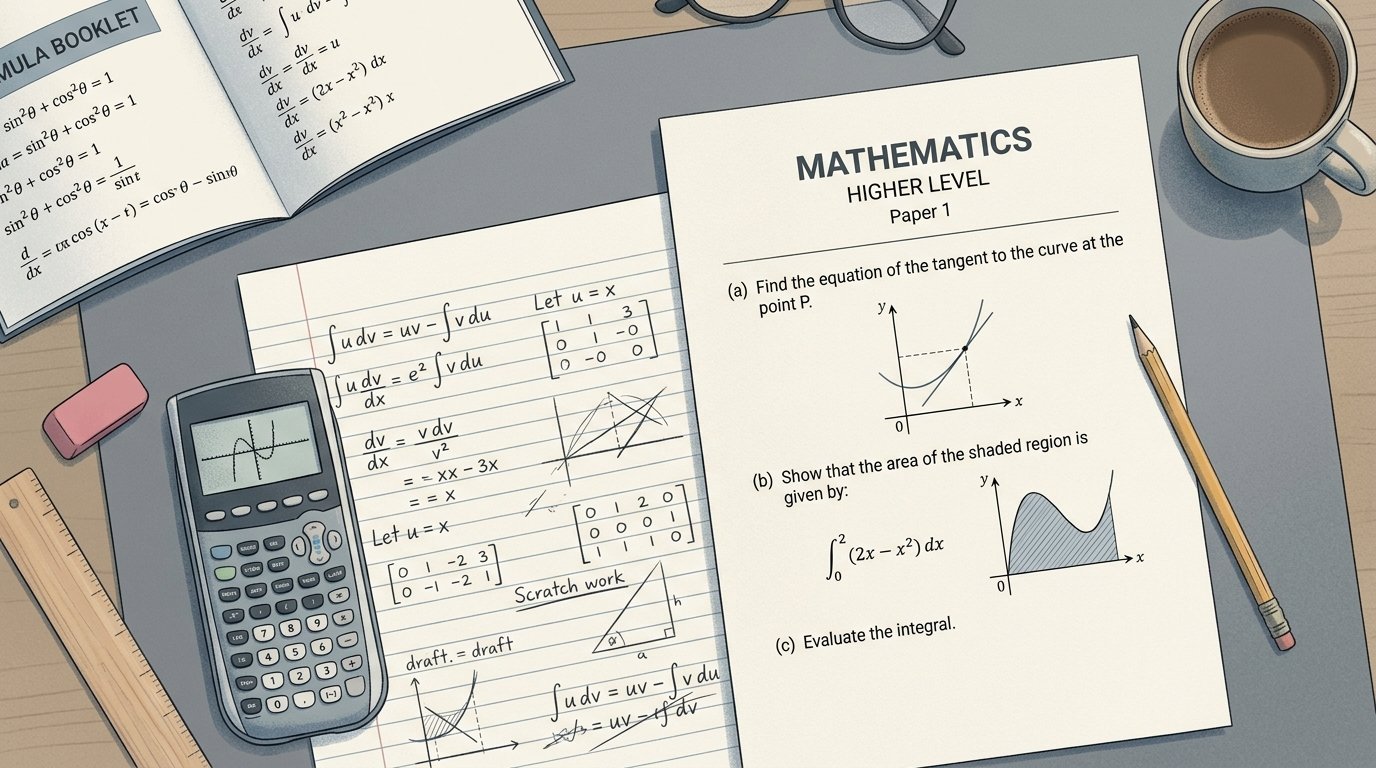
One of the biggest mistakes students make is revising theory without practising exam questions. Past papers help you:
- Understand question formats
- Improve time management
- Identify recurring question types.
Use marking schemes to check your answers and examiner reports to see what earns full marks.
“Best GCSE Maths Past Papers for 2025 Exams.”
Step 5: Focus on Exam Techniques
Even if you know the content, poor exam technique can cost marks. Learn how to:
- Show working clearly to earn method marks.
- Read questions carefully for key terms.
- Manage time effectively across sections.
Practising under timed conditions helps you stay composed and self-assured.
“10 Powerful GCSE Maths Exam Techniques Every Student Should Know.”
Step 6: Strengthen Core Skills
Most resit students struggle with the same core areas:
- Fractions and decimals
- Algebraic manipulation
- Ratios and percentages
- Basic geometry
Allocate time in your timetable for each core skill. Set mastery targets for each before moving to more advanced topics.
Step 7: Believe You Can Pass
Confidence is crucial. Many students fail not because they lack ability, but because they believe improvement is impossible. A growth mindset—the belief that effort fuels progress—can transform your results.
You’ve already taken the exam once—you now know what to expect, giving you a big advantage.
FAQs About GCSE Maths Resets
When can I resit GCSE maths?
The main resit sessions are in November and June each year. Most students take the next available one after receiving results.
How much does it cost to resit?
If you’re under 18 and didn’t achieve a Grade 4, resits are usually free of charge. Adult learners may be required to pay a small fee, depending on the centre.
Can I improve from a Grade 3 to a Grade 5?
Absolutely. Many students jump two grades with consistent revision, regular practice, and focused feedback.
Do employers mind if you passed on a resit?
No, most employers and universities only care that you achieved a Grade 4 or higher.
Conclusion
Failing GCSE maths reset once doesn’t define you—it’s a second chance to excel. With structured revision, targeted practice, and the right mindset, your resit can be the turning point. Begin your preparation by developing a structured study timetable, engaging consistently with past examination papers, and cultivating confidence in your mathematical abilities. By systematically reflecting on previous challenges, selecting appropriate study methods, implementing an effective revision plan, practicing exam techniques, and strengthening foundational skills, you are now well-positioned to achieve success in your GCSE mathematics reset