Introduction
When it comes to passing GCSE maths, effective revision is the key that unlocks exam success. Many students spend hours revising but fail to see results because they lack structure, focus, or the right resources. The good news is that with the right GCSE maths revision guide, you can transform your study sessions from stressful to successful.
Table of Contents
Why GCSE Maths Revision is Crucial
GCSE maths isn’t just another subject—it’s a core qualification that impacts future education and career choices. Preparing effectively reduces exam anxiety and ensures you can tackle a wide range of questions confidently. Students who revise strategically are more likely to retain information and apply it under exam pressure.
Starting with the Right Resources
Before diving into revision, it’s essential to gather the best tools. Start with Mathzem, where you’ll find free GCSE maths courses designed to cover the entire syllabus with step-by-step lessons. Unlike generic apps or guides, Mathzem is tailored to GCSE exam boards, ensuring that every topic you study is relevant.
Other useful resources include:
- Revision books such as CGP and Collins
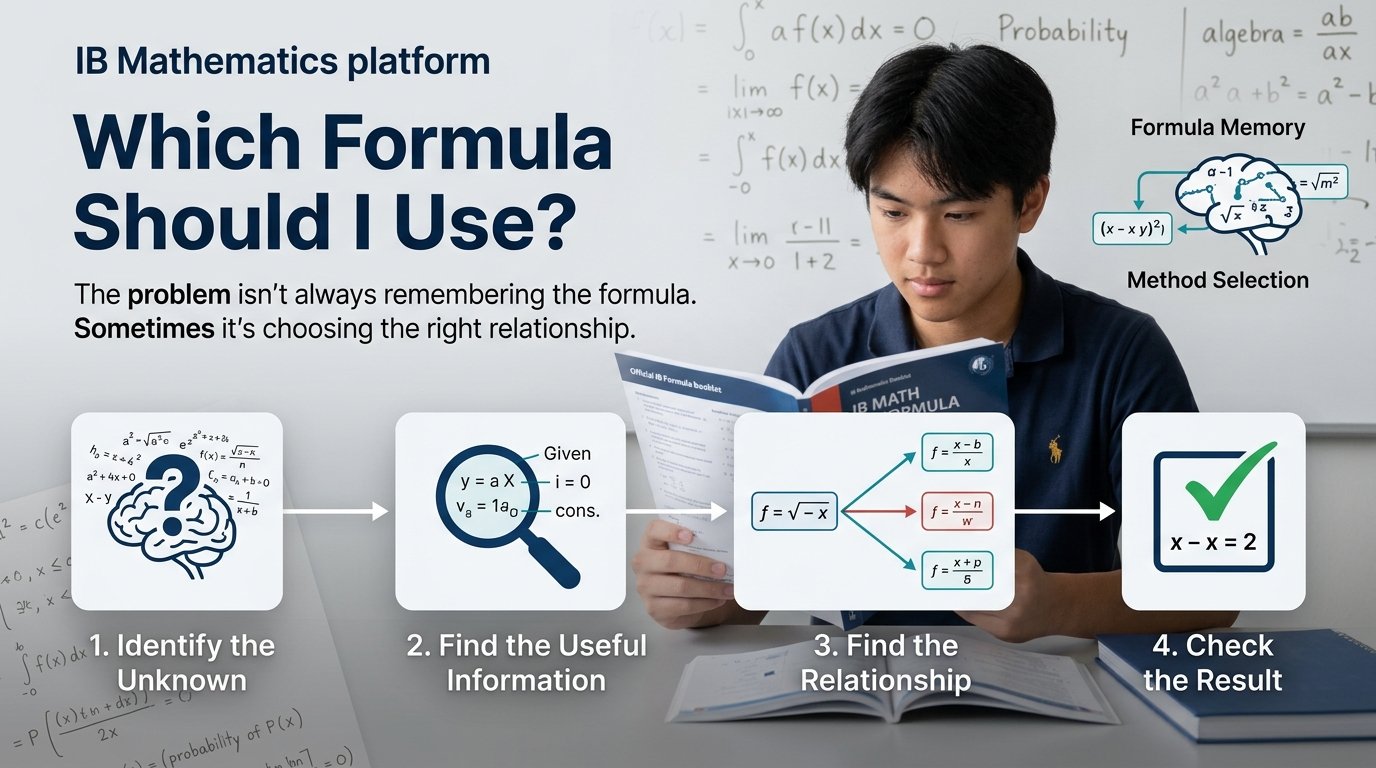
- Formula sheets provided by your exam board
- Educational websites like BBC Bitesize and MyMaths
By combining Mathzem’s structured learning with other resources, you can cover your syllabus more effectively.
Creating a Personalised Study Plan
A one-size-fits-all approach doesn’t work for everyone. Create a personalised timetable that fits your lifestyle, prioritizes weak topics, and balances schoolwork with revision. Allocate extra hours for challenging areas like algebra or geometry, while also revising topics you’re already confident in to keep them fresh.
Building a Daily Revision Routine
Consistency beats cramming every time. A strong daily routine might look like:
- 2 hours of focused revision (morning or evening)
- 1 past paper question set daily
- 15 minutes reviewing flashcards or formulas
- Regular short breaks to recharge
Following a daily rhythm helps reduce stress and makes revision manageable.
Breaking Down GCSE Maths Revision Topics
Divide your revision into manageable sections:
- Algebra: equations, inequalities, sequences
- Geometry: angles, shapes, transformations
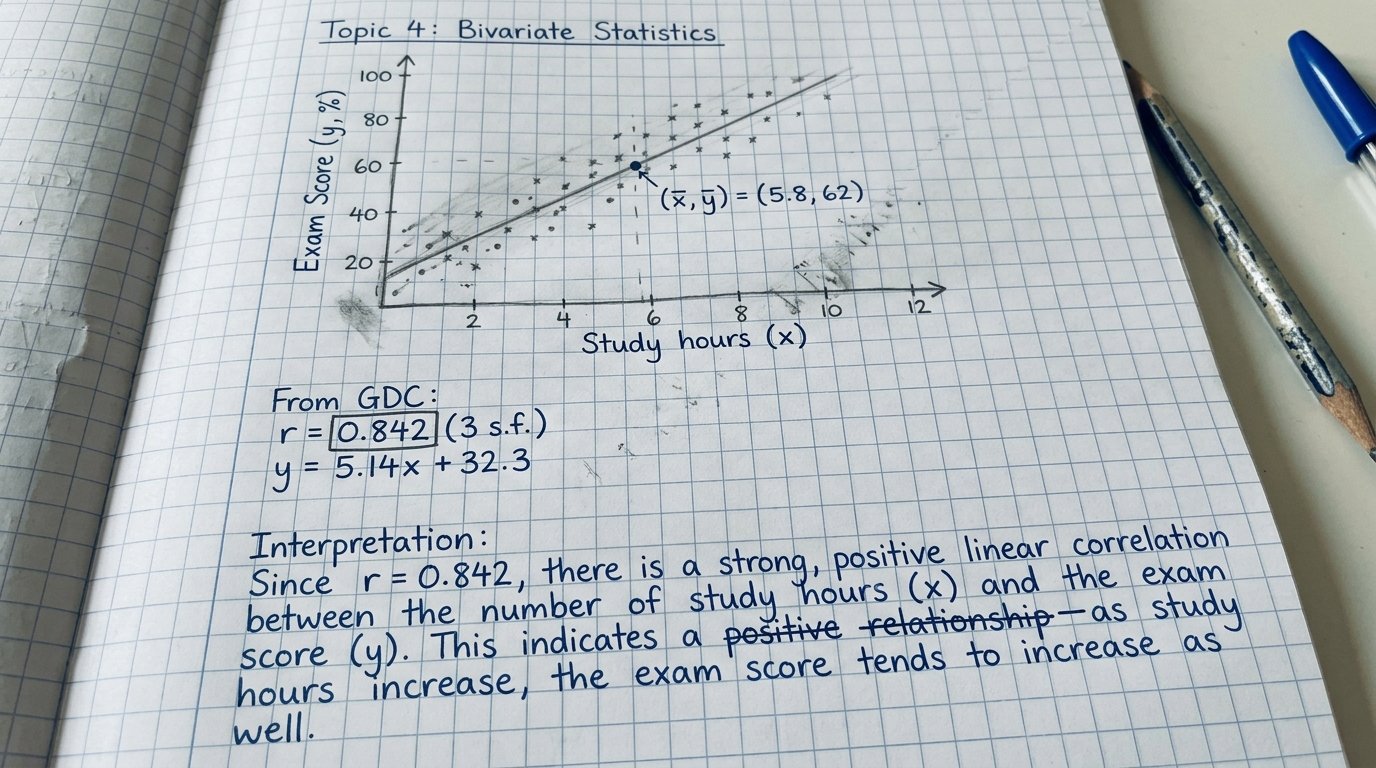
- Statistics: averages, data representation
- Probability: tree diagrams, experiments
Focusing on one category at a time ensures deeper understanding and prevents overwhelm.
Using Past Papers for Practice
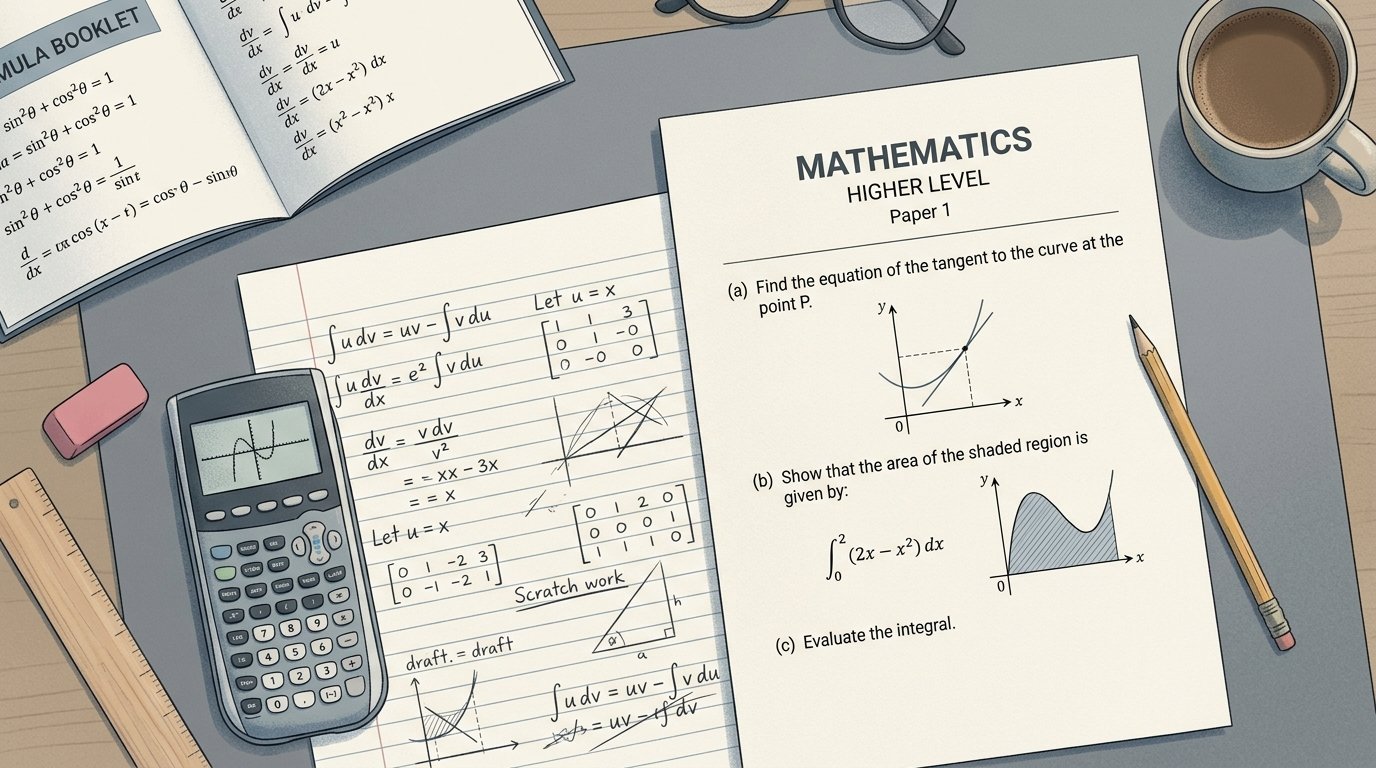
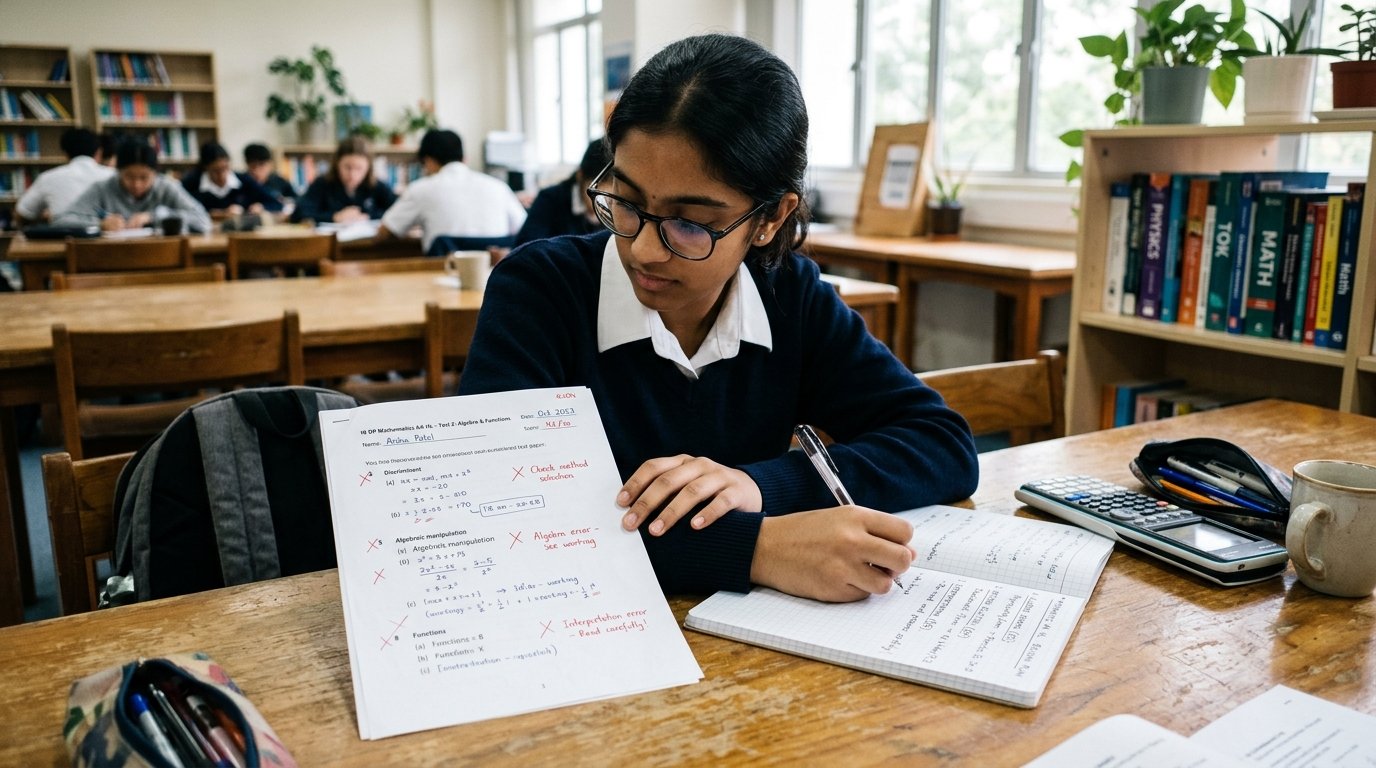
Practicing with past papers is non-negotiable. Attempt papers under timed conditions, mark them using official schemes, and note down repeated mistakes. This will not only highlight weak areas but also familiarize you with exam structure and mark allocation.
Leveraging GCSE Maths Apps and Websites
In addition to textbooks, apps and websites make learning interactive. Top picks include:
- Mathzem – free GCSE maths courses with structured lessons
- BBC Bitesize – topic summaries
- Quizlet – flashcards for formulas
Mixing tech with traditional study methods keeps revision engaging.
Focusing on Weak Areas
Instead of revising only what feels easy, target the tough topics. Use Mathzem’s lessons to revisit difficult concepts step by step. Keep a log of problem areas and review them regularly. Over time, these weak points will turn into strengths.
Group Study vs Solo Study
Both methods have benefits. Solo study allows deep focus, while group study encourages collaboration and peer teaching. A balance of both—studying individually during the week and revising with peers on weekends—often works best.
Effective Note-Making Strategies
Great notes save time in the long run. Try:
- Mind maps for visual learners
- Formula flashcards for quick recall
- Summary sheets for last-minute review
Organized notes make final revision less overwhelming.
Managing Exam Stress During Revision
Stress is natural, but excessive anxiety can hinder performance. Combat it with:
- Adequate sleep
- Short breaks during revision
- Relaxation exercises such as deep breathing
Maintaining a healthy balance keeps your mind sharp and focused.
Common Revision Mistakes to Avoid
Students often fall into these traps:
- Revising passively without practice questions
- Ignoring feedback from teachers
- Procrastinating and cramming last minute
Awareness of these mistakes helps you avoid them.
Last-Minute GCSE Maths Revision Guide
In the final week before exams:
- Review key formulas
- Practice quick-fire questions
- Focus on exam techniques rather than learning new topics
This ensures you walk into the exam hall prepared and confident.
How Mathzem Helps Students Succeed
At Mathzem, we provide free GCSE maths courses covering all exam topics in a clear, student-friendly way. With step-by-step lessons, worked examples, and practice exercises, Mathzem makes revision structured and stress-free. Our resources are specifically designed to match exam board requirements, giving you an edge over traditional revision methods.
Get Our Free Courses
Ready to level up your revision? Explore our free GCSE maths resources at Mathzem and start preparing for exam success today!
FAQs About GCSE Maths Revision
What’s the best way to revise GCSE maths?
The best way is structured revision combining resources like Mathzem, past papers, and effective note-making.
How many weeks should I revise for GCSE maths?
Ideally, start at least 10–12 weeks before the exam, gradually building intensity closer to the date.
Are online GCSE maths courses worth it?
Yes! Platforms like Mathzem provide free, structured courses designed to match exam boards.
Should I revise daily for GCSE maths?
Yes, even short daily sessions are more effective than cramming.
What topics should I prioritize for GCSE maths?
Focus on algebra, geometry, probability, and statistics as they often carry more weight.
Where can I find free GCSE maths resources?
You can access free structured lessons and revision materials on Mathzem.
Conclusion
Revision doesn’t have to be overwhelming. By following this GCSE maths revision guide, using the right tools, and staying consistent, you can approach exams with confidence. Remember, resources like Mathzem’s free GCSE maths courses make your journey smoother, helping you revise smarter, not harder.